
For decades, Newcastle upon Tyne has been viewed as one of the UK's more accessible cities for motorists. Compared with larger urban centres such as London, Manchester and Birmingham, drivers in Newcastle traditionally benefited from relatively straightforward routes, manageable congestion and easy access to surrounding areas.
However, many motorists now feel that driving in Newcastle has become increasingly challenging. From city centre traffic restrictions and Clean Air Zone regulations to ongoing roadworks, parking costs and congestion hotspots, some residents believe the city is becoming less welcoming to drivers.
The question is whether these concerns are simply perception or whether the data suggests Newcastle is genuinely becoming a more difficult city to navigate by car.
Traffic Volumes Continue To Rise.
One of the clearest indicators comes from Department for Transport data, which shows that approximately 1.16 billion vehicle miles were travelled on roads in Newcastle upon Tyne during 2025. Traffic levels have steadily recovered from the pandemic period and are now above many pre-pandemic benchmarks.
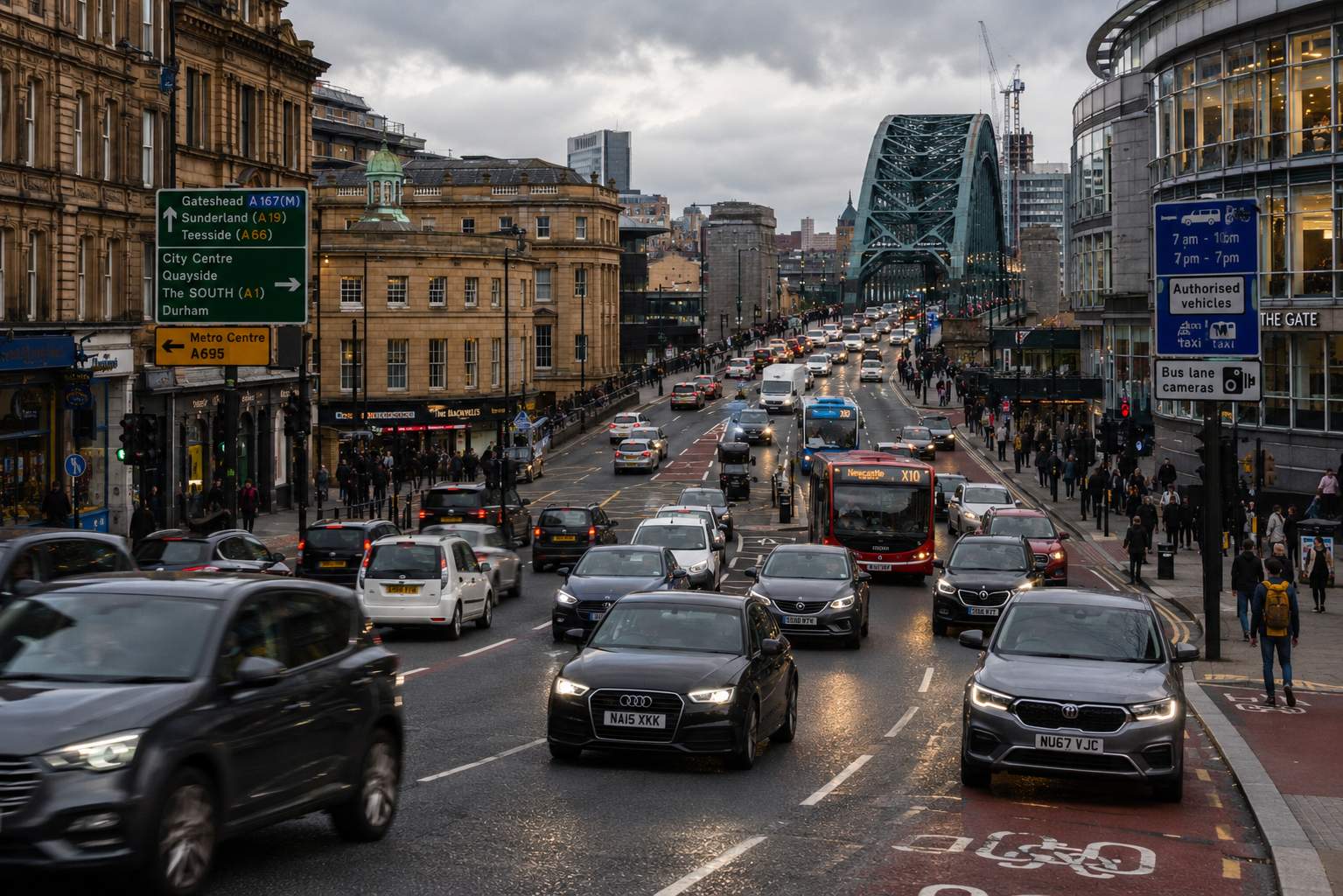
More vehicles on the road inevitably place additional pressure on the network. While Newcastle remains considerably less congested than some major UK cities, commuters regularly report delays around key routes including the Central Motorway, Coast Road, Great North Road, A1 western bypass connections and approaches to the Tyne Bridge.
The challenge is not simply the number of vehicles. Newcastle's road network was designed around travel patterns that have evolved significantly over recent decades. Increased population movement, regional commuting and growing demand for city centre access have all added pressure.
For drivers, this often translates into longer journey times, increased fuel consumption and greater frustration during peak travel periods.
The Impact Of The Clean Air Zone.
The introduction of the Newcastle and Gateshead Clean Air Zone in January 2023 marked one of the biggest changes for motorists in recent years. The scheme covers much of Newcastle city centre and includes routes crossing several key bridges over the River Tyne.
Private cars remain exempt from charges, something many motorists initially misunderstood. However, certain older taxis, vans, buses, coaches and heavy goods vehicles face daily charges if they do not meet required emissions standards. Charges can reach up to £50 per day for some vehicles.
Supporters argue the scheme has improved public health. Data published by Newcastle City Council shows average nitrogen dioxide levels across the city fell by around 9% between 2023 and 2024, with more than 1,000 non-compliant vehicles upgraded through grant support programmes.
Critics, however, argue that restrictions have added complexity for drivers, particularly tradespeople, delivery operators and businesses reliant on older vehicles.
Whether viewed as necessary environmental policy or an added burden, the Clean Air Zone has undeniably changed the driving experience in Newcastle.
Road Layout Changes And Bus Priority Measures.
Many motorists point to city centre road redesigns as another reason driving has become more difficult.
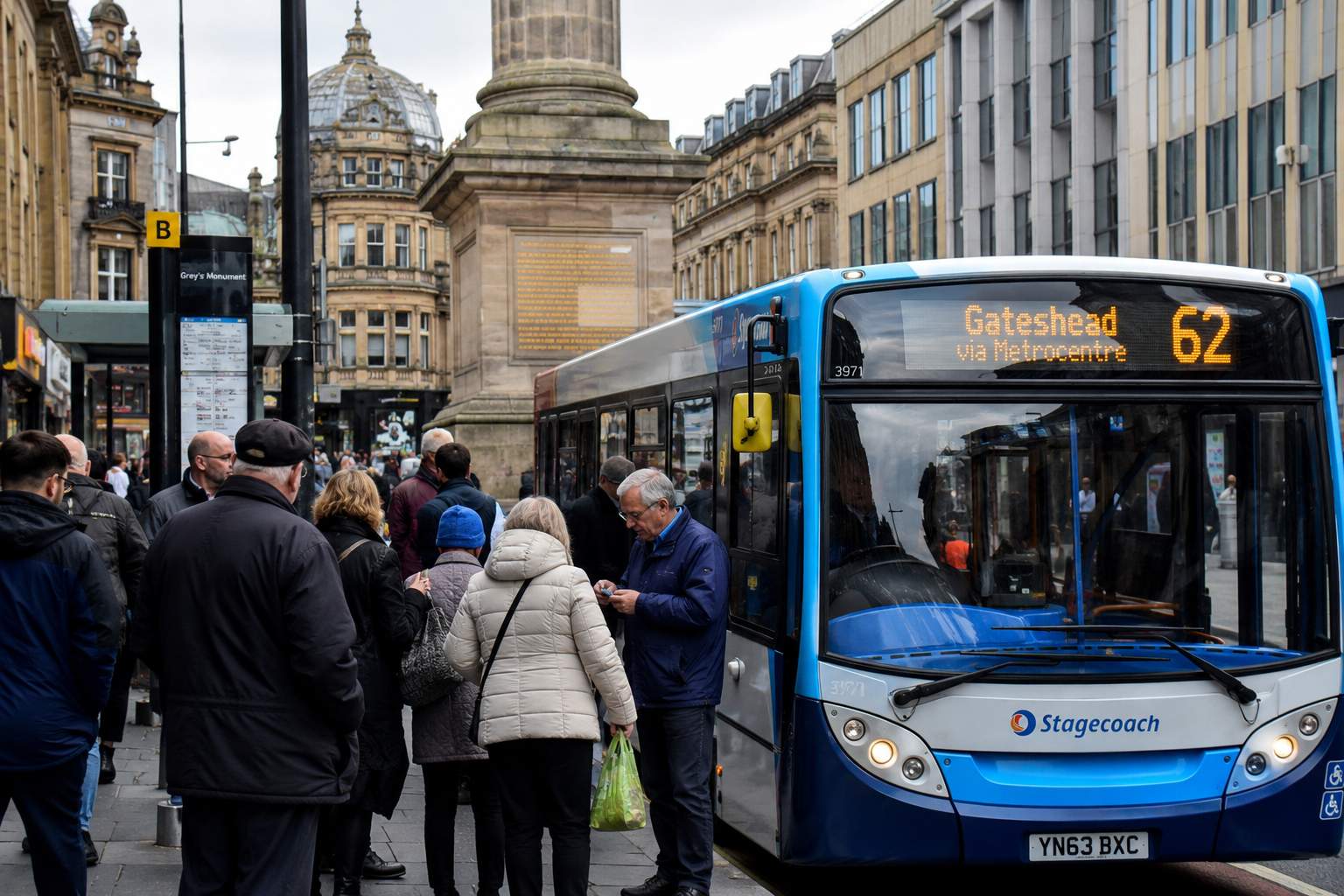
In recent years, Newcastle has invested heavily in sustainable transport infrastructure, including cycling routes, pedestrian-friendly areas and bus priority measures. While these changes are intended to improve public transport efficiency and reduce emissions, some drivers feel they have reduced road capacity.
Bus gates, restricted access zones and altered traffic flows have become increasingly common features of the city centre landscape. Drivers unfamiliar with these changes can find navigation more confusing than in previous years.
The city council argues that encouraging alternative modes of transport is essential for long-term growth and environmental sustainability. However, the transition has not been universally welcomed among motorists who feel road space is gradually being reduced.
Parking Costs Continue To Frustrate Drivers.
Parking remains another major concern for Newcastle motorists.
City centre parking charges vary significantly depending on location, but many regular visitors report that costs have risen noticeably over the past decade.
For workers commuting into the city five days per week, parking expenses can easily reach several thousand pounds annually. Combined with fuel prices, vehicle insurance and maintenance costs, driving is becoming an increasingly expensive option.
The issue extends beyond Newcastle itself. Many suburban residents argue that public transport alternatives do not always offer sufficient convenience, leaving them reliant on private vehicles despite rising costs.
For these drivers, parking fees are viewed as another obstacle rather than an incentive to change behaviour.
Air Quality Improvements Are Delivering Benefits.
While some motorists feel under pressure, there is evidence that road-related policies are delivering measurable environmental benefits.
Road traffic remains the largest contributor to nitrogen dioxide pollution in Newcastle, according to council monitoring reports. However, overall pollution levels have been steadily falling.
The city recorded an average 9% reduction in nitrogen dioxide concentrations during 2024 compared with the previous year. Several monitoring sites showed significant improvements, although a small number of hotspots still exceed legal limits.
For residents living near busy roads, improved air quality represents a major benefit. Research consistently links cleaner air to better respiratory and cardiovascular health outcomes.
The debate therefore centres on balancing environmental improvements against the practical needs of motorists.
The Cost Of Driving Is Rising Nationwide.
Many frustrations attributed to Newcastle are actually part of a wider national trend.
Across the UK, drivers face increasing costs associated with vehicle ownership. Fuel prices remain volatile, insurance premiums have risen sharply in recent years and repair costs have increased due to inflation and more advanced vehicle technology.
National road traffic levels increased by approximately 1.9% between 2024 and 2025, reflecting continued demand for road travel despite economic pressures.
As a result, some of the difficulties Newcastle drivers experience are not unique to the city. They are part of broader challenges facing motorists across Britain.
Crime And Vehicle Security Concerns.
Vehicle security is another issue that influences how drivers view a city.
Crime statistics for Newcastle vary depending on methodology, but several recent datasets indicate overall crime levels remain above the national average. Estimates suggest Newcastle experiences around 110 to 121 crimes per 1,000 residents annually, compared with national averages closer to 67 to 73 per 1,000 in some comparable datasets.
Vehicle crime specifically accounts for around 4% to 5% of reported offences in the city. While this remains a relatively small proportion of total crime, concerns about theft, vandalism and damage influence where motorists choose to park and how safe they feel leaving vehicles unattended.
The reality is that most Newcastle drivers will never experience vehicle crime directly. Nevertheless, concerns about security remain part of the overall driving experience.
Is Newcastle Still A Driver-Friendly City?
The answer largely depends on perspective.
Compared with many major UK cities, Newcastle remains relatively manageable. Drivers are not facing congestion charging schemes for private cars, and journey times generally remain shorter than those experienced in larger metropolitan areas.
However, it is equally clear that driving in Newcastle has become more complex. Increased traffic volumes, environmental regulations, changing road layouts, parking costs and evolving transport policies have altered the experience for motorists.
The city's priorities are also changing. Local authorities increasingly focus on public transport, walking and cycling infrastructure as part of wider environmental goals. While these measures may benefit the city in the long term, some drivers feel their needs are no longer being prioritised.
For now, Newcastle remains a city where driving is entirely practical. Yet compared with a decade ago, many motorists would argue that it requires more planning, more patience and often a bigger budget.
Join The Discussion.
Do you think driving in Newcastle has become harder in recent years, or are the changes improving the city for everyone?
Travel
Are Newcastle Motorists Being Pushed Off The Roads?
Advertisement



Comments (0)
You must be logged in to post comments.
Don't have an account? Register here
No comments yet. Be the first to share your thoughts!