
In the early sixteenth century, the rolling country of north Northumberland was the scene of one of the largest and most terrible battles ever fought between the English and the Scots. The Battle of Flodden was a catastrophic defeat for the Scots, a day of slaughter that claimed the life of their king and much of their nobility. The story of Flodden, sober and tragic though it is, is one of the most significant events in the history of the border country.
A Time of War.
The Battle of Flodden was fought at a time of war between England and Scotland, the two kingdoms that shared the island of Britain and that were often at odds. The conflict arose from the complex politics of the age, with Scotland bound by alliance to France and England engaged in war on the continent. The Scottish king led a great army into England, invading the northern country while the English king was campaigning abroad. This invasion brought the Scottish army into Northumberland, where it would meet an English force hastily gathered to oppose it. The clash of these two great armies, in the border country, would result in one of the most terrible battles in the history of the two kingdoms.
The Gathering Armies.
The two armies that met at Flodden were among the largest ever assembled for a battle between England and Scotland. The Scottish king had led a great host into England, a powerful army that included many of the nobility of Scotland. To oppose them, an English army was gathered under an experienced commander, drawing on the strength of the northern counties. The two armies, great in size and formidable in strength, came together in the country of north Northumberland, where the fate of the campaign would be decided. The scale of the forces assembled reflected the importance of the conflict and the determination of both sides, and it ensured that the battle, when it came, would be on a tremendous scale.
A Terrible Battle.
The battle that was fought at Flodden was terrible in its intensity and its cost. The two armies clashed in a great and bloody struggle, fought with the weapons of the age in a contest of extraordinary ferocity. The fighting was hard and prolonged, and it resulted in slaughter on a great scale. The outcome of the battle turned on the tactics and weapons of the two sides, and it ended in a catastrophic defeat for the Scots. The battle was one of the bloodiest ever fought between the two kingdoms, a day of carnage that left the field strewn with the dead. The terrible nature of the battle, and the scale of the slaughter, made Flodden one of the most dreadful days in the history of the border country.
A King and His Nobles.
The defeat at Flodden was made all the more catastrophic for Scotland by the death of the king and a great part of the nobility. The Scottish king himself was killed in the battle, along with many of the leading men of the kingdom, in a loss that struck at the very heart of Scotland. The death of so many of the nobility, the leaders of Scottish society, was a calamity that was felt throughout the kingdom and that left a deep and lasting scar. The loss of the king and his nobles made Flodden not merely a military defeat but a national catastrophe for Scotland, a day on which the kingdom lost a great part of its leadership. The scale of the loss was almost without parallel.
A Nation's Grief.
The defeat at Flodden brought profound grief to Scotland, a sorrow that was felt across the kingdom and that has been remembered ever since. The loss of so many men, including the king and the flower of the nobility, was mourned throughout the land, and the grief of the nation found expression in lament and remembrance. The sorrow of Flodden was preserved in song and memory, and the battle came to be remembered as a day of national tragedy. The grief that the defeat provoked, and the way it has been remembered through the centuries, reflect the magnitude of the catastrophe and the depth of the loss. Flodden remains a byword for tragedy and grief, a day mourned in Scotland for centuries.
A Battle Remembered.
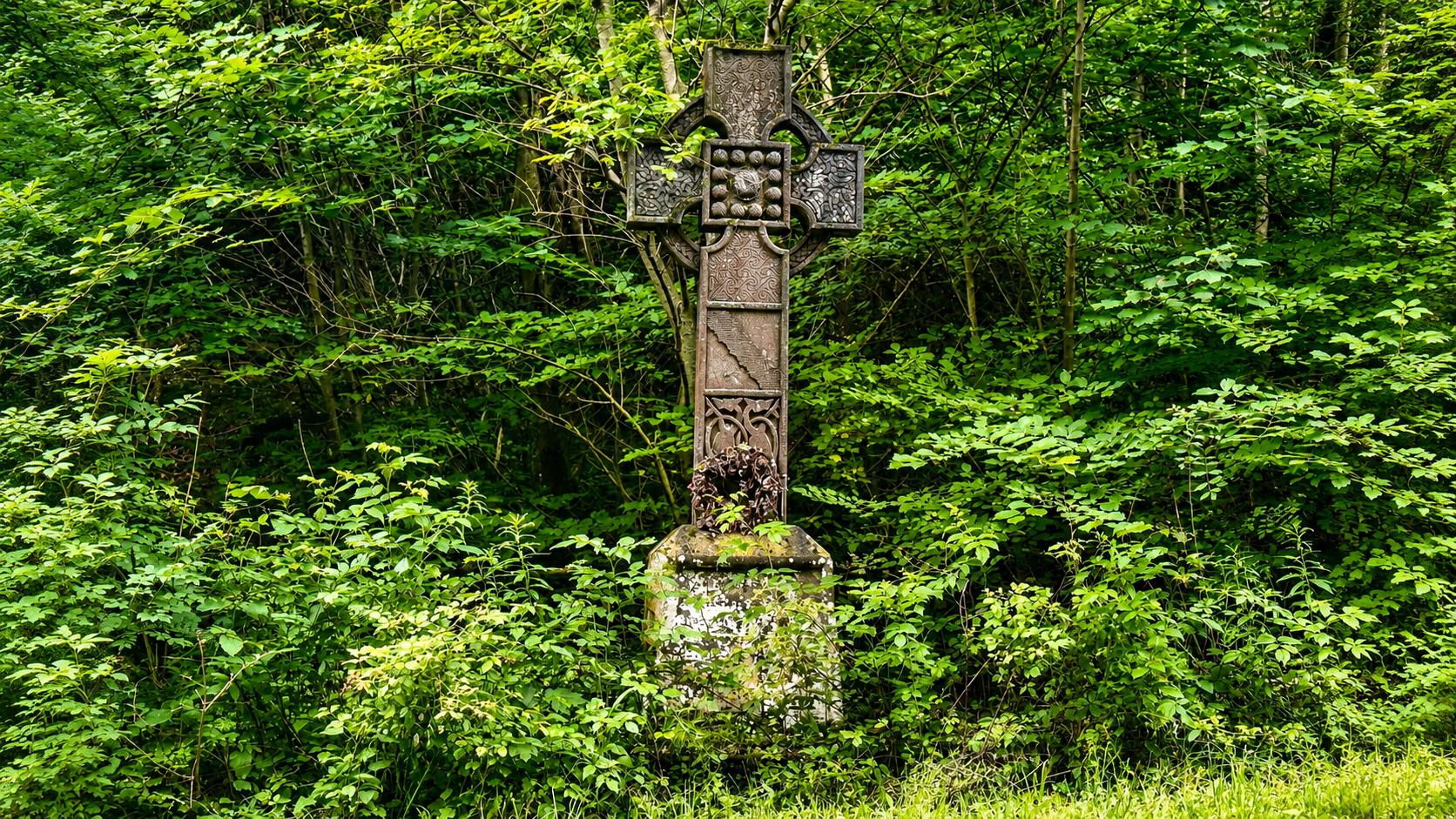
The Battle of Flodden has been remembered through the centuries as one of the most significant and tragic events in the history of the border country. The battle is commemorated on the field where it was fought, and its memory has been kept alive in history, song and tradition. The remembrance of Flodden reflects the importance of the battle and the magnitude of the events that took place there, a day that shaped the history of the two kingdoms and that left a lasting mark on the border country. The battle is remembered with sorrow and with respect, as a day of terrible loss and great historical significance. The memory of Flodden endures, a reminder of the tragic events that unfolded in the Northumberland country.
A Sombre Heritage.
The Battle of Flodden is a sombre but significant part of the heritage of the border country, a day of terrible battle and tragic loss that shaped the history of England and Scotland. The clash of the great armies, the terrible slaughter, the death of the king and the nobility and the grief that followed combine to form a story of profound importance and sorrow. Though Flodden was a day of tragedy, it is an event of great historical significance, one that left a deep mark on the two kingdoms and on the border country where it was fought. The heritage of Flodden connects us to a momentous and tragic chapter in the history of the region, a sombre reminder of the conflicts of the past.
The Memory of the Fallen.
The Battle of Flodden has been remembered through the centuries not with triumph but with sorrow, for the magnitude of the loss it inflicted made it a byword for tragedy and grief, and the memory of the fallen has been kept alive in song, tradition and remembrance. The terrible loss of life at Flodden, including the death of the king and a great part of the nobility of Scotland, was a catastrophe that was mourned throughout the land and that left a deep and lasting scar. The grief of the nation found expression in lament, and the memory of the fallen was preserved in song and tradition, keeping alive the sorrow of the battle through the centuries.
This remembrance of Flodden, marked by sorrow rather than triumph, reflects the magnitude of the tragedy and the depth of the loss, for the battle was felt not as a glorious victory but as a terrible calamity. The keeping of the memory of the fallen, in song, tradition and commemoration, has ensured that the tragedy of Flodden has not been forgotten, and that those who fell are remembered with respect and sorrow. The battlefield itself is a place of remembrance, where the memory of the terrible events is honoured and where those who lost their lives are commemorated.
The remembrance of Flodden reminds us of the terrible human cost of the conflicts of the past and of the grief that war and battle have brought to communities and nations. To remember Flodden is to honour the memory of the fallen and to reflect on the tragedy of the loss, a sober act of remembrance that keeps alive the memory of one of the most terrible days in the history of the border country. The memory of the fallen of Flodden, preserved through the centuries in sorrow and respect, is a poignant reminder of the cost of conflict and a solemn part of the heritage of the border country, honouring those who lost their lives on that terrible day.
Share your thoughts.
The Battle of Flodden was a catastrophic defeat for the Scots, claiming the life of their king and much of their nobility.
Have you visited the quiet Northumberland field where this great battle was fought?
Newcastle History
The Flowers of the Forest: The Battle of Flodden
The story of the Battle of Flodden, one of the largest and most terrible battles between England and Scotland, fought in the Northumberland country in 1513.
Advertisement

Comments (0)
You must be logged in to post comments.
Don't have an account? Register here
No comments yet. Be the first to share your thoughts!