
For decades, Britain's seafood industry faced a difficult balancing act. While the UK is surrounded by some of the richest fishing waters in Europe, much of the seafood caught by British vessels was exported abroad, while supermarkets filled shelves with imported fish. Today, that picture is beginning to change.
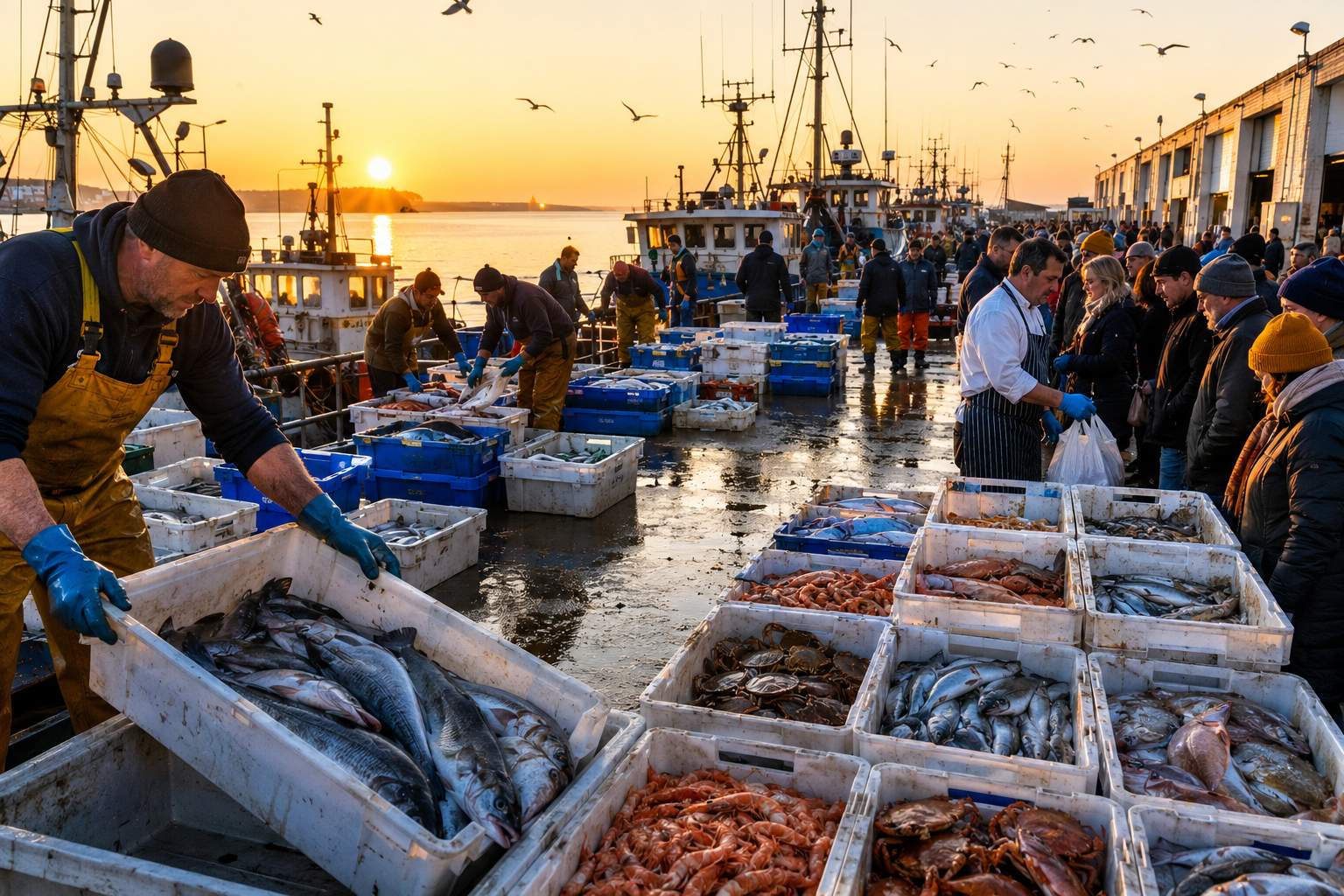
From Newcastle restaurants showcasing North Sea catches to growing consumer interest in sustainable and locally sourced food, British seafood is experiencing a remarkable revival. Across the North East, fishing communities, seafood suppliers and independent businesses are benefiting from renewed appreciation for home-grown seafood.
A Growing Appetite for British Seafood.
Consumers are becoming increasingly interested in where their food comes from. The rise of local food movements, sustainability concerns and support for British businesses has encouraged many households to look closer to home when buying seafood.
According to the latest UK Sea Fisheries Statistics, British fishing vessels landed approximately 745,000 tonnes of seafood worth £1.16 billion in 2024, representing increases in both volume and value compared with the previous year.
Meanwhile, seafood exports reached around £2 billion in value during 2024, highlighting the continued strength of British seafood on the international stage.
Industry experts believe this renewed momentum is being supported by consumers seeking fresher products with lower food miles and greater transparency about sourcing.
Newcastle's Connection to the North Sea.
The North East has a long and proud maritime history. Communities from North Shields to Amble and Blyth have relied on fishing for generations, and that heritage remains visible today.
North Shields Fish Quay remains one of the most important seafood hubs in England, supplying restaurants, fishmongers and wholesalers throughout the region. Local catches regularly include haddock, cod, monkfish, plaice, crab, lobster and langoustines harvested from North Sea waters.
In Newcastle, chefs are increasingly highlighting regional seafood on menus. Diners are becoming more adventurous and willing to try species that were once overlooked, helping create demand for a broader range of locally landed fish.
This trend is helping fishing businesses maximise the value of their catches while reducing dependence on imported alternatives.
Sustainability Is Driving Consumer Choices.
One of the biggest factors behind the seafood comeback is sustainability.
Modern consumers are far more aware of environmental issues than previous generations. Many are actively seeking seafood that has been responsibly sourced and harvested using sustainable fishing methods.
Research has shown that more than 80 percent of seafood consumed in the UK is imported, despite the abundance of fish available in British waters. At the same time, growing numbers of shoppers say they are open to purchasing local alternatives when they are affordable and readily available.
The shift towards locally sourced seafood can help reduce transport emissions, support coastal economies and encourage healthier marine management practices.
For North East fishing communities, this change in consumer behaviour presents a significant opportunity.
The Economic Impact on Coastal Communities.
The seafood industry's revival is not only good news for consumers. It is also creating economic benefits across coastal Britain.
The UK seafood processing sector supports more than 17,000 jobs across around 340 processing sites, while the wider fishing and seafood supply chain contributes billions to the economy each year.
In the North East, fishing businesses support a wide network of workers, including skippers, deckhands, processors, transport operators, market traders and hospitality staff.
As demand for local seafood grows, more money stays within regional economies, helping sustain traditional industries that have faced challenges from changing regulations, international competition and fluctuating fuel costs.
Why More Britons Are Choosing Local Fish.
Consumer tastes are evolving.
For years, British seafood consumption was heavily concentrated around a small number of imported favourites such as cod, salmon, tuna and prawns. Today, retailers, fishmongers and restaurants are encouraging customers to explore alternatives including herring, mackerel, sardines, hake and mussels.
Many of these species are plentiful in British waters and often offer excellent nutritional value.
Health-conscious consumers are particularly attracted to seafood's high protein content and omega-3 fatty acids, which are linked to heart and brain health. With more people seeking healthier diets, seafood is benefiting from changing eating habits.
The result is a growing appreciation for British catches that were once largely overlooked by domestic buyers.
Technology and Modern Fishing Are Supporting Growth.
The modern fishing industry looks very different from previous generations.
Advances in vessel technology, refrigeration, logistics and digital fish auctions have improved efficiency across the supply chain. These improvements help seafood reach consumers more quickly while maintaining freshness and quality.
At the same time, better stock monitoring and fisheries management are helping ensure long-term sustainability for many commercially important species.
Combined with growing public interest in supporting British food producers, these developments are creating favourable conditions for continued growth.
A Proud Industry Looking Towards the Future.
The comeback of British seafood reflects more than changing consumer preferences. It highlights a renewed confidence in an industry that remains deeply connected to Britain's coastal identity.
For Newcastle and the wider North East, seafood is more than just a meal. It is part of the region's history, economy and culture. As consumers increasingly choose local catches and businesses continue investing in sustainable practices, the future looks promising for one of Britain's oldest industries.
The next time seafood appears on a menu in Newcastle, there is a growing chance it began its journey just a few miles away in the waters of the North Sea.
Start the discussion!
What seafood do you think deserves more attention in Newcastle and the North East?
Business News
British Seafood Is Back - And the North East Is Leading the Way
Advertisement





Comments (0)
You must be logged in to post comments.
Don't have an account? Register here
No comments yet. Be the first to share your thoughts!