
The electricity that powers our homes, industries and cities is so much a part of modern life that we rarely stop to think about how it reaches us. The system that delivers it, a vast interconnected network, had to be invented, and a remarkable amount of that pioneering work took place in the North East of England. At the heart of the story is a Tyneside engineer whose vision helped to electrify Britain and who earned the affectionate title of the Grid King.
A Tyneside Engineer.
Charles Merz was born in Gateshead in 1874 into a family with strong scientific and industrial connections. He studied at Armstrong College in Newcastle and trained as an electrical engineer at a time when electricity was a new and exciting frontier. After gaining experience elsewhere, he returned to Tyneside and established a consulting firm that would become the renowned partnership of Merz and McLellan. Merz possessed not only technical brilliance but also a grand vision of how electricity might be generated and distributed on a large scale, a vision that was well ahead of its time.
The Neptune Bank Power Station.
Merz's first major project was the Neptune Bank Power Station at Wallsend, near Newcastle, which opened in 1901. This was no ordinary power station. It was the first in Britain to generate three-phase electricity, the system that underpins modern power distribution, and it was the first in the world to supply electricity for industrial purposes rather than merely for lighting. The station was opened by the eminent scientist Lord Kelvin, a recognition of its importance, and it marked a decisive step towards the electricity supply systems we rely on today.
A System, Not Just a Station.
What set Merz's thinking apart was his understanding that the future lay not in isolated power stations but in large, interconnected systems. Rather than building many small, separate plants, he envisaged generating electricity efficiently at large stations and distributing it widely through a network at high voltage. He set about building just such an integrated supply system across the North East, linking power stations and consumers in a way that maximised efficiency and reliability. This was a genuinely pioneering approach, and the North East became a model of how electricity could be supplied on a regional scale.
The Model for the National Grid.
The integrated system that Merz created in the North East became the template for the rest of the country. When Britain came to build its National Grid, the interconnected network that supplies the whole nation with electricity, it drew directly on the principles that had been pioneered on Tyneside. Merz advised Parliament on the need to unify the bewildering variety of voltages and frequencies that different local systems used, arguing for the standardisation that a national network required. His influence on the shape of Britain's electricity supply was profound and lasting.
Working with Tyneside Genius.
The North East was fortunate in this era to be home to more than one great pioneer of power. The Neptune Bank station was soon fitted with turbo-alternators built by another Tyneside genius, whose steam turbines were the largest of their kind then made and which transformed the generation of electricity. The combination of advanced generating machinery and Merz's visionary approach to distribution made the region a powerhouse of electrical innovation. Tyneside was not only generating electricity but working out how the modern electrified world should be organised.
Electrifying the Railways.
Merz's expertise extended beyond power stations to the uses of electricity, including transport. He advised on the electrification of the local railway lines on Tyneside, which were among the earliest electric suburban railways in Britain when they were switched on in the early years of the twentieth century. This pioneering electrification showed how the new power could transform everyday travel, and it was another example of the North East leading the way in putting electricity to practical use. The region was demonstrating the full possibilities of the electrical age.
A Lasting Legacy.
The work of Charles Merz and his fellow North East pioneers shaped the modern world in ways that are easy to overlook precisely because they have become so fundamental. Every time a light is switched on or a machine is powered, the legacy of the systems pioneered on Tyneside is at work. The North East helped to invent not just electricity supply but the very idea of an interconnected grid, a concept now used across the globe. The Grid King's vision, born on the banks of the Tyne, continues to light up the world to this day.
Lighting Up Everyday Life.
The pioneering work on electricity supply in the North East had consequences that reached into every home and workplace across the region and, in time, the world. Before reliable electricity supply, homes were lit by gas, oil or candles, and the labour of daily life was carried out largely by hand or with the help of steam.
The arrival of widely available electricity transformed all of this, bringing bright, clean light at the flick of a switch, powering machines in factories and workshops, and eventually enabling the countless electrical appliances and devices that we now take for granted.
The systems pioneered on Tyneside helped to make this transformation possible, demonstrating how electricity could be generated efficiently and delivered reliably to large numbers of consumers. In doing so, the region played a part in one of the most far-reaching changes in human history, the electrification of everyday life.
The convenience, comfort and productivity that electricity has brought are so woven into modern existence that it is hard to imagine the world without them. That the North East was at the forefront of building the systems that made it all possible is a source of genuine and lasting pride, a reminder that the region helped to wire the modern world for the age of electricity in which we all now live.
Have your say.
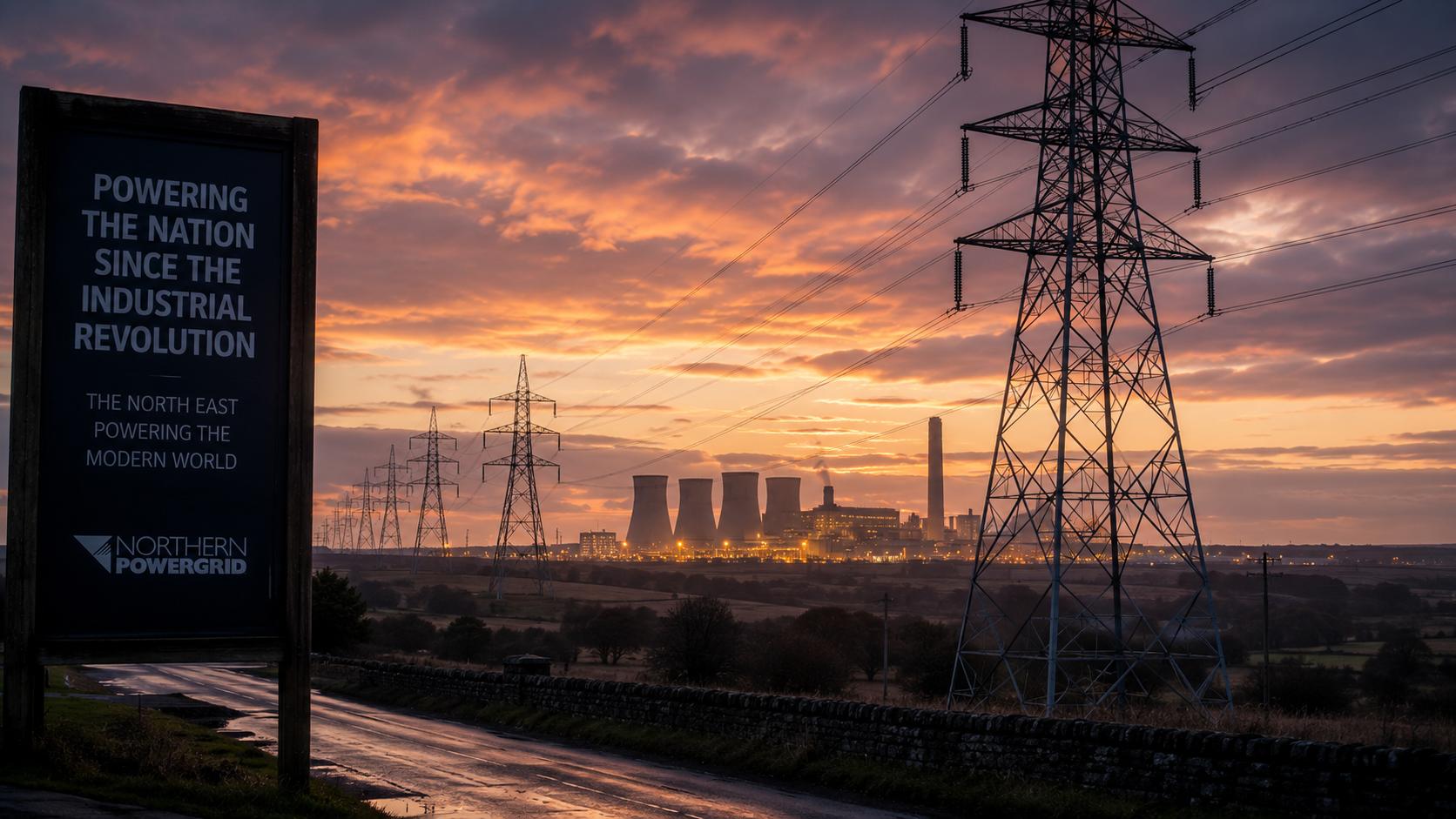
The interconnected electricity grid the world relies on was pioneered here in the North East.
Are you surprised that the modern electricity grid has its roots on the banks of the Tyne?
Tech News
The Grid King: How the North East Powered the Modern World
How Tyneside engineer Charles Merz and the Neptune Bank power station pioneered the electricity supply that became the model for Britain's National Grid.
Advertisement





Comments (0)
You must be logged in to post comments.
Don't have an account? Register here
No comments yet. Be the first to share your thoughts!