
Of all the achievements that have improved the health of the people, few have been more important, or more taken for granted, than the provision of clean water. The story of how the towns and cities of the North East came to be supplied with clean, safe water is a remarkable tale of engineering, enterprise and public health, one that transformed the lives and health of the population. It is a story that deserves to be remembered, for clean water has saved more lives than almost any medicine.
The Problem of Water.
In the days before a proper water supply, the towns and cities depended on wells, rivers and other sources that were often contaminated and unreliable. As the towns grew during the age of industry, the problem of providing enough clean water became acute, for the old sources could not meet the needs of the swelling population, and the water they provided was frequently dirty and dangerous. Contaminated water was a major cause of disease, spreading illnesses that brought suffering and death to the crowded towns. The provision of a clean and reliable supply of water became one of the most pressing challenges facing the growing communities of the region.
The Coming of the Water Companies.
The challenge of supplying water was met by the establishment of water companies and undertakings, which set about providing the towns with a proper supply. These enterprises undertook the great task of bringing water to the towns, building the infrastructure needed to collect, store and distribute it. The development of organised water supply was a major undertaking, requiring investment, engineering skill and organisation, and it transformed the provision of water in the region. The water companies and undertakings brought a new reliability and quality to the supply of water, laying the foundations for the clean and abundant supply that we enjoy today. Their work was a vital contribution to the health and development of the region.
Building the Reservoirs.
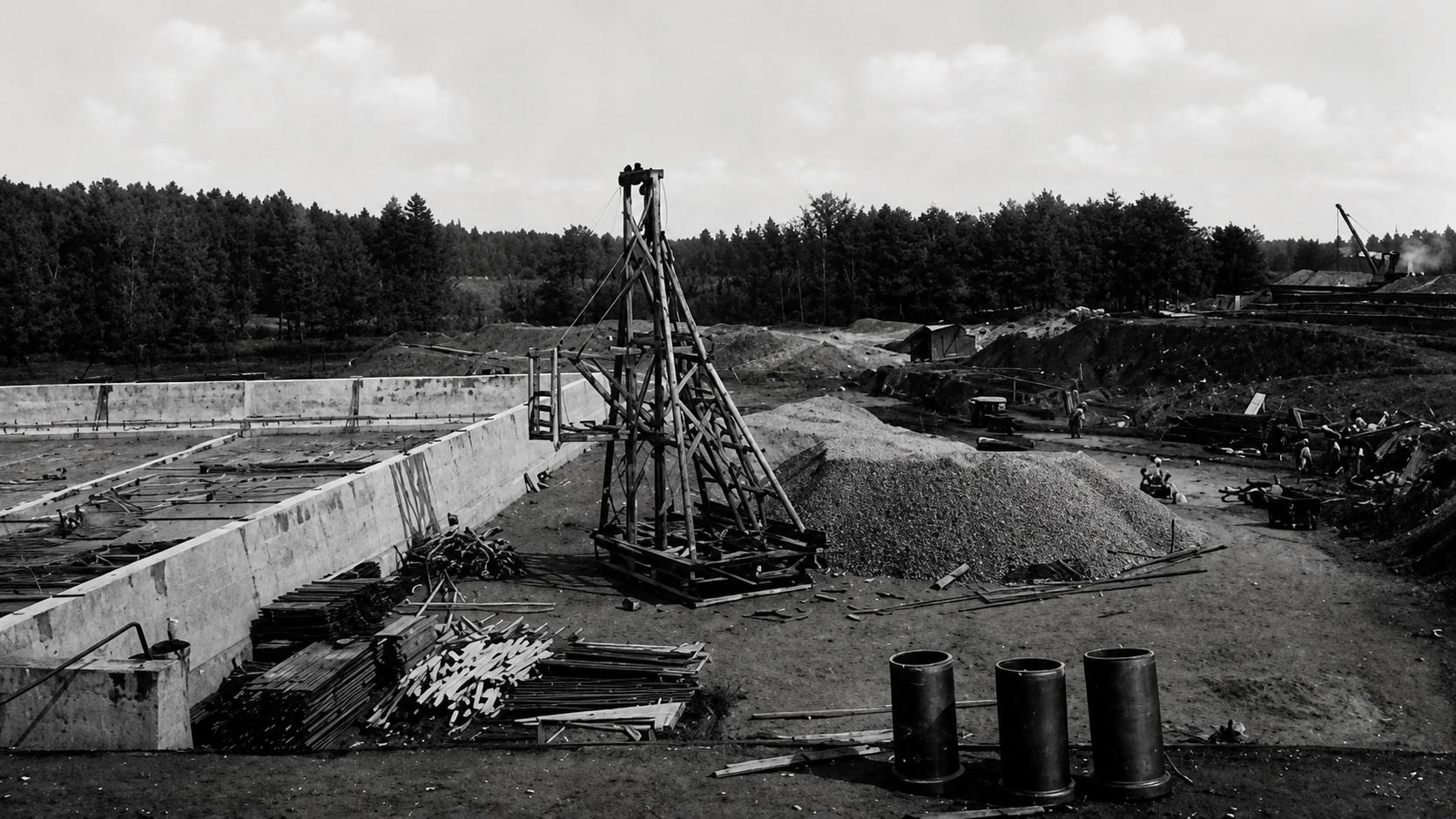
A key part of the provision of water was the building of reservoirs to store the great quantities needed to supply the towns. These reservoirs, often built in the hills and valleys of the surrounding countryside, collected and stored water, which was then carried to the towns through pipes and aqueducts. The construction of the reservoirs was a great feat of engineering, transforming the landscape and creating the means to store the vast amounts of water required. The reservoirs ensured a reliable supply even in times of drought, and they became an essential part of the system that brought water to the people. These great works of engineering were among the most important achievements of the age.
Carrying the Water.
Bringing the water from its sources to the towns required an extensive system of pipes, aqueducts and other works. The water collected in the reservoirs had to be carried, sometimes over considerable distances, to the towns where it was needed, and then distributed through the streets and into the homes of the people. The construction of this network of pipes and conduits was an enormous undertaking, requiring great engineering skill and effort. The system that resulted carried clean water from the hills to the heart of the towns, bringing it within reach of the population. The development of this infrastructure was a remarkable achievement, creating the means to supply water on the scale required by the growing towns.
Clean Water for All.
The great achievement of the water supply was to bring clean, safe water within reach of all the people. The provision of piped water to homes transformed daily life and dramatically improved health, removing the dangers of contaminated water and providing a clean and reliable supply for drinking, washing and sanitation. This was a benefit of incalculable value, for clean water is essential to health and its provision did more to prevent disease than almost any other measure. The bringing of clean water to the people was a triumph of public health and engineering, and it improved the lives and health of the population beyond measure. It was a benefit shared by all.
A Foundation of Health.
The provision of clean water laid one of the foundations of public health, on which the health of the population still depends. Clean water is essential to the prevention of disease, and its provision was among the most important of all the measures that improved the health of the people. The clean and abundant water that we enjoy today, and largely take for granted, is the legacy of the great works of the past, of the reservoirs, pipes and waterworks that brought water to the towns. This foundation of health, established through the efforts and engineering of earlier generations, continues to protect and sustain the health of the population, a benefit of enduring and incalculable value.
An Unsung Achievement.
The provision of clean water to the towns and cities of the North East is one of the great unsung achievements in the history of health. The building of the reservoirs, the laying of the pipes and the development of the water supply transformed the health of the population, preventing disease and saving countless lives. Though we take it for granted, the clean water that flows from our taps is the product of great works of engineering and enterprise, and it has done more to protect our health than almost any other achievement. The story of how the region came to be supplied with clean water deserves to be remembered and celebrated, for it is a triumph of public health that benefits us all every single day.
The Hidden Infrastructure of Health.
The systems that bring clean water to our homes form a hidden infrastructure of health, largely unseen and taken for granted, yet utterly fundamental to the wellbeing of the population. Beneath our streets and across our countryside lies a vast network of reservoirs, pipes, pumping stations and treatment works, the product of generations of engineering and investment, which delivers clean water to every home. This infrastructure operates quietly and invisibly, and most people give little thought to the remarkable system that brings water to their taps. Yet this hidden infrastructure is one of the foundations of public health, providing the clean water that is essential to the prevention of disease and the maintenance of health. The provision of clean water does more to protect health than almost any medical intervention, preventing the waterborne diseases that once brought suffering and death to the population. The maintenance and development of this infrastructure is a continuing task, requiring ongoing investment and care to ensure that the supply of clean water is sustained. The hidden infrastructure of water supply is a remarkable achievement and a vital foundation of health, and it deserves greater appreciation than it usually receives. In taking our clean water for granted, we overlook one of the great achievements of public health and one of the essential foundations of our wellbeing. The reservoirs, pipes and waterworks that bring clean water to our homes are a hidden but vital infrastructure, the product of generations of effort and the foundation of the health that we enjoy. To appreciate the journey that our water makes, and the infrastructure that delivers it, is to recognise one of the great unsung achievements that protect and sustain our health every day, an achievement on which our wellbeing fundamentally depends.
Join the conversation.
The provision of clean water transformed the health of the region and has saved countless lives.
Do you ever stop to think about the journey your tap water has made?
Health News
Water for the City: The Story of a Clean Supply
How the towns of the North East came to be supplied with clean water, through the reservoirs and waterworks that transformed public health.
Advertisement





Comments (0)
You must be logged in to post comments.
Don't have an account? Register here
No comments yet. Be the first to share your thoughts!