
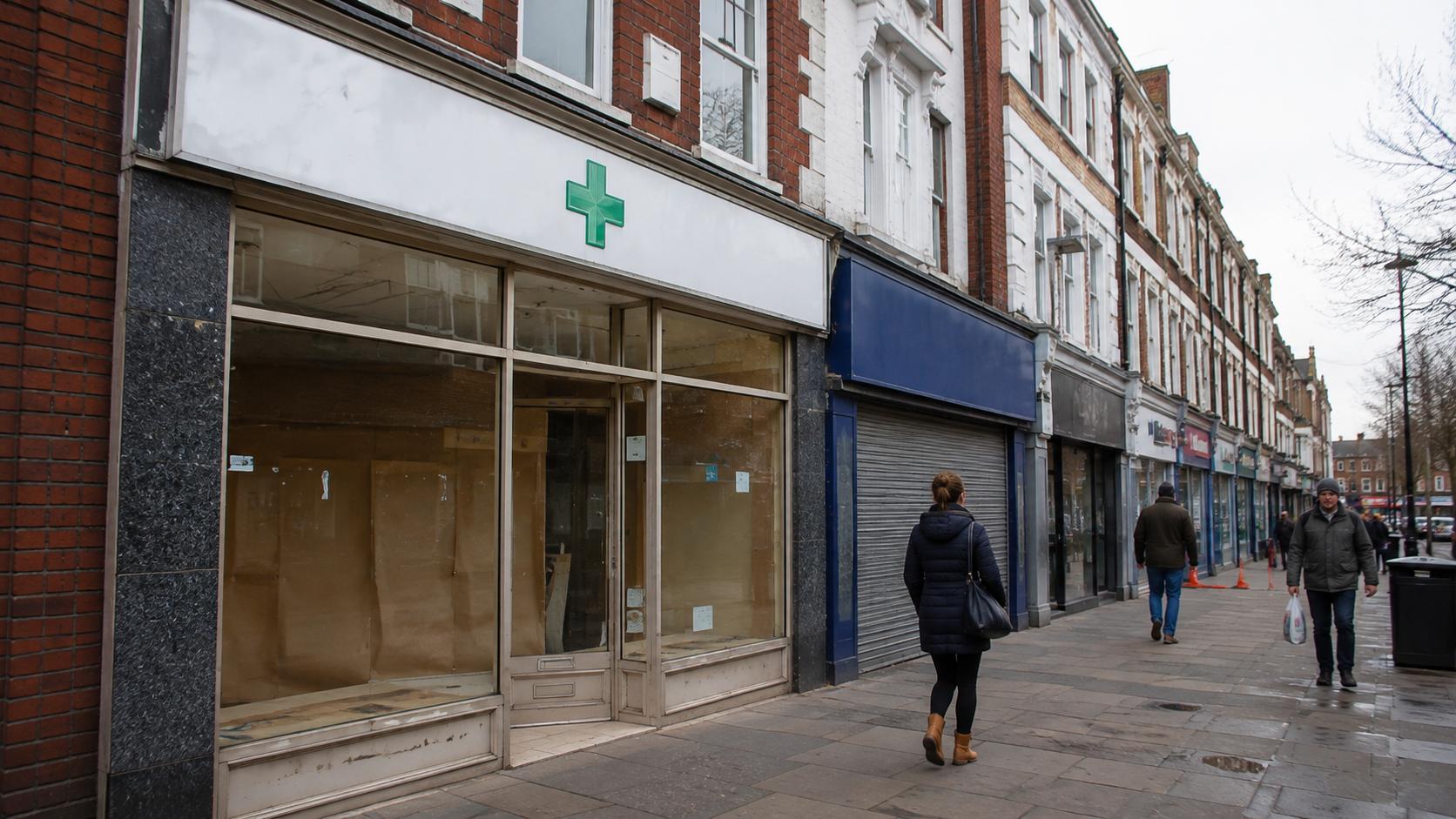
The local chemist has long been one of the most accessible parts of the health service, a place to collect a prescription, seek advice or get help with a minor ailment without an appointment. Yet community pharmacies are under severe pressure, with hundreds closing their doors, even as they are being asked to take on a bigger role in caring for the nation's health.
A Wave of Closures.
The number of community pharmacies has been falling steadily. Over the past decade, more than a thousand pharmacies have closed across England, leaving notably fewer than there were a decade ago, a decline of around a tenth.
These closures have not fallen evenly, with a disproportionate share occurring in the most deprived communities, precisely where accessible healthcare is often needed most. The loss of a local pharmacy can leave residents, particularly older or less mobile people, without easy access to a vital service.
The Funding Squeeze.
Behind the closures lies a deep funding squeeze. A decade of real-terms cuts to pharmacy funding, combined with rising operating costs, has left many pharmacy businesses struggling to survive, with an independent analysis finding that the cost of providing pharmacy services has far exceeded the funding available.
The annual shortfall facing each pharmacy has grown substantially, leaving many fighting to stay afloat. Inadequate funding, rising costs and difficulty recruiting and retaining pharmacists have combined to drive the wave of closures.
Lost Hours, Lost Access.
The impact is felt not only in outright closures but in reduced opening hours, as struggling pharmacies cut back the times they are open. Together, closures and reduced hours have stripped away millions of hours of pharmacy access each year.
Staffing shortages compound the problem, with many pharmacies reporting difficulty recruiting permanent staff, longer waiting times for patients and a reduced ability to offer advice and services. The accessibility that makes community pharmacy so valuable is being eroded.
A Bigger Role to Play.
The pressures on pharmacies come at a moment when they are being asked to do more. A scheme known as Pharmacy First has expanded the role of community pharmacists, allowing them to assess and treat a number of common conditions and to supply certain prescription medicines without the need to see a doctor.
This is designed to make care more convenient for patients and to ease the pressure on GP surgeries, with the potential to free up many millions of GP appointments. It reflects a wider ambition to shift more care into the community, with pharmacies playing a central part.
A Tension at the Heart.
There is, however, a tension at the heart of this approach. Asking community pharmacies to take on a greater role in delivering care depends on having a thriving network of pharmacies to deliver it, yet that very network is shrinking under financial pressure.
Expanding the role of pharmacy while pharmacies are closing risks asking more of a sector that is struggling to survive. Realising the ambition for community pharmacy depends on first putting it on a sustainable footing.
The Region's Pharmacies.
For the North East, with its significant areas of deprivation and its health challenges, accessible community pharmacy is especially valuable, and the loss of pharmacies in deprived areas is a particular concern. Local pharmacies are often a trusted and convenient first point of contact with the health service, especially for those who find it hardest to access other care.
Protecting and supporting the region's pharmacies matters for the communities that rely on them. Their accessibility makes them a vital part of the health service in the region.
Steps Towards Stability.
Recognising the crisis, a funding deal has been agreed that increases the money available to community pharmacy, described as a record uplift and a first step towards stabilising the sector, alongside the writing-off of some historic debt. While welcomed as a move in the right direction, it has been acknowledged that this still falls short of the full scale of the funding gap.
Putting community pharmacy on a genuinely sustainable footing, so that it can survive and take on the expanded role envisaged for it, will require sustained commitment. The recent steps are a start, but the sector remains under real pressure.
The Health Hub on the High Street.
The community pharmacy is one of the most accessible and trusted parts of the health service, yet the wave of closures and the funding squeeze threaten this valuable resource, even as pharmacies are asked to take on a greater role in the nation's care. The loss of pharmacies, particularly in the communities that need them most, is a serious concern.
Securing the future of community pharmacy, so that the health hub on the high street can continue to serve its community, is an important challenge. For a service that offers care without an appointment, close to where people live, it is one well worth meeting.
The Front Door to the NHS.
Community pharmacies have often been described as the front door to the health service, and the phrase captures something important about the role they play and why their decline matters so much. Unlike most other parts of the health service, a pharmacy can be visited without an appointment, without a referral and often without even registering, making it one of the most accessible points of contact with healthcare that exists.
For many people, particularly those who find it hardest to access other services, the pharmacy is the first and sometimes only place they turn for health advice, for help with a minor ailment, or for support in managing a long-term condition. Pharmacists are highly trained healthcare professionals, capable of offering far more than simply dispensing medicines, and the trust and familiarity that local pharmacies build with their communities make them uniquely placed to provide accessible, convenient care.
This accessibility is precisely why the loss of pharmacies, particularly in deprived communities where the need is greatest, is so damaging, removing a vital and trusted point of access to healthcare from the people who most rely on it. It is also why the ambition to expand the role of community pharmacy, asking pharmacists to do more to ease the pressure on other parts of the health service, makes such sense in principle, since a thriving network of accessible pharmacies could take real pressure off GPs and other services while providing convenient care close to where people live.
Realising that potential, though, depends on having a network of pharmacies healthy enough to deliver it, which is why securing the future of community pharmacy matters so much. Protecting and supporting the front door to the health service, so that it remains open and accessible to all, is an important part of building a health service that works for everyone, particularly for those who find other doors hardest to open.
We want to hear from you.
More than a thousand community pharmacies have closed in a decade, hitting deprived areas hardest, even as their role expands.
How important is your local pharmacy to you, and what would you miss if it closed?
Health News
The Vanishing Chemist: Pharmacy Closures and the Pressure on the High Street's Health Hub
Over a thousand community pharmacies have closed in a decade, hitting deprived areas hardest, even as their role grows. We look at the pressure on the chemist.
Advertisement




Comments (0)
You must be logged in to post comments.
Don't have an account? Register here
No comments yet. Be the first to share your thoughts!