
On the North East coast, between Tynemouth and Whitley Bay, lies the picturesque fishing village of Cullercoats, its red-roofed houses clustered around a sheltered sandy bay. For centuries this was a working fishing community, and at its heart were some of the most remarkable figures in the region's history: the Cullercoats fishwives, the strong and hardworking women who played a vital role in the life of the village. Their story is a proud part of the heritage of the North East coast.
A Fishing Community.
Cullercoats was a traditional fishing village, where for generations the men went out to sea in their distinctive local boats, the cobles, to catch the fish on which the community depended. At the height of the fishing industry, many such boats worked out of the little harbour, and the whole life of the village revolved around the sea and its harvest. It was a hard and dangerous way of life, at the mercy of the weather and the unpredictable sea, and it demanded courage and resilience from all who lived it. The community was bound together by its shared dependence on the fishing.
The Work of the Fishwives.
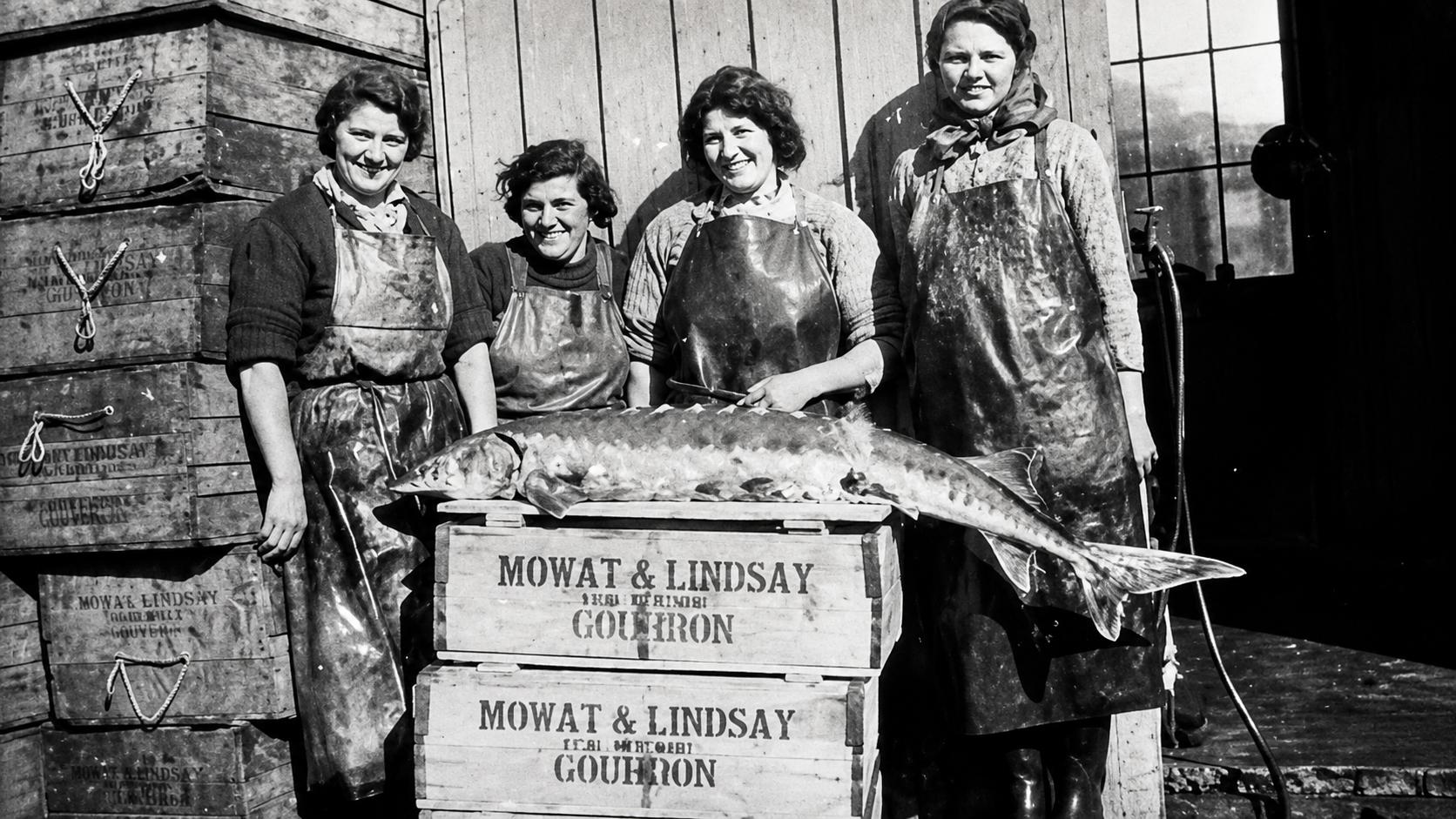
While the men fished, the women of Cullercoats carried out work that was every bit as vital and demanding. The fishwives gathered the bait, digging for sand-worms and collecting mussels and limpets from the shore, and they baited the lines, a laborious and skilful task. They carried the heavy gear to the boats and helped to launch them, and when the catch came in, it was they who prepared the fish and took them to market. The work was hard, physical and unceasing, and the fishwives bore a great share of the labour on which the community's livelihood depended.
Carrying the Catch.
One of the most striking aspects of the fishwives' work was the carrying and selling of the fish. The women would load heavy creels of fish onto their backs and carry them considerable distances to sell, often walking many miles to the markets of Newcastle and the surrounding towns in the hope of a better price. The sight of the fishwives, bent under their heavy loads, hawking their fresh fish through the streets, was a familiar one across Tyneside. Their strength and endurance in this demanding work were remarkable, and they became known and respected for their tireless labour.
A Distinctive Costume.
The Cullercoats fishwives were instantly recognisable by their distinctive traditional costume, which became famous well beyond the village. They wore a particular style of dress, with a full skirt, a large apron and a bonnet, that marked them out as fishwives and that has become an iconic image of the North East coast. This costume, practical for their work yet distinctive in appearance, was part of the strong identity of the fishing community, and it is now remembered as a treasured piece of the region's heritage. The image of the fishwife in her costume remains a powerful symbol of the coast.
Immortalised in Art.
The fishwives and their community drew the attention of artists, who were captivated by the drama and character of life in the fishing village. Most famously, the great American painter Winslow Homer lived and worked in Cullercoats for over a year, and he was deeply moved by the strenuous and courageous lives of its people, particularly the women. He depicted the fishwives many times, capturing their strength, dignity and endurance, and his time in the village transformed his art. Through his work and that of other artists, the Cullercoats fishwives were immortalised, their lives preserved for posterity in paintings admired around the world.
Strength and Dignity.
What shines through the story of the Cullercoats fishwives is their extraordinary strength, both physical and of character. These were women who carried heavy loads, worked in all weathers and bore great responsibilities, all while raising families and keeping their households. They were the backbone of their community, and they faced their hard lives with a resilience and dignity that won them respect and admiration. The fishwives embodied the toughness and spirit of the North East coast, and their example stands as a tribute to the strong working women of the region.
A Proud Heritage.
The Cullercoats fishwives are a proud part of the heritage of the North East coast, remembered for their hard work, their strength and their vital role in their community. Though the great days of the fishing village have passed, the memory of the fishwives endures, preserved in art, in costume and in the stories of the coast. Their lives remind us of the courage and resilience of the communities that depended on the sea, and of the remarkable women who did so much to sustain them. They are a fine example of the spirit that has always characterised the people of the North East.
The Women Who Held It Together.
The story of the Cullercoats fishwives is part of a wider and often overlooked history: the vital role played by women in the working communities of the North East. While the labour of the men, in the pits, the shipyards and the fishing boats, has often taken centre stage in accounts of the region's industrial past, the work of the women was every bit as essential to the survival and wellbeing of their communities.
In the fishing villages, as in the mining and industrial communities, women bore enormous responsibilities, combining demanding physical labour with the running of their households and the raising of their families. The fishwives gathered bait, baited lines, processed and sold the catch, and contributed directly to the economic survival of their families, all while shouldering the heavy burden of domestic work. Their strength, resilience and resourcefulness were indispensable, and the communities could not have functioned without them.
Recognising the role of these women is an important part of understanding the true history of the region and of giving due credit to those whose contribution was so often taken for granted. The Cullercoats fishwives, with their hard labour and their dignity, stand as representatives of the countless working women of the North East whose efforts held their communities together.
Their story deserves to be remembered and honoured, a tribute to the strength and the essential contribution of the women of the region across the generations of its working history.
Have your say.
The Cullercoats fishwives were the strong and tireless backbone of their fishing community.
What do you find most inspiring about the story of the Cullercoats fishwives?
Lifestyle News
The Cullercoats Fishwives: Strong Women of the North East Coast
A celebration of the Cullercoats fishwives, the strong working women of the North East fishing village immortalised by the artist Winslow Homer.
Advertisement





Comments (0)
You must be logged in to post comments.
Don't have an account? Register here
No comments yet. Be the first to share your thoughts!