
A great deal of standard energy advice assumes a house built after the 1930s with cavity walls. Much of Newcastle's housing predates that.
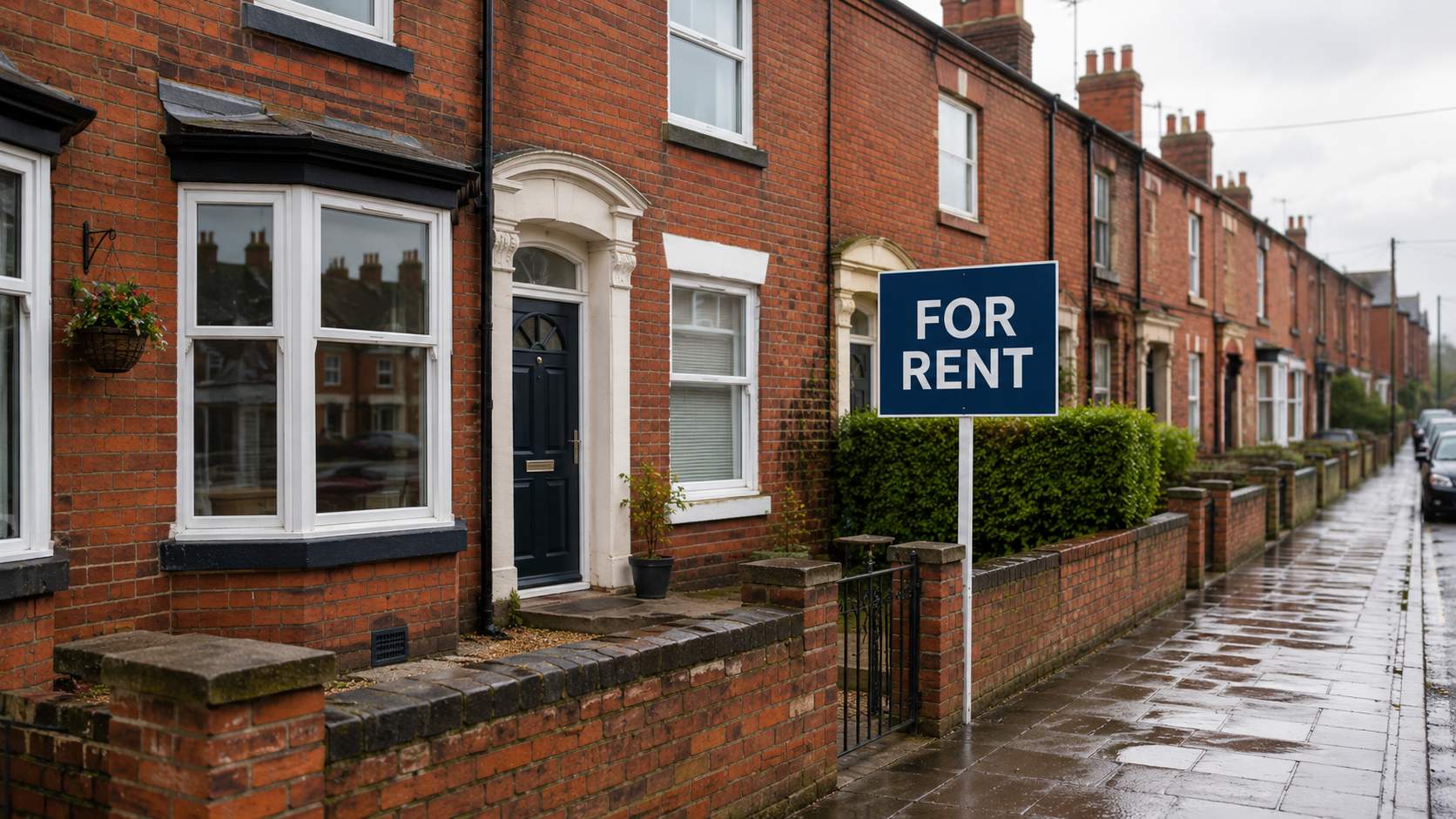
Victorian and Edwardian terraces across Heaton, Jesmond, Byker, Elswick and beyond, along with Tyneside flats found almost nowhere else, have solid walls, suspended timber floors and original windows.
That changes which measures work. Here is what actually helps.
Identify your wall type first.
Cavity wall insulation is among the most cost-effective measures available, and it is irrelevant if you do not have cavities.
Houses built before roughly 1920 generally have solid walls. A quick indicator is brick pattern: solid walls typically show alternating long and short brick ends, while cavity walls show only long faces.
Wall thickness at a window or door reveal is another guide. Where uncertain, an assessor can check with a borescope.
Solid wall insulation is possible, applied internally or externally, but it is expensive, disruptive and affects room dimensions or external appearance. In conservation areas and on listed buildings, external application is frequently not permitted.
Start with draughts instead.
For older properties, draught-proofing delivers the best return for the least money, and it is largely reversible.
Target the gaps: around doors and letterboxes, sash window rattles, floorboard gaps, skirting board junctions, unused chimneys and loft hatches.
Chimney balloons or removable dampers block a substantial and constant airflow from open unused fireplaces. Floorboard gap filler or a sealed underlay addresses draughts from suspended timber floors, which are common in Tyneside flats and terraces.
Do not block permanent ventilation such as airbricks serving suspended floors or vents required for a gas appliance. These exist for safety and for preventing damp.
Heavy curtains help more than expected.
Original sash windows lose considerable heat. Full secondary glazing is effective but expensive.
Thermally lined curtains, hung so they cover the whole window and the wall around it and stopping below the sill rather than above a radiator, produce a measurable difference for modest cost.
Cheaper interim options include removable secondary glazing film, magnetic acrylic panels and shutters where original ones survive.
Loft insulation remains the best value.
Where a loft is accessible, insulation to the recommended depth is consistently among the highest-return measures available.
A great many lofts have some insulation but less than current recommendations, and topping up is straightforward and inexpensive.
Insulate the loft hatch itself and fit draught stripping around it, since an uninsulated hatch undermines the rest.
Do not insulate beneath a cold water tank, and keep insulation clear of eaves ventilation to avoid condensation problems.
Boiler settings are free to change.
For a condensing gas boiler serving radiators, reducing the flow temperature allows the boiler to condense properly and operate more efficiently.
A commonly recommended setting is around 60 degrees for the radiator circuit. Hot water temperature is set separately and should remain high enough to prevent bacterial growth in stored water.
This costs nothing, takes minutes and does not usually affect comfort, though the house heats slightly more slowly.
Bleeding radiators, and balancing the system so radiators furthest from the boiler heat properly, both improve efficiency at no cost.
Radiator reflector panels behind radiators on external walls are cheap and help in solid-walled properties in particular.
Heat the space you use.
Heating a whole house to the same temperature when one room is occupied is expensive.
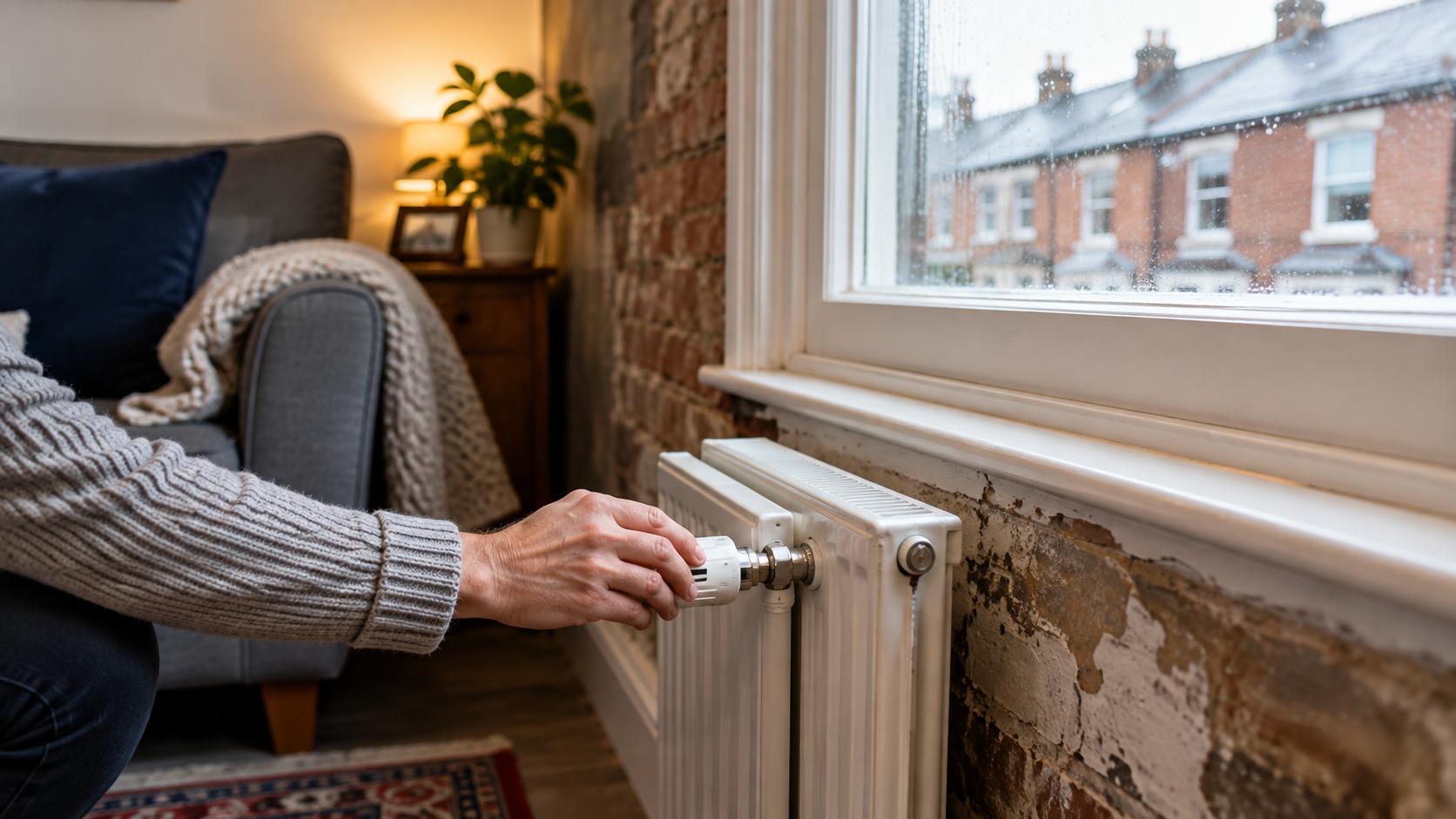
Thermostatic radiator valves allow rooms to be set individually, and turning down unused rooms while keeping them above the point where damp becomes a risk is a reasonable compromise.
Newcastle's older stock is prone to condensation and mould, so heating rooms to nothing at all is generally a false economy that produces a worse and more expensive problem.
Ventilation matters alongside heating. Opening windows briefly and widely after showering, cooking and drying laundry removes moisture faster than leaving them ajar all day.
Hot water and appliances add up.
An insulating jacket on an older hot water cylinder pays for itself very quickly, and pipe lagging on accessible pipework is similarly cheap.
Washing clothes at lower temperatures, running full loads, and drying outdoors or on a rack rather than in a tumble dryer all reduce electricity use meaningfully, given the cost per unit.
Standby consumption across a modern household is smaller than often claimed but not nothing, and a switched extension lead makes it easy to address.
Grants exist but eligibility varies.
Government-funded schemes for insulation and heating measures operate periodically, with eligibility typically based on income, benefits, property energy rating or postcode area.
Newcastle City Council publishes current schemes, and local energy advice services can assess a property and identify what applies.
Some schemes have specifically targeted solid-walled properties, which is relevant given the region's housing stock, and social housing tenants should ask their landlord directly.
Beware unsolicited approaches offering free insulation, particularly cold calls and doorstep visits. Legitimate schemes can be verified through the council or the Energy Saving Trust.
Share your thoughts.
What has made the biggest difference in energy costs in your home?
Lifestyle News
Cutting Energy Use in an Older Newcastle Home
Much of Newcastle's housing was built before insulation was a consideration, which changes which energy-saving measures actually work.
Advertisement




Comments (0)
You must be logged in to post comments.
Don't have an account? Register here
No comments yet. Be the first to share your thoughts!