
Cybersecurity can sound like a complicated, technical subject best left to IT professionals, but the reality is that a handful of straightforward habits can dramatically reduce your personal risk of falling victim to scams, data breaches or account theft, whether you are browsing from home in Newcastle or anywhere else across the North East.
Strong, unique passwords remain one of the most basic yet most frequently ignored elements of good cybersecurity practice. Reusing the same password across multiple accounts means that a single data breach at one company can potentially expose every other account using that same password, a risk that a dedicated password manager can help eliminate by generating and storing unique passwords for each account automatically.
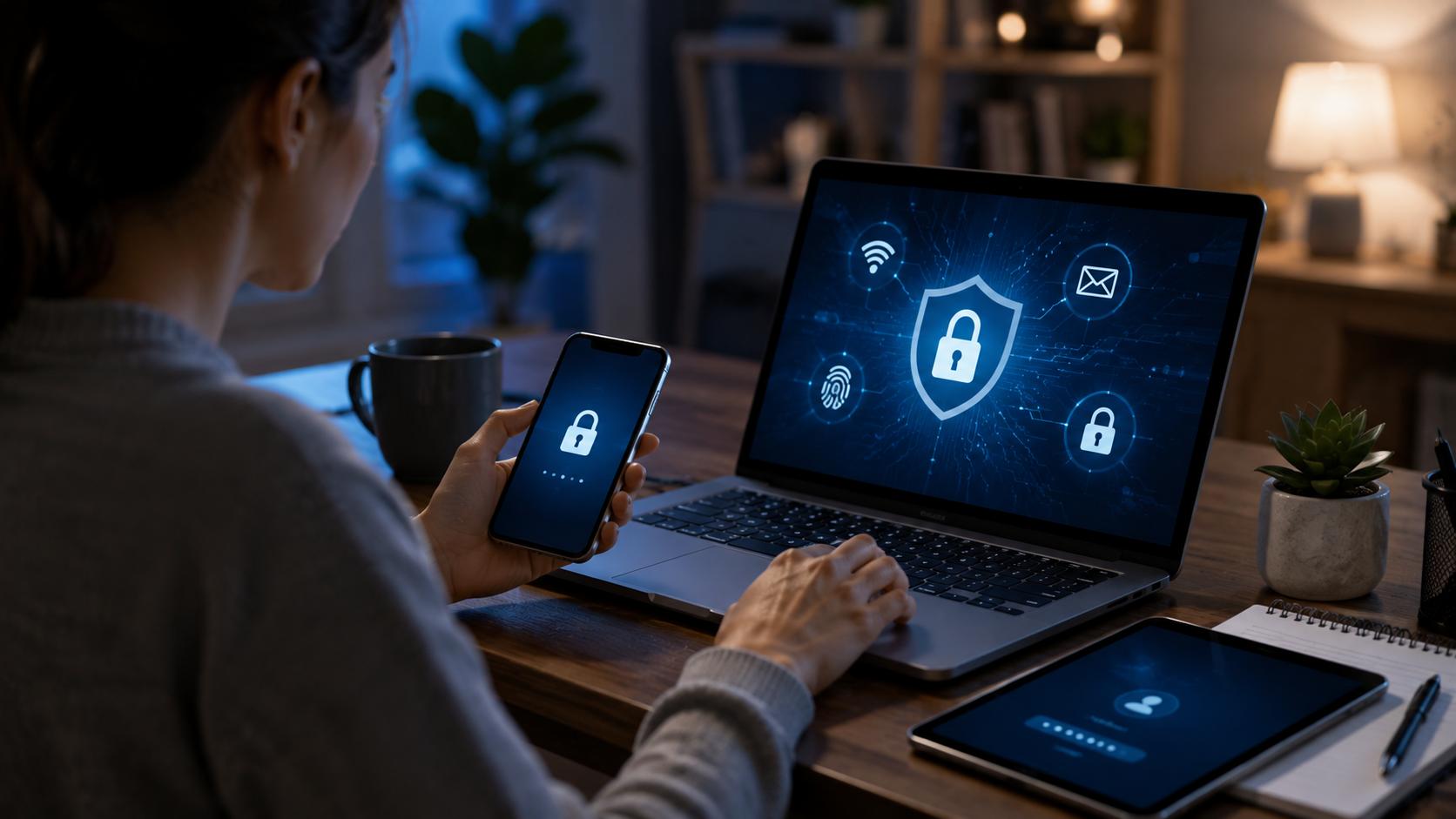
Two-factor authentication, sometimes called two-step verification, adds a genuinely significant extra layer of protection beyond a password alone, typically requiring a code sent to your phone or generated by an app before anyone can log in, even if they somehow already know your password. Enabling this feature on email, banking and social media accounts is one of the single most effective steps most people can take.
Phishing scams, fraudulent emails or text messages designed to trick people into handing over personal or financial information, remain one of the most common ways people fall victim to cybercrime, often by impersonating a trusted organisation like a bank, delivery company or government department. Learning to recognise the warning signs, urgent language, unfamiliar links and requests for sensitive information, is essential protection regardless of how sophisticated these scams become.
Public Wi-Fi networks, commonly available in cafes, libraries and other public spaces across Newcastle and the wider region, carry genuine security risks when used for anything sensitive, such as online banking or entering payment details, since these networks are generally far less secure than a private home connection. Avoiding sensitive transactions on public Wi-Fi, or using a trusted VPN, offers a simple layer of extra protection.
Software updates might feel like an unwelcome interruption, but they frequently contain important security fixes addressing vulnerabilities that cybercriminals actively try to exploit. Keeping phones, computers and apps updated promptly, rather than repeatedly postponing updates, closes off many of the easiest routes attackers use to gain unauthorised access to personal devices and accounts.
Older or less tech-confident family members are frequently targeted specifically because scammers assume, sometimes correctly, that they may be less familiar with common warning signs online. Taking time to talk through basic cybersecurity habits with older relatives, and helping set up protective features like two-factor authentication on their behalf, can make a genuine difference to their overall online safety.
Online banking and shopping have made financial cybersecurity a particularly important priority for households across Newcastle and the North East, with genuine banks never asking customers to share a full password or one-time verification code over the phone or by email, a simple fact worth remembering whenever an unexpected, urgent-sounding message arrives claiming to be from your bank.
Regularly reviewing account activity, bank statements and any connected devices logged into your major online accounts can help catch suspicious activity early, before a relatively minor security issue has the chance to develop into a considerably more serious problem, making occasional account checks a genuinely worthwhile habit rather than something to only think about after a problem has already occurred.
None of these steps require specialist technical knowledge, only a small amount of consistent effort applied across the accounts and devices you use every day. Building these habits now offers considerably stronger protection than reacting after a scam or breach has already happened, making basic cybersecurity awareness one of the more valuable skills anyone can build in an increasingly online world.
Join the discussion.
Have you ever spotted a convincing online phishing scam?
Tech News
Cybersecurity Basics: How to Protect Yourself Online
With online scams and data breaches an increasingly common concern, understanding a few cybersecurity basics can go a long way toward protecting yourself and your family online.
Advertisement



Comments (0)
You must be logged in to post comments.
Don't have an account? Register here
No comments yet. Be the first to share your thoughts!