
It is one of the most famous teas in the world, sipped in elegant drawing rooms and ordinary kitchens alike, its distinctive fragrance instantly recognisable. Yet many people who enjoy a cup of Earl Grey have no idea that the tea owes its name to an aristocratic family with deep roots in Northumberland, and to a man whose statue gazes out over the centre of Newcastle. The story of Earl Grey tea is, in part, a North East story.
The Man Behind the Name.
Earl Grey tea takes its name from Charles Grey, the second Earl Grey, who lived from 1764 to 1845 and served as Prime Minister of the United Kingdom from 1830 to 1834. A leading Whig politician, he is remembered in the history books for major achievements including the great Reform Act of 1832 and the abolition of slavery across the British Empire in 1833. Today, however, his name is probably most familiar to the wider world not for his politics but for the tea that bears it. The Grey family were prominent members of the Northumberland gentry, and their connection to the region is central to the tea's story.
The Howick Hall Connection.
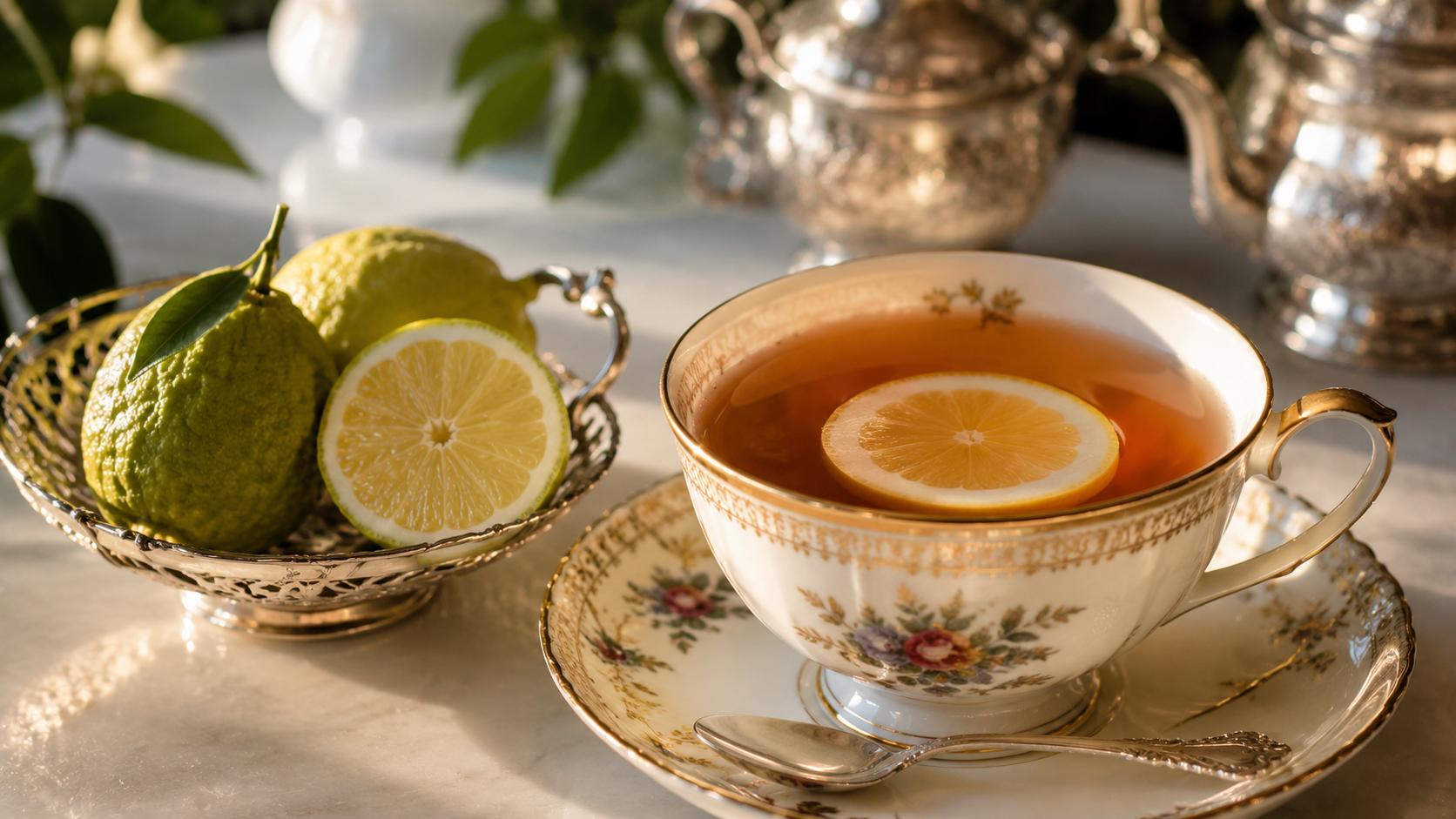
The Grey family seat is Howick Hall, a fine country house set in beautiful gardens on the Northumberland coast. According to the family's own account, this is where the famous tea blend originated. The story goes that the tea was specially blended, said to be by a Chinese mandarin, using bergamot oil in particular to offset the taste of the lime-rich water from the well at Howick. The distinctive citrus fragrance of bergamot was added to balance the local water and, as it turned out, created something rather delicious. Whether or not every detail of the tale is strictly accurate, the link between the blend and Howick Hall is proudly maintained to this day.
A Tea Fit for High Society.
Having been created to suit the household at Howick, the new tea is said to have been introduced to wider society by Lady Grey, the Earl's wife. As a celebrated political hostess who entertained extensively in London, she served the distinctive blend to her many guests, and it proved so popular that she was asked whether it could be made available for others to buy. In this way, a tea created for a Northumberland country house found its way into the heart of fashionable London society and, eventually, out into the world. It became firmly associated with refinement and good taste, an image it has never lost.
The Flavour of Bergamot.
What defines Earl Grey, and sets it apart from ordinary black tea, is the addition of bergamot, an aromatic oil extracted from the rind of the bergamot orange, a citrus fruit grown chiefly in Italy. This gives the tea its characteristic perfumed, fragrant, slightly floral quality, fresh and distinctive on the nose and palate. The blend has inspired countless variations over the years, from versions with added flowers or fruit to lighter and green-tea-based interpretations, but the essential character, black tea scented with bergamot, remains the same. It is a flavour that people tend to feel strongly about, loved by many and unmistakable once known.
A Missed Fortune.
There is a wry footnote to the story that says much about the Grey family. Despite lending their name to one of the most successful tea products in history, the Greys, being unbusinesslike, never registered the name as a trademark. As a result, they never received a penny in royalties from the worldwide sales of Earl Grey tea, which came to be marketed by major tea companies. It is a gently amusing tale of an aristocratic family who gave the world a household name but failed to profit from it, a reminder that fame and fortune do not always go hand in hand.
A Newcastle Connection.
For Geordies, there is a satisfying local twist to the story. Charles Grey, the second Earl, is the very man commemorated by Grey's Monument, the towering column topped by his statue that stands at the heart of Newcastle, giving its name to the elegant Grey Street below. So the next time you stroll through the city centre and glance up at that famous landmark, you can reflect that the figure looking down is the same Earl Grey whose name is spoken every day by tea drinkers around the globe. It is a charming link between a world-famous drink and the streets of Newcastle.
Earl Grey tea may be enjoyed everywhere, but its roots reach back to a Northumberland hall and an aristocratic family whose most enduring legacy turned out to be a fragrant cup of tea. It is a delicious piece of North East heritage, hiding in plain sight in kitchens around the world.
A Flavour That Inspired Many Blends.
The success of Earl Grey has inspired a whole family of related teas and an enduring fascination with the bergamot flavour. Variations abound, from Lady Grey, with its added citrus notes, to versions blended with flowers, fruit or green tea, each putting a fresh spin on the classic combination. The distinctive flavour has also found its way well beyond the teacup, lending its fragrant character to cakes, biscuits, chocolates and other treats, where the perfume of bergamot adds a touch of sophistication. This versatility has helped keep Earl Grey relevant and popular across the generations, appealing to traditionalists and adventurous palates alike. Few flavours are so instantly recognisable or so closely associated with a particular idea of refinement and good taste. That such an enduring and widely loved product should trace its name and its story back to a Northumberland family and their country hall is a delightful piece of North East heritage. From Howick to the wider world, the legacy of Earl Grey lives on in every fragrant cup.
We want to hear from you.
Share your memories and opinions with fellow readers below, especially whether you take your Earl Grey with milk, lemon or neither.
Did you know the Earl Grey behind your tea is the same man atop Newcastle's Grey's Monument?
Food & Drink News
Earl Grey Tea: The North East Aristocrat Behind a Brew
How Earl Grey tea is linked to Charles Grey of Howick Hall in Northumberland, the aristocrat whose statue tops Newcastle's Grey's Monument.
Advertisement


Comments (0)
You must be logged in to post comments.
Don't have an account? Register here
No comments yet. Be the first to share your thoughts!