
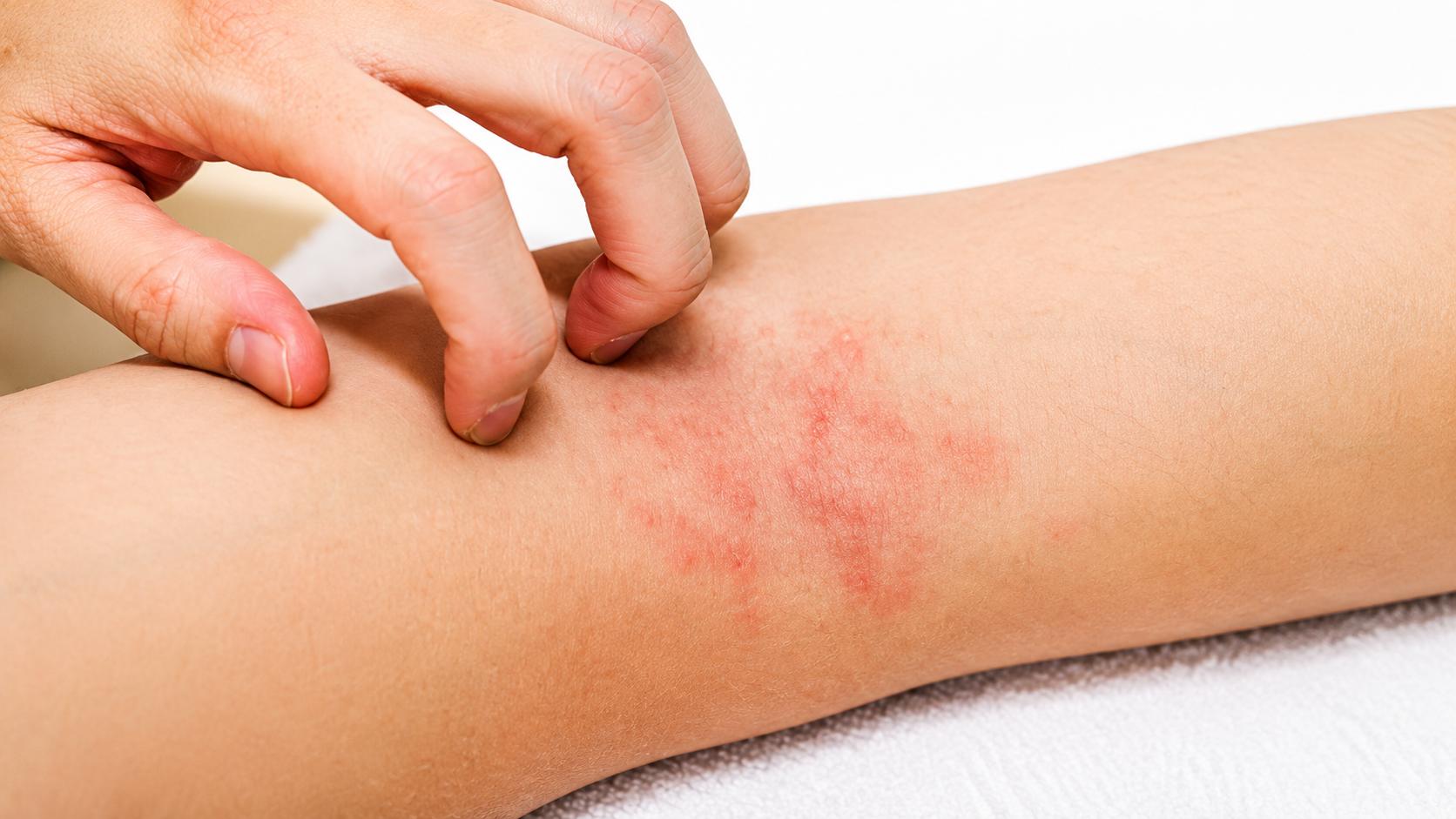
Eczema, also known as atopic dermatitis, is a common skin condition causing patches of skin to become itchy, dry, cracked and inflamed. It affects an estimated one in five children and around one in ten adults across the UK, often beginning in early childhood, though it can develop at any age and frequently improves considerably as children grow older.
The exact cause of eczema remains genuinely complex, involving a combination of genetic and environmental factors. People with eczema often have a naturally impaired skin barrier, meaning their skin struggles to retain moisture and loses its natural protective function more easily, allowing irritants and allergens to penetrate the skin and trigger the inflammation and itching characteristic of the condition.
Eczema frequently runs in families alongside other allergic conditions, including asthma and hay fever, a pattern doctors refer to as the "atopic triad". Common trigger factors that can worsen symptoms include soaps and detergents, certain fabrics like wool, extreme temperatures, stress, and specific allergens including dust mites, pet dander and occasionally certain foods, particularly in younger children.
Symptoms typically appear as dry, scaly patches of skin that can become intensely itchy, with scratching often making the condition genuinely worse and increasing the risk of skin infection. In babies, eczema commonly affects the face and scalp, while in older children and adults it more typically appears in the creases of elbows and knees, though it can affect virtually any area of the body.
Treatment generally centres around regular use of emollients, moisturising treatments applied liberally and frequently to help restore the skin's natural barrier and reduce dryness, even when skin appears clear. During flare-ups, topical corticosteroid creams are commonly prescribed to reduce inflammation, with the specific strength tailored to the severity of symptoms and the particular area of the body affected.
Identifying and avoiding personal trigger factors makes a genuinely significant difference for many people living with eczema, and keeping a simple diary noting flare-ups alongside possible triggers can help identify patterns over time. Simple practical steps, including using fragrance-free products, avoiding very hot baths or showers, and wearing soft, breathable fabrics, can also meaningfully reduce irritation for many sufferers.
For more severe or persistent eczema that does not respond adequately to standard treatments, a GP may refer patients to a dermatologist for further specialist treatment options, which can include stronger prescription treatments or, in some cases, light therapy. Bacterial skin infections occasionally develop in eczema-affected skin too, requiring separate treatment with antibiotics if this occurs.
While eczema cannot currently be cured, most people find their symptoms can be managed effectively with a consistent skincare routine and careful trigger avoidance. Many children with eczema find their symptoms improve considerably or resolve entirely by their teenage years, though some people continue experiencing symptoms, sometimes considerably milder, well into adulthood.
Newcastle's NHS dermatology services offer referral routes for people whose eczema does not respond adequately to standard GP-prescribed treatments, and many pharmacies across the North East can also offer initial advice on suitable emollients and over-the-counter treatments for milder cases.
Applying emollients using downward strokes in the direction of hair growth, rather than rubbing them in vigorously, can help reduce irritation and improve how effectively the treatment actually works, a small technique tip many people are never specifically shown when first prescribed treatment. Consistency with a daily skincare routine tends to matter more than any single specific product used.
Choosing the right moisturiser can take a bit of trial and error, since different formulations suit different people, and pharmacists can often offer genuinely useful guidance on which products tend to work best for specific skin types and symptom patterns. It is a genuinely manageable condition once the right routine is properly established and maintained.
The National Eczema Society offers genuinely helpful resources and support for anyone wanting more detailed guidance on managing their symptoms long term. Building this knowledge over time genuinely helps most people feel considerably more confident managing their own condition.
Have your say.
Have you found a skincare routine that genuinely works?
Health News
Eczema Explained: Causes, Symptoms and Treatment Options
Eczema affects around one in five children and one in ten adults in the UK, and while there is no cure, understanding your triggers can make a genuine difference to flare-ups.
Advertisement




Comments (0)
You must be logged in to post comments.
Don't have an account? Register here
No comments yet. Be the first to share your thoughts!