
People across Newcastle and the rest of the UK will be able to access a completely new type of prescription weight loss treatment from tomorrow, Monday, July 6, after the Medicines and Healthcare products Regulatory Agency (MHRA) approved the country's first GLP-1 tablet designed specifically for weight management.
The approval marks a significant step forward for obesity treatment by giving eligible patients an alternative to weekly injections. While the medicine has now received regulatory approval, it is not yet available through the NHS, meaning access is initially expected through private healthcare providers while national guidance is developed.
For thousands of people in Newcastle living with obesity or weight-related health conditions, the launch could represent another option in the growing range of medically supervised weight management treatments.
A major milestone for weight loss treatment.
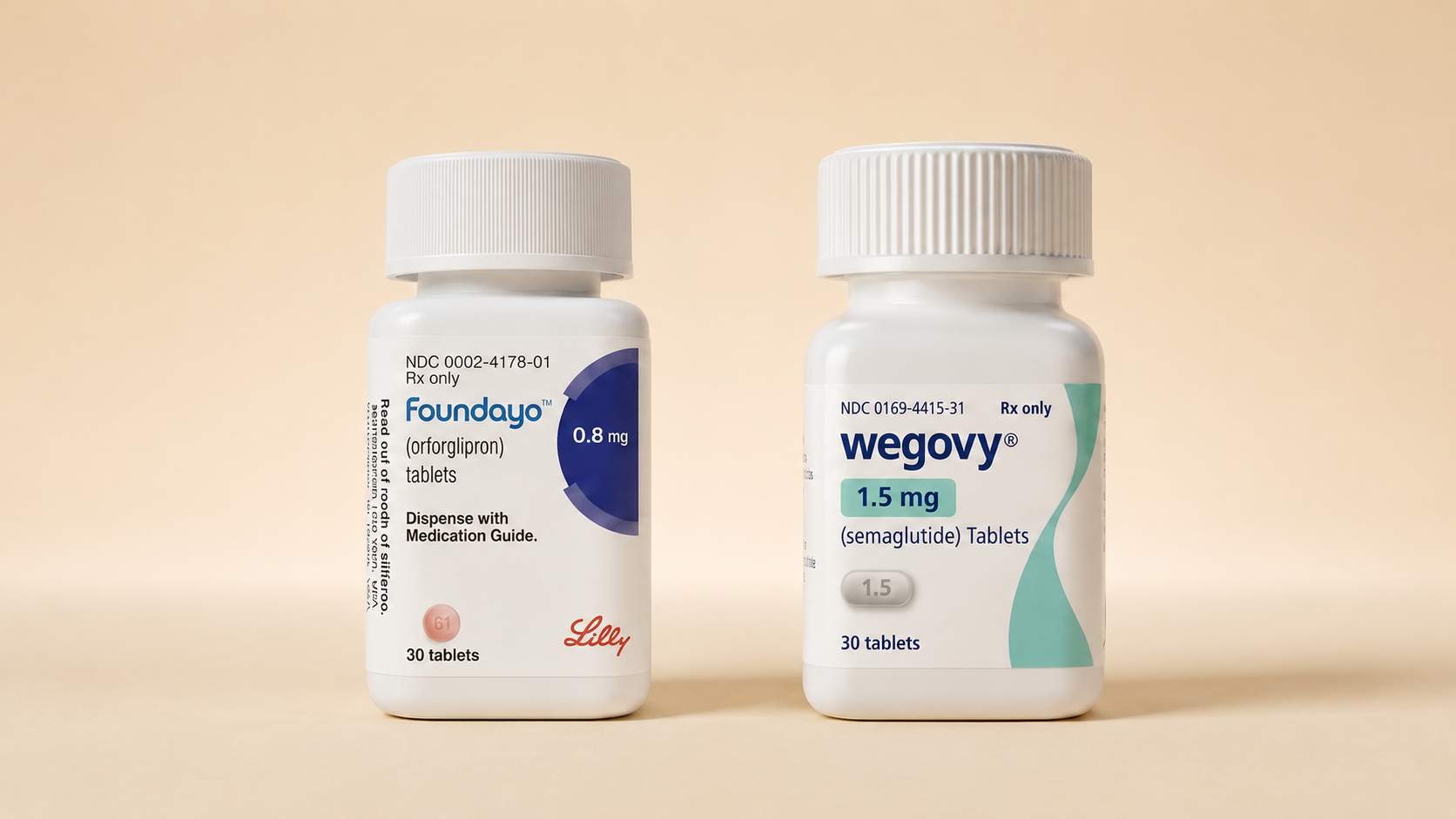
The newly approved semaglutide tablet, marketed under the Wegovy brand, is the first GLP-1 receptor agonist tablet licensed in the UK for weight loss and long-term weight management.
Until now, patients prescribed semaglutide for obesity have typically relied on once-weekly injections. From Monday, eligible adults can instead be prescribed a once-daily tablet, offering a needle-free alternative for people who prefer oral medication.
The MHRA approved the treatment after concluding it met strict standards for safety, quality and effectiveness. Like all GLP-1 medicines, it remains available only on prescription and should only be used alongside healthier eating habits and increased physical activity.
The launch comes as demand for weight management medication continues to grow across Britain, with awareness of GLP-1 medicines reaching record levels over the past two years.
Who can receive the tablet.
The medicine is approved for adults with a Body Mass Index of 30 or above.
It can also be prescribed to adults with a BMI between 27 and 30 if they have at least one weight-related medical condition, such as high blood pressure, type 2 diabetes or cardiovascular disease.
Patients currently using the weekly 2.4mg semaglutide injection privately may also be able to switch directly to the daily 25mg tablet under medical supervision.
The treatment begins with a lower dose before gradually increasing over several months to help reduce the likelihood of side effects.
How the tablet works.
Semaglutide belongs to a group of medicines known as GLP-1 receptor agonists.
It mimics a naturally occurring hormone released after eating, helping regulate appetite by acting on areas of the brain responsible for hunger and fullness. Many patients report feeling satisfied after eating smaller meals while experiencing fewer food cravings.
Healthcare professionals stress that the medicine is designed to support lifestyle changes rather than replace them. Successful treatment still relies on maintaining a balanced diet and regular physical activity.
To ensure the medicine works effectively, patients must take the tablet on an empty stomach after fasting for at least eight hours. Only a small sip of water should be taken with the tablet, and no food or drink should be consumed for at least 30 minutes afterwards.
What it means for Newcastle.
Like many areas across the North East, Newcastle continues to face significant public health challenges linked to obesity.
The arrival of another licensed treatment option could be welcomed by many residents seeking clinically supervised support after struggling with traditional weight loss programmes.
Although NHS patients in Newcastle will need to wait until NICE completes its assessment before widespread NHS availability is considered, private clinics are expected to begin offering the new tablet from Monday.
Local healthcare professionals are likely to advise patients against purchasing medication from unregulated online sellers, encouraging prescriptions only through legitimate medical providers.
The bigger picture behind obesity.
Obesity remains one of the UK's biggest public health issues.
Official government data estimates that 26.5 percent of adults in England were living with obesity during 2023-24, while measured survey data places the figure even higher at 28.9 percent.
Meanwhile, around two in three UK adults are overweight or living with obesity, highlighting the scale of the challenge facing healthcare services.
Research has also linked excess weight to increased risks of heart disease, stroke, type 2 diabetes and several cancers.
Recent analysis from the British Heart Foundation warned that, if current trends continue, around 170,000 people in England could die from obesity-related heart conditions by 2035, underlining why prevention and treatment remain major healthcare priorities.
NHS availability remains uncertain.
Despite receiving regulatory approval, the tablet will not immediately become available through the NHS.
Before NHS patients can routinely receive the medicine, the National Institute for Health and Care Excellence must complete its assessment to determine whether it represents good value for public funding.
Until then, many eligible patients interested in treatment may need to access it privately following consultation with a qualified healthcare professional.
Safety remains important.
As with injectable GLP-1 medicines, the most frequently reported side effects involve the digestive system.
Some patients may experience nausea, diarrhoea, constipation or vomiting, particularly while increasing doses during the first few months of treatment.
The MHRA says it will continue monitoring the medicine's safety through its Yellow Card reporting scheme and encourages anyone experiencing suspected side effects to seek medical advice.
With the first prescriptions expected from Monday, the arrival of the UK's first weight loss tablet marks another milestone in obesity treatment and could offer a convenient alternative for patients across Newcastle and the wider country.
Share your thoughts.
What are your thoughts on the new GLP-1 Weight Loss Pills?
Health News
First UK GLP-1 Weight Loss Tablet Launches Monday
Advertisement





Comments (0)
You must be logged in to post comments.
Don't have an account? Register here
No comments yet. Be the first to share your thoughts!