
If asked to name a film that captured the North East on screen, many people would immediately think of Get Carter. This gritty crime classic of the early 1970s, starring Michael Caine, used the streets of Newcastle and Gateshead as its backdrop and in doing so created one of the most influential and enduring films in the history of British cinema. More than half a century on, it remains a powerful portrait of Tyneside at a pivotal moment.
A Gritty Crime Classic.
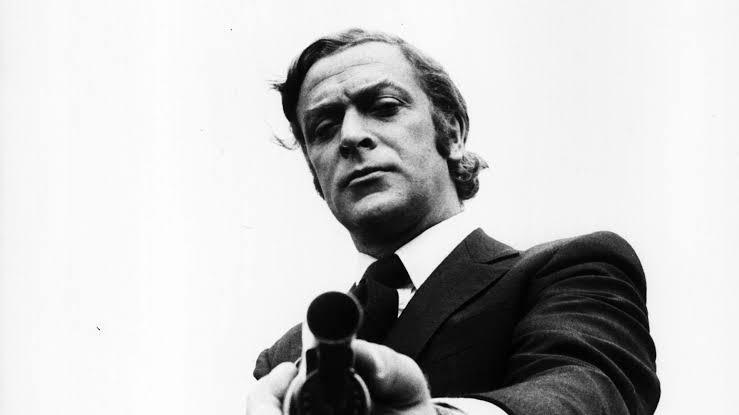
Get Carter, released in 1971 and directed by Mike Hodges, tells the story of Jack Carter, a London gangster played by Michael Caine, who returns to his native North East to investigate and avenge the death of his brother. Based on a novel that was set in an unspecified northern town, the film follows Carter through the criminal underworld of the region as he uncovers a web of sleaze and corruption, building to a violent conclusion. With its hard-edged style, its bleak atmosphere and its unsentimental view of crime, the film helped to revitalise British crime drama and remains a landmark of the genre. It is a tough, uncompromising piece of cinema.
Filmed on Tyneside.
What gives Get Carter so much of its power is its use of real North East locations. The director chose to film in Newcastle and Gateshead, an area he came to know, and the bleak, atmospheric Tyneside of the early 1970s adds enormously to the film's gritty tone. The cameras captured the city's streets, its docks, its terraced houses and its new developments, presenting a vivid and unvarnished portrait of the region at the time. This authentic sense of place sets the film apart from many crime dramas, grounding its story in a real and recognisable world and making the North East itself one of the film's central characters.
The Famous Car Park.
Perhaps the most iconic location in the entire film is the brutalist multi-storey car park that once dominated Gateshead's Trinity Square. This striking concrete structure, with its dramatic rooftop, featured in one of the film's most memorable scenes and became so closely associated with the movie that it came to be known as the Get Carter car park. The building stood for decades as a landmark and a place of pilgrimage for fans of the film, before it was finally demolished in 2010. Its loss was mourned by many who saw it as a piece of cinema history, and it remains a potent symbol of the film's connection to the region.
A Time Capsule of the Region.
Beyond its qualities as a thriller, Get Carter is valued as a remarkable record of the North East at a particular moment in its history. The film captured Tyneside on the cusp of great change, before the sweeping redevelopment that would transform the region in the decades that followed. Its images of Victorian terraces, industrial landscapes and brutalist new buildings preserve a vivid impression of a world that has now largely vanished. Many of the locations seen in the film have since been demolished or transformed beyond recognition, which gives the film an additional poignancy and historical value as a window onto a lost era.
A Lasting Influence.
The influence of Get Carter on British cinema has been profound and lasting. Praised by filmmakers and critics, and championed by later directors as one of the finest British crime films ever made, it set a template for gritty, realistic crime drama that many subsequent films would follow. Its uncompromising tone, its memorable central performance and its evocative use of location have ensured its place as a classic, and it is frequently cited in lists of the greatest British films. The film's reputation has only grown with time, and it continues to be studied, celebrated and rediscovered by new generations of viewers.
Michael Caine's Memorable Role.
At the heart of the film is Michael Caine's compelling performance as the cold, ruthless Jack Carter. Caine brought a steely intensity to the role, creating one of the most memorable characters of his long and distinguished career. His portrayal of a hardened criminal on a single-minded mission gave the film much of its power, and the image of Carter moving through the streets of the North East has become iconic. The role remains one of the defining performances of Caine's career and a key part of the film's enduring appeal, anchoring the drama with a magnetic and unsettling central presence.
A Tyneside Icon.
Get Carter holds a special place in the affections of the North East, both as a great film and as a vivid portrait of the region at a moment in its history. For local people, the film is a source of pride and fascination, capturing the streets and landmarks of their home in unforgettable fashion. Its locations have become the subject of guided tours and nostalgic appreciation, and the film continues to draw fans to the region eager to see where it was made.
More than fifty years after its release, Get Carter endures as a landmark of British cinema and a powerful evocation of the North East. It demonstrated how the streets of Newcastle and Gateshead could provide the perfect setting for a great film, and in doing so it gave the region a permanent and celebrated place in the story of British film.
A Film Reborn.
The reputation of Get Carter has grown steadily over the decades, and the film has enjoyed a remarkable afterlife. Once a film of its moment, it has come to be celebrated as a genuine classic, the subject of restorations and re-releases that have introduced it to new generations of viewers. Its cult status has only increased with time, and it is now widely studied and admired, frequently appearing in lists of the greatest British films. The locations associated with the film have become objects of fascination, and when the famous Gateshead car park was demolished, fans even sought out pieces of the rubble as keepsakes, such was the building's iconic status. Guided tours and continued interest keep the film's connection to the region alive, drawing enthusiasts eager to walk in Jack Carter's footsteps. This enduring and growing appeal is a testament to the film's quality and its powerful sense of place, ensuring that Get Carter, and the Tyneside it captured, will continue to be remembered and celebrated for many years to come.
Share your thoughts.
We would love to hear your memories and opinions, so leave a comment below, especially if you remember the famous Get Carter car park.
Does Get Carter still stand up as the definitive portrait of Tyneside on film?
Entertainment News
Get Carter: The Film That Defined Tyneside on Screen
How the 1971 crime classic Get Carter, starring Michael Caine, used Newcastle and Gateshead to create one of British cinema's greatest films.
Advertisement



Comments (0)
You must be logged in to post comments.
Don't have an account? Register here
No comments yet. Be the first to share your thoughts!