
With headlines often dominated by habitat loss, climate change and declining biodiversity, it can sometimes feel as though conservation is an uphill battle. Yet over the past decade, there have been remarkable success stories that prove dedicated conservation efforts can make a real difference.
From endangered species making a comeback to vast areas of land and sea receiving greater protection, scientists say the last ten years have demonstrated that targeted investment, stronger environmental policies and community action can reverse decades of decline. These achievements are also inspiring organisations across Newcastle and the North East, where local conservation projects continue to protect coastlines, wetlands and native wildlife.
Tigers have made one of the world's greatest recoveries.
One of the most celebrated conservation victories has been the recovery of wild tiger populations.
In 2010, the global wild tiger population had fallen to around 3,200 animals. Thanks to stronger anti-poaching measures, improved habitat protection and international cooperation, that figure has risen to around 5,500 wild tigers, representing one of the largest recoveries of any iconic endangered species. India has successfully doubled its tiger population since 2010, while Nepal has almost tripled its numbers.
The recovery highlights how long-term conservation programmes can deliver measurable results when governments, charities and local communities work together.
Marine life is beginning to recover.
The seas around Britain are also showing encouraging signs of recovery.
Conservation groups report increasing sightings of bottlenose dolphins, minke whales, humpback whales and even bluefin tuna in parts of the North Sea. Grey seal populations, once under significant pressure, have also grown substantially following decades of legal protection and improved marine management.
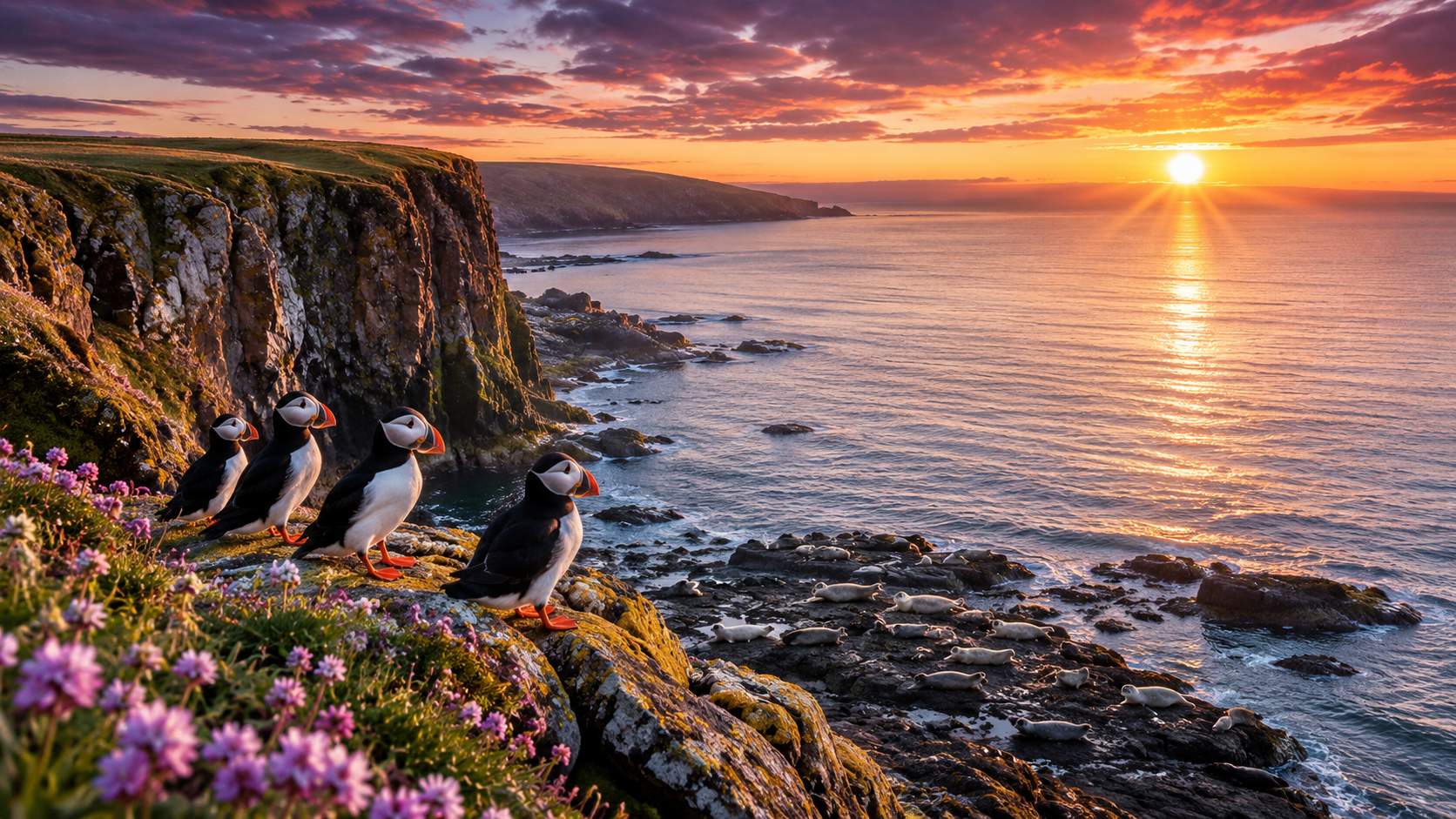
These improvements matter to the North East, where the coastline from Northumberland to County Durham supports internationally important seabird colonies and marine habitats. Visitors to places such as the Farne Islands regularly witness thriving seal colonies, puffins and other protected species that continue to benefit from ongoing conservation work.
Protected habitats are making a global difference.
Protecting wildlife is not only about saving individual species. Conserving entire ecosystems often delivers the biggest long-term benefits.
One of the world's most successful conservation initiatives, the Amazon Region Protected Areas programme, has helped safeguard millions of acres of rainforest while preventing significant deforestation and carbon emissions. Conservation experts estimate the programme has prevented around 104 million tonnes of carbon dioxide emissions while protecting vast areas of biodiversity.
Globally, governments are continuing to expand protected areas on land and at sea, recognising that healthy ecosystems support wildlife, reduce climate impacts and improve water quality.
Newcastle and the North East are playing their part.
Although many of the biggest conservation victories have taken place overseas, the North East continues to contribute to nature recovery closer to home.
Northumberland's coastline remains one of the UK's most important wildlife destinations, attracting thousands of visitors every year who come to see puffins, Arctic terns, grey seals and other protected species. Conservation organisations, volunteers and local authorities continue to restore habitats, protect breeding sites and improve biodiversity across the region.
Newcastle University also contributes to international environmental research covering biodiversity, conservation science and climate resilience, helping shape future approaches to protecting wildlife both in the UK and abroad.
Projects to restore peatlands, improve river habitats and expand woodland planting are also helping strengthen the region's natural environment while supporting carbon storage and flood resilience.
Conservation benefits people as well as wildlife.
Successful conservation projects deliver much more than healthier ecosystems.
Protected forests improve air quality, wetlands reduce flood risk and thriving marine habitats support sustainable fishing industries. Green spaces also provide important mental health benefits, while nature tourism generates valuable income for local economies.
According to WWF, large-scale conservation initiatives increasingly focus on supporting local communities alongside protecting wildlife, recognising that successful conservation depends upon people as much as nature.
This approach is becoming increasingly important as governments seek to balance environmental protection with economic growth.
The next decade could be even more important.
While recent conservation successes deserve recognition, experts warn there is still considerable work ahead.
Many species remain threatened by habitat destruction, pollution and climate change, while biodiversity loss continues in many parts of the world. However, the recovery of tigers, marine mammals and protected ecosystems demonstrates that positive outcomes are possible when long-term action is backed by sustained funding and political commitment.
For communities across Newcastle and the North East, these global success stories provide valuable inspiration. Local volunteering, wildlife-friendly gardening, supporting conservation charities and protecting nearby habitats all contribute to wider efforts that help nature recover.
The biggest conservation wins of the past decade remind us that progress is possible. While challenges remain, these achievements show that determined action can restore species, rebuild habitats and create a healthier future for both wildlife and people.
Share your thoughts below.
Which conservation success story has inspired you the most?
Lifestyle News
Global Conservation Wins That Changed the World
Advertisement





Comments (0)
You must be logged in to post comments.
Don't have an account? Register here
No comments yet. Be the first to share your thoughts!