
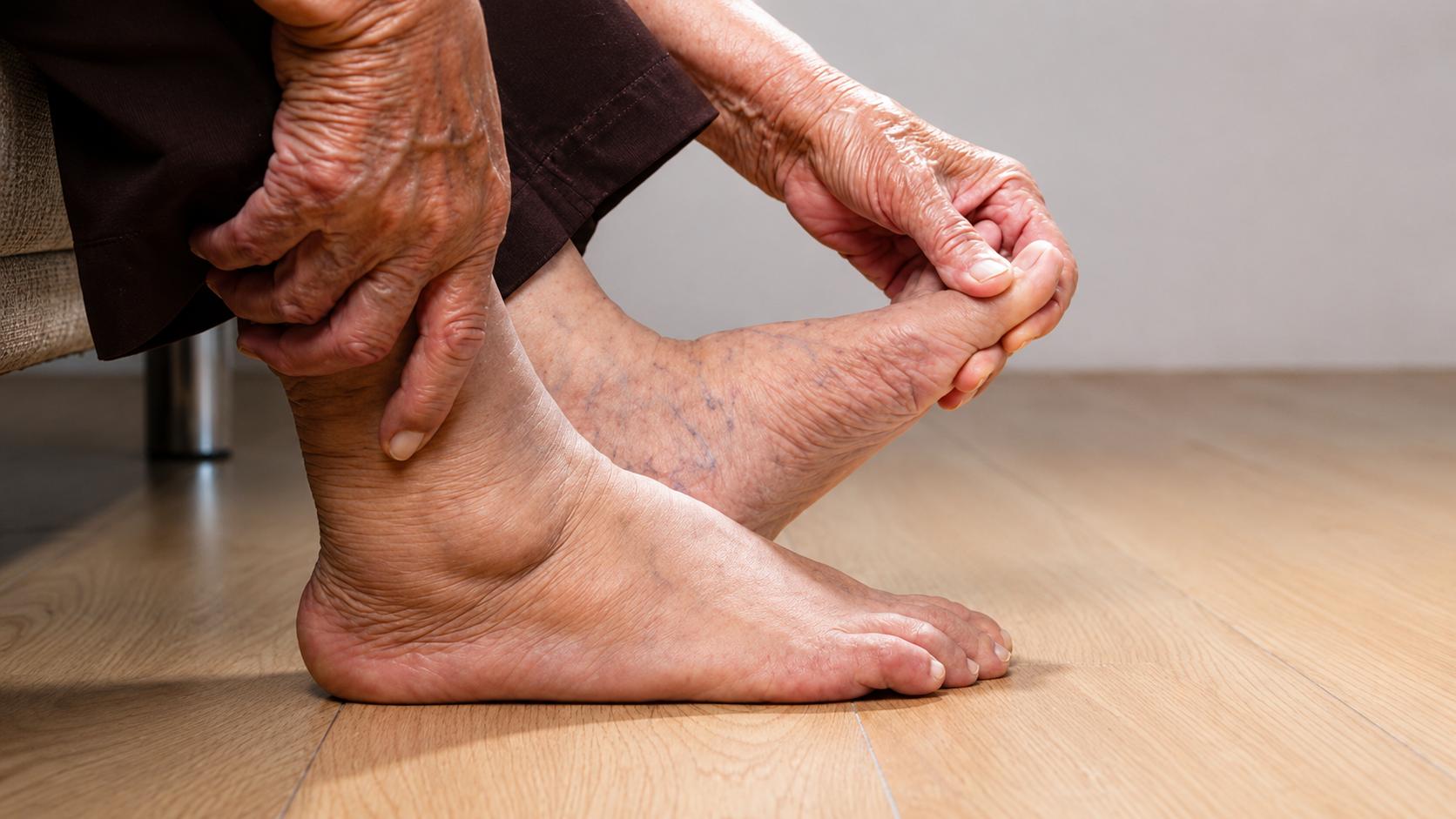
Gout is a common form of inflammatory arthritis caused by a build-up of uric acid in the blood, which can form sharp crystals within joints, triggering sudden, often genuinely severe episodes of pain, swelling and redness. It most commonly affects the joint at the base of the big toe, though it can affect other joints too, including the ankles, knees, hands and wrists.
Uric acid is a normal waste product formed when the body breaks down purines, substances found naturally in the body and in certain foods. Normally, uric acid dissolves in the blood and passes out through the kidneys in urine, but when the body produces too much uric acid, or the kidneys do not remove enough, it can build up and form the crystals responsible for a gout attack.
Several factors increase the risk of developing gout, including being male, since gout is considerably more common in men than women, being overweight, drinking excessive amounts of alcohol, particularly beer, eating a diet rich in purines from foods including red meat, offal and certain seafood, and having certain other health conditions, including kidney disease and high blood pressure.
A gout attack typically develops very quickly, often overnight, causing intense pain, swelling, warmth and redness in the affected joint, severe enough that even light pressure from bedsheets can feel genuinely unbearable. Attacks usually peak within twenty-four to thirty-six hours and, even without treatment, typically ease within one to two weeks, though treatment can significantly speed up recovery and reduce pain.
Diagnosis is generally based on the characteristic pattern and location of symptoms, sometimes supported by a blood test to measure uric acid levels, though levels can occasionally appear normal even during an actual attack. In some cases, doctors may take a small sample of fluid from the affected joint to check for the presence of urate crystals directly, confirming the diagnosis with certainty.
Treatment during a gout attack typically involves anti-inflammatory medication to reduce pain and swelling quickly, alongside rest and elevation of the affected joint. For people who experience recurrent gout attacks, doctors may prescribe medication to lower uric acid levels over the longer term, taken regularly to help prevent future attacks rather than simply treating each episode as it occurs.
Dietary and lifestyle changes can genuinely help reduce the frequency of gout attacks for many people, including limiting alcohol, particularly beer, reducing intake of purine-rich foods, maintaining a healthy weight, staying well hydrated, and, for some people, reducing intake of sugary drinks, which have also been linked with increased uric acid levels and higher gout risk.
While gout can feel genuinely alarming during an acute attack, most people find their symptoms manageable with appropriate treatment, and long-term uric acid-lowering medication can significantly reduce or even eliminate future attacks for many sufferers. Anyone experiencing sudden, severe joint pain and swelling, particularly in the big toe, should see a GP promptly for proper diagnosis and treatment.
Gout remains one of the more common reasons for sudden joint pain seen in Newcastle GP practices and local A&E departments specifically, and prompt treatment can make a genuinely significant difference to how quickly an acute attack actually settles for most patients.
Staying well hydrated specifically during hot weather or after exercise can genuinely help reduce gout risk too, since dehydration can concentrate uric acid levels within the blood, occasionally contributing to the crystal formation responsible for triggering an acute attack. Long-term prevention tends to matter just as much as treating each individual flare-up as it happens.
Working with a GP to identify and gradually address any underlying contributing health conditions, including high blood pressure or kidney problems, can also genuinely help reduce the frequency of gout attacks over the longer term for many patients. It remains a condition that responds well to a combination of prompt treatment and long-term prevention. UK Gout Society offers genuinely helpful resources and support for anyone wanting more detailed guidance on managing the condition long term.
Have your say.
Have you ever experienced a sudden gout attack yourself?
Health News
Gout Explained: Symptoms, Causes and Treatment
Gout is one of the most common forms of inflammatory arthritis, causing sudden, severe joint pain, and dietary changes alongside medication can help manage flare-ups effectively.
Advertisement





Comments (0)
You must be logged in to post comments.
Don't have an account? Register here
No comments yet. Be the first to share your thoughts!