
Hay fever, medically known as allergic rhinitis, is an extremely common allergic reaction to pollen, affecting an estimated one in five people in the UK at some point during their lives. It occurs when the immune system overreacts to pollen, treating it as a genuine threat and releasing histamine and other chemicals that trigger the familiar, often genuinely miserable, symptoms associated with the condition.
Different types of pollen cause symptoms at different times of year, meaning hay fever sufferers often notice a fairly predictable pattern to when their symptoms flare up. Tree pollen typically causes symptoms from late March through May, grass pollen, the most common trigger overall, causes symptoms from May through July, and weed pollen can cause symptoms from late June right through to September.
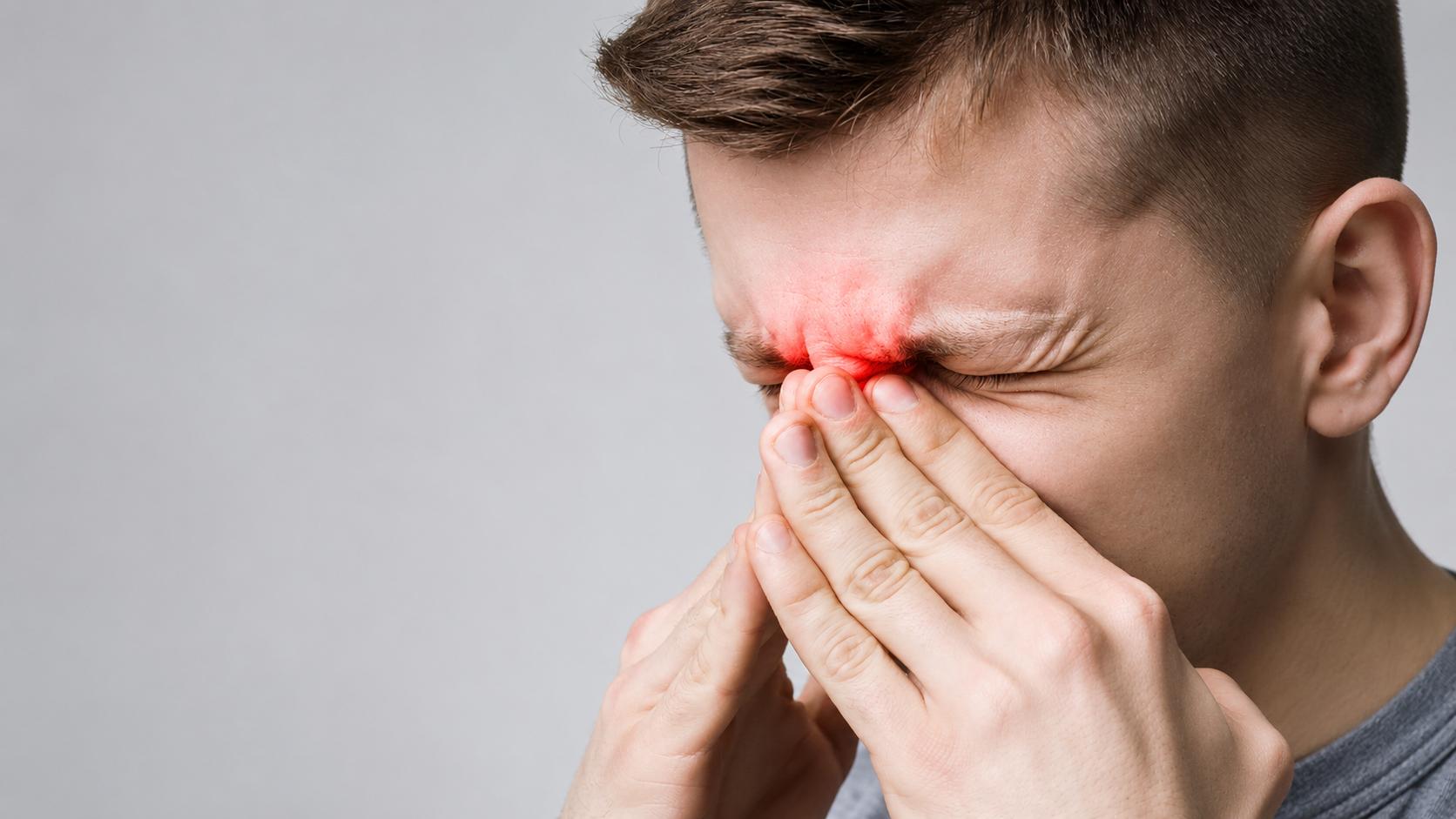
Common symptoms include sneezing, a runny or blocked nose, itchy and watery eyes, an itchy throat, mouth, nose and ears, and loss of smell. Symptoms can range from mildly annoying through to genuinely debilitating for some sufferers, sometimes affecting sleep quality and concentration considerably, particularly during peak pollen count days, typically warm, dry and breezy conditions.
Identifying which specific pollens trigger your own symptoms can genuinely help with both avoidance and treatment planning, since someone whose symptoms flare mainly in early spring likely reacts primarily to tree pollen, while someone with summer-long symptoms may be reacting to multiple pollen types across the entire season, information that can meaningfully shape the most effective treatment approach.
Simple practical measures can help reduce pollen exposure considerably, including checking daily pollen forecasts and staying indoors when counts are high, keeping windows closed during peak pollen times, particularly in the early morning and evening, wearing wraparound sunglasses outdoors, and showering and changing clothes after spending time outside to remove pollen from skin and hair.
Over-the-counter antihistamines remain the most common first-line treatment for hay fever, working by blocking the histamine response responsible for symptoms, with non-drowsy options widely available from pharmacies. Nasal sprays, either steroid-based or antihistamine-based, can also help considerably, particularly for people whose main symptoms involve a blocked or runny nose rather than eye symptoms specifically.
For people with genuinely severe hay fever that does not respond adequately to standard treatments, a GP may consider other options, including combination treatments or, for some people, immunotherapy, a longer-term treatment that gradually exposes the immune system to small amounts of the specific allergen to genuinely reduce sensitivity over time, though this option is typically reserved for more severe, persistent cases.
While hay fever cannot currently be cured, most people find a combination of trigger avoidance and appropriate treatment keeps their symptoms genuinely well managed throughout pollen season. Starting treatment slightly before symptoms typically begin each year, based on individual patterns, can also help some people stay considerably more comfortable throughout their own particular hay fever season.
Pollen counts across Newcastle and the wider North East typically peak slightly later in the year than in southern England, meaning local hay fever sufferers sometimes find their worst symptoms fall in a marginally different window compared with friends or family living further south.
Some hay fever sufferers find genuine benefit from a saline nasal rinse used daily during peak pollen season, physically washing pollen from the nasal passages before it triggers a fuller allergic reaction, a simple, drug-free addition many people find worth trying. Starting treatment early in the season tends to produce noticeably better results for most sufferers.
Washing bedding regularly during peak pollen season, and avoiding drying laundry outdoors when pollen counts are high, can also help reduce the amount of pollen brought indoors and subsequently transferred onto skin and into the airways overnight. It is a condition that becomes considerably easier to manage once personal triggers are properly identified. Allergy UK offers genuinely useful resources and support for anyone wanting more detailed advice on managing hay fever and related allergies.
Building this understanding over successive seasons genuinely helps most sufferers manage their symptoms considerably better each year.
Share your comments below.
Which time of year are your hay fever symptoms worst?
Health News
Hay Fever Explained: Symptoms, Triggers and Relief
Hay fever affects an estimated one in five people in the UK at some point in their lives, and understanding your specific pollen triggers helps considerably with managing symptoms.

Advertisement




Comments (0)
You must be logged in to post comments.
Don't have an account? Register here
No comments yet. Be the first to share your thoughts!