
Today we take for granted that healthcare is available to all, free at the point of need, but for most of history this was far from the case. Before the creation of the National Health Service, working people had to find their own ways to pay for medical care, and they developed a remarkable array of mutual and charitable arrangements to do so. The story of how working people provided for their healthcare before the NHS is a fascinating chapter in the history of health and self-help.
A World Without Free Healthcare.
For most of history, medical care had to be paid for, and the cost could be a heavy burden, particularly for working people of modest means. A serious illness could bring not only suffering but financial ruin, as the costs of treatment mounted and the breadwinner was unable to work.
In a world without free healthcare or the welfare state, working people had to find ways to provide for their medical needs and to protect themselves against the costs of illness. This challenge gave rise to a variety of arrangements, through which working people sought to secure access to healthcare and to guard against the financial consequences of sickness.
The provision of healthcare was a matter that people had to arrange for themselves.
The Friendly Societies.
Among the most important of these arrangements were the friendly societies, mutual organisations through which working people pooled their resources to provide for times of need. Members paid regular contributions to their society, and in return they received benefits in times of sickness, including payments to replace lost wages and access to medical care.
The friendly societies embodied the principle of mutual self-help, allowing working people to provide for their own welfare through collective effort. These societies were enormously important in the lives of working people, offering a measure of security against the hardships of illness, and they reflected the strong traditions of mutual support and self-reliance in the working communities of the region.
Medical Clubs and Schemes.
Alongside the friendly societies, various medical clubs and schemes enabled working people to secure access to a doctor. Through these arrangements, members paid regular small contributions in return for medical treatment when they needed it, spreading the cost and ensuring access to care.
Such schemes made it possible for working people to obtain the services of a doctor without facing ruinous bills, and they were widely used in the working communities. These medical clubs and schemes were a practical response to the challenge of paying for healthcare, allowing people of modest means to secure access to medical care through regular and affordable contributions.
They were an important part of the patchwork of provision that existed before the NHS.
The Role of Charity.
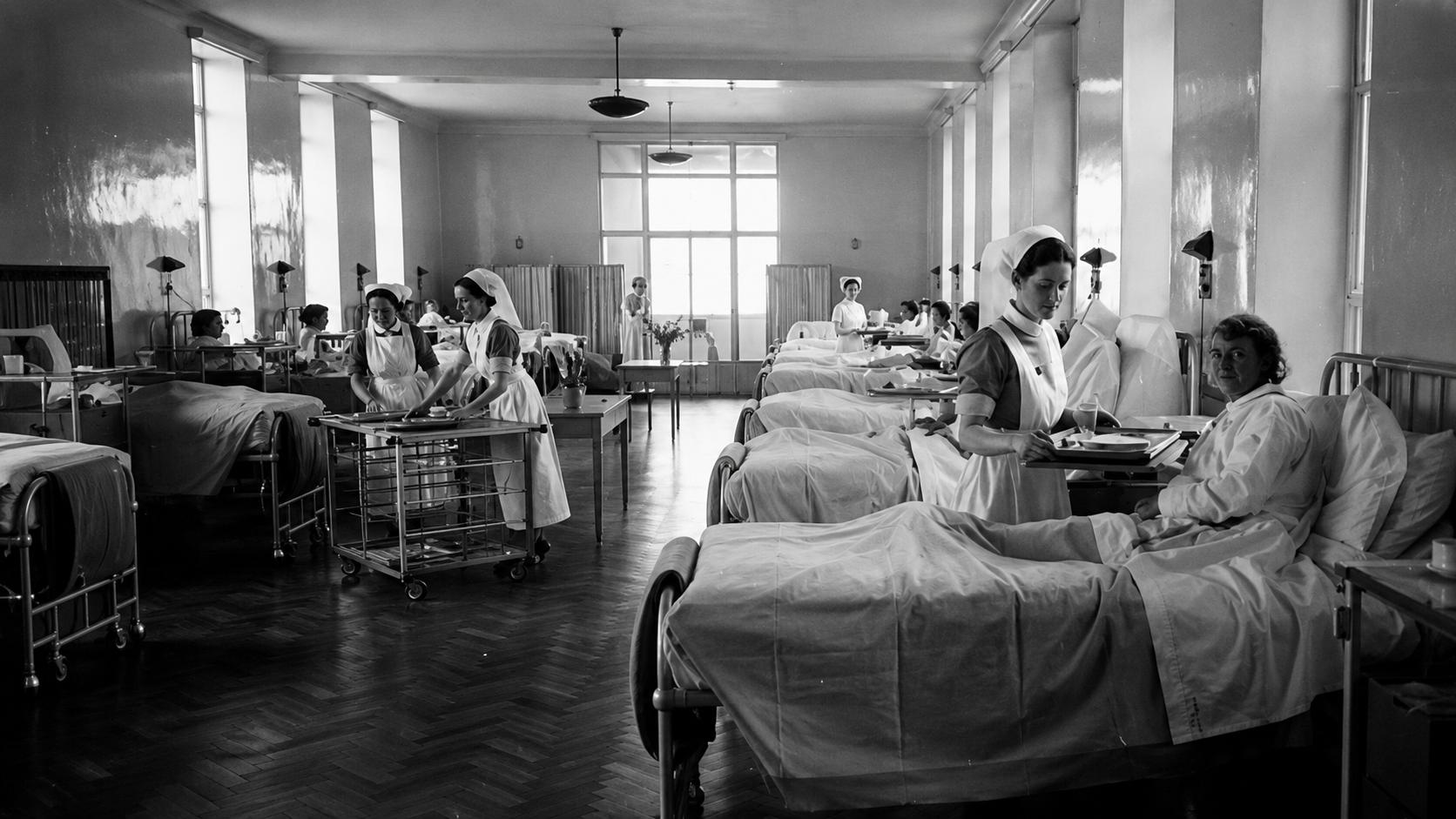
Charity also played an important part in the provision of healthcare before the NHS, particularly for the poorest, who could not afford even the contributions to a friendly society or medical club. The voluntary hospitals, funded by charitable donations, provided free treatment to the sick poor, while other charitable institutions and efforts helped to care for those in need.
The role of charity reflected the recognition that some people could not provide for their own healthcare and needed the help of the more fortunate. Charitable provision was an essential part of the system of healthcare before the NHS, filling some of the gaps left by the arrangements that depended on people's own contributions.
It reflected the charitable spirit of the community.
A Patchwork of Provision.
The healthcare available to working people before the NHS was thus a patchwork of different arrangements, including friendly societies, medical clubs, charity and the voluntary hospitals. This patchwork provided a measure of access to healthcare, but it was uneven and incomplete, and many people still struggled to obtain the care they needed.
The arrangements depended on people's ability to contribute, and those who could not afford to pay were often dependent on charity or went without. The patchwork nature of the provision meant that access to healthcare was unequal, and the system left many gaps.
It was a far cry from the universal and comprehensive provision that would come with the NHS, but it represented the best that could be achieved in the circumstances.
The Spirit of Self-Help.
The arrangements through which working people provided for their healthcare before the NHS reflected a remarkable spirit of self-help and mutual support. The friendly societies and medical clubs embodied the principle that working people could provide for their own welfare through collective effort, pooling their resources to protect against the hardships of illness.
This spirit of self-help and mutual support was a powerful and admirable feature of working-class life, and it produced institutions that did a great deal of good. The friendly societies and other mutual arrangements were a testament to the resourcefulness, the solidarity and the determination of working people to provide for themselves and one another in the face of the challenges of life.
A Vanished World.
The arrangements through which working people provided for their healthcare before the NHS belong to a vanished world, swept away by the creation of universal and free healthcare for all. The friendly societies, medical clubs and other mutual arrangements that had provided for the healthcare of working people gave way to the comprehensive provision of the NHS, which transformed access to healthcare.
Yet the story of how working people provided for their health before the NHS deserves to be remembered, for it reflects the resourcefulness, the mutual support and the self-reliance of the working communities. It reminds us of a time when healthcare had to be paid for and of the remarkable arrangements through which working people sought to secure it.
Solidarity and Survival.
The arrangements through which working people provided for their healthcare before the NHS were, at their heart, expressions of solidarity, of people coming together to support one another in the face of the hardships of illness and the costs of care.
The friendly societies and medical clubs embodied the principle that the risks and costs of illness could be shared among many, so that the burden falling on any individual was lightened and all enjoyed a measure of security. This sharing of risk and mutual support reflected a deep solidarity among working people, a recognition that they faced common hardships and could best meet them through collective effort.
In a world without the security of the welfare state, this solidarity was a matter of survival as well as principle, for the mutual arrangements provided a vital protection against the financial catastrophe that serious illness could bring. The friendly societies and medical clubs allowed working people to face the hardships of illness with greater security, knowing that they and their families would receive support and care.
This solidarity and mutual support were powerful and admirable features of working-class life, reflecting the strong sense of community and the determination to provide for one another that characterised the working communities of the region.
The arrangements that working people made for their healthcare were, in this sense, expressions of the same solidarity and mutual support that found expression in the trade unions, the co-operatives and the other institutions of working-class self-help. They reflected a recognition that, in the face of common hardships, working people were stronger together, and that mutual support offered the best protection against the risks of life.
The solidarity that underlay these arrangements is a powerful reminder of the strength of community and mutual support, and of the way in which ordinary people, through collective effort, sought to provide for their welfare and to protect one another against the hardships of illness in an age before the security of the welfare state.
Get involved.
Before the NHS, working people relied on friendly societies, medical clubs and charity to pay for healthcare.
Did your family belong to a friendly society or medical club in the days before the NHS that you know of?
Health News
Before the NHS: How Working People Paid for Healthcare
How working people in the North East paid for healthcare before the NHS, through friendly societies, medical clubs, charity and the voluntary hospitals.
Advertisement




Comments (0)
You must be logged in to post comments.
Don't have an account? Register here
No comments yet. Be the first to share your thoughts!