
High blood pressure, medically known as hypertension, is an extremely common condition affecting an estimated one in three adults in the UK. It occurs when the force of blood pushing against artery walls remains consistently too high, and over time this places extra strain on the heart and blood vessels, significantly increasing the risk of serious conditions including heart attack, stroke and kidney disease.
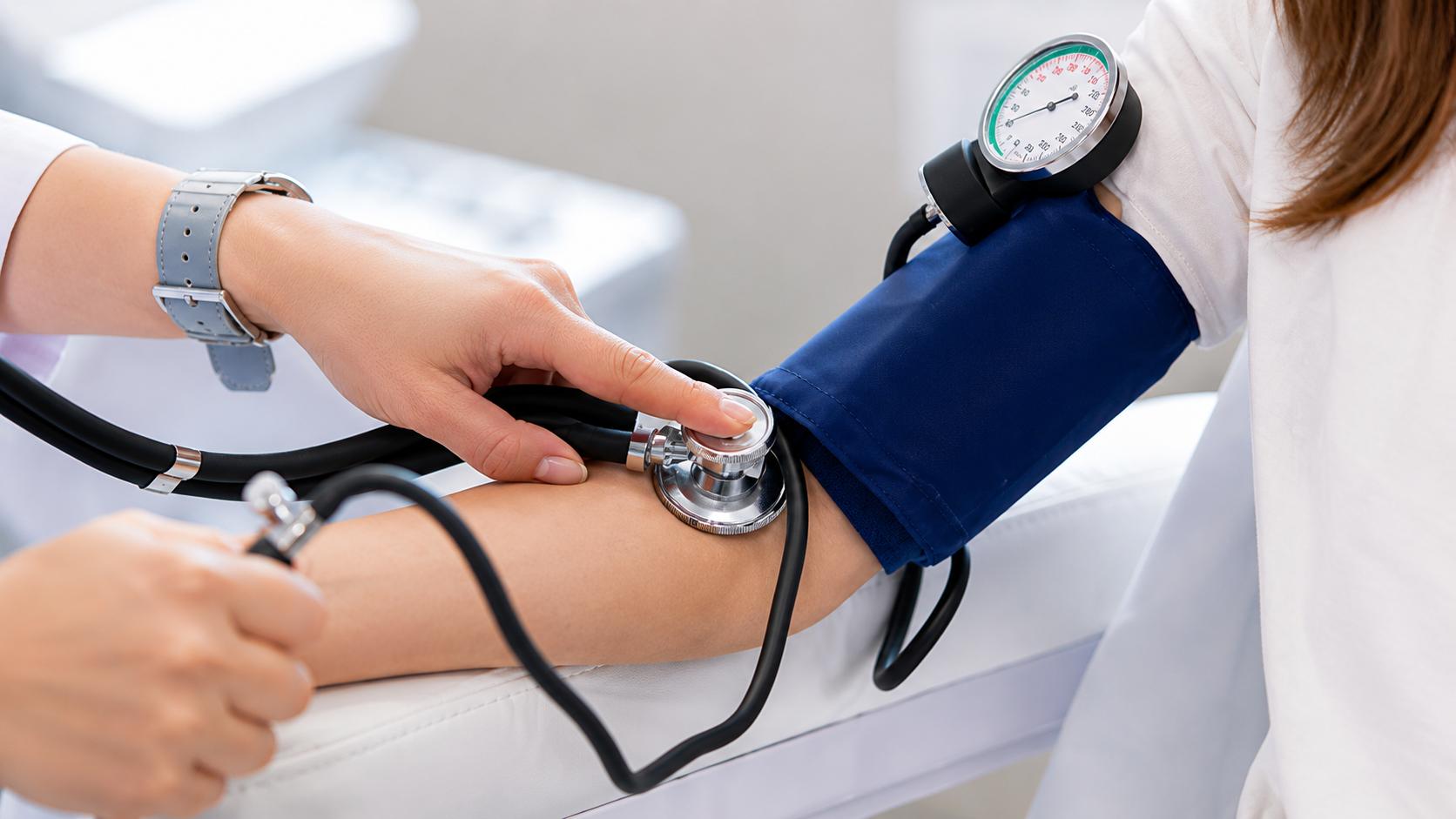
One of the most genuinely concerning aspects of high blood pressure is that it rarely causes any noticeable symptoms, earning it the nickname the "silent killer" among health professionals. Most people only discover they have high blood pressure through a routine check, whether at a GP surgery, pharmacy, or during a dedicated health check, making regular monitoring genuinely important even when feeling perfectly well.
Blood pressure readings consist of two numbers, systolic pressure, the higher number measuring pressure when the heart beats, and diastolic pressure, the lower number measuring pressure when the heart rests between beats. A reading consistently at or above 140 over 90 is generally considered high, while a healthy blood pressure typically sits below 120 over 80, though target ranges vary somewhat depending on individual circumstances.
Various factors contribute to high blood pressure risk, including being overweight, eating too much salt, not getting enough exercise, drinking too much alcohol or caffeine, smoking, and not sleeping well. Age also plays a significant role, with risk increasing considerably as people get older, alongside genetic factors, since high blood pressure often runs in families.
Lifestyle changes form the genuine foundation of managing high blood pressure for many people, including reducing salt intake, maintaining a healthy weight, exercising regularly, cutting back on alcohol and caffeine, quitting smoking, and managing stress more effectively. These changes alone are sometimes sufficient to bring blood pressure back within a healthy range, particularly when caught early.
When lifestyle changes alone are not enough to bring blood pressure under control, a GP may prescribe one or more medications, including ACE inhibitors, calcium channel blockers or diuretics, each working through a different mechanism to help lower blood pressure. Finding the right medication, or combination of medications, sometimes takes a bit of adjustment, and regular monitoring helps ensure treatment remains genuinely effective.
Left untreated over the long term, high blood pressure significantly increases the risk of serious health complications, including heart attack, stroke, heart failure, kidney disease and vision problems, making consistent management genuinely important rather than something to address only once symptoms actually appear, since by that point damage may already have occurred.
Getting blood pressure checked regularly, particularly for anyone over forty or with a family history of high blood pressure, remains one of the simplest and most effective ways to catch the condition early. Many pharmacies now offer free blood pressure checks without needing a GP appointment, making it genuinely easy for anyone concerned to get checked and take early action if needed.
Community pharmacies across Newcastle and the North East increasingly offer free blood pressure checks as part of wider NHS efforts to catch high blood pressure earlier, reflecting the genuinely significant regional health benefit of identifying and treating the condition before serious complications develop.
Home blood pressure monitors have become increasingly affordable and accurate in recent years, and many GPs now encourage patients with diagnosed or borderline high blood pressure to take regular readings at home, providing a genuinely fuller picture than occasional surgery-based checks alone. Consistent monitoring over time tends to reveal far more than any single isolated reading ever could.
Reducing processed and convenience foods, which often contain considerably more hidden salt than home-cooked meals, represents one of the more effective and genuinely sustainable ways many people manage to lower their blood pressure through diet alone. It remains one of the most important, and most preventable, risk factors for serious illness later in life. Blood Pressure UK offers genuinely useful resources for anyone wanting to better understand their own readings and what they actually mean.
Share your comments below.
When did you last get your blood pressure checked?
Health News
High Blood Pressure: Symptoms, Causes and How to Lower It
High blood pressure affects around one in three adults in the UK, often without any noticeable symptoms at all, making regular checks genuinely important for everyone.
Advertisement


Comments (0)
You must be logged in to post comments.
Don't have an account? Register here
No comments yet. Be the first to share your thoughts!