
In an age before the welfare state, the care of the poor, the elderly and the infirm depended heavily on charity, and one of the most important forms that charity took was the almshouse. The North East has a rich heritage of such institutions, and among the finest survivals is Holy Jesus Hospital in Newcastle, a handsome historic building that recalls a long tradition of charitable provision. Its story illuminates the history of charity and care in the region.
The Almshouse Tradition.
The almshouse is one of the oldest forms of charitable institution, providing accommodation and support for those in need, particularly the elderly and the poor. For centuries, almshouses were established by charitable individuals, guilds and other bodies to offer shelter and assistance to those who could not provide for themselves, embodying a tradition of charity and care that long predated modern systems of welfare. These institutions reflected a sense of charitable duty and a concern for the welfare of the less fortunate, and they provided vital support to many vulnerable people. The almshouse tradition is an important part of the social history of the region.
Holy Jesus Hospital.
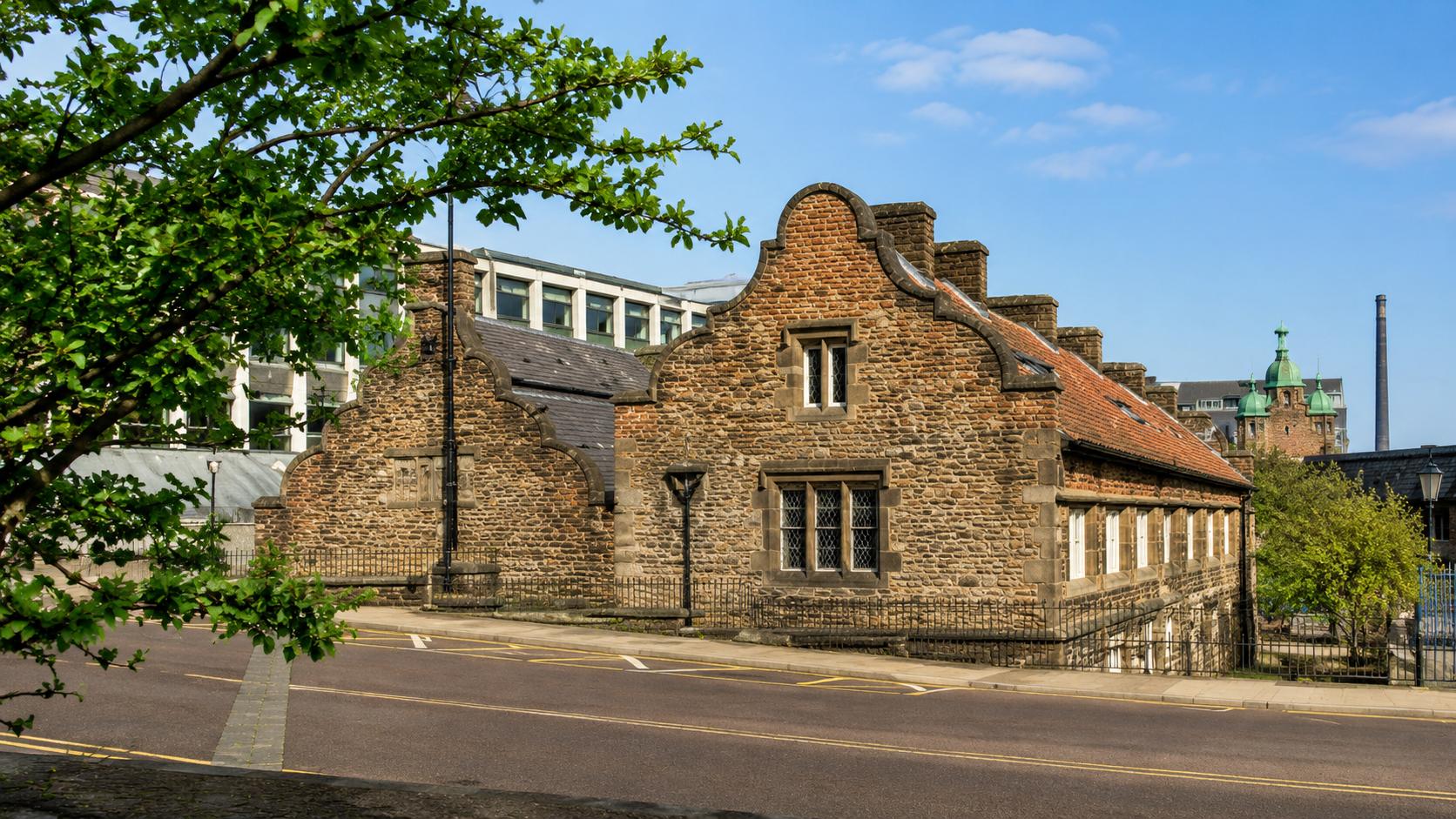
Among the most notable of the North East's historic charitable institutions is Holy Jesus Hospital in Newcastle, a fine building dating from the seventeenth century. Established as a charitable institution to provide for those in need, it stands as a handsome reminder of the long tradition of almshouses and charitable provision in the city. The building is an important part of Newcastle's architectural and social heritage, and its survival allows us to glimpse the ways in which the care of the vulnerable was provided in earlier centuries. Holy Jesus Hospital is a treasured historic building and a tangible link to the charitable past.
Caring for the Vulnerable.
The charitable institutions of the past, including the almshouses, played a vital role in caring for the most vulnerable members of society. In an era without the safety net of modern welfare, those who fell on hard times, the elderly without means, the sick and the poor, depended on charity for their survival, and institutions such as the almshouses offered them shelter, support and dignity. These institutions, though limited in what they could provide, met a real and pressing need, and they reflected a recognition of the duty to care for the less fortunate. They were an essential part of the fabric of charitable care in the region.
A Heritage of Giving.
The tradition of almshouses and charitable institutions reflects a long and honourable heritage of giving and charitable concern in the North East. Throughout the history of the region, charitable individuals and bodies established institutions to support those in need, motivated by a sense of duty, faith or compassion. This heritage of giving, of providing for the welfare of the community and the care of the vulnerable, is an important and admirable part of the region's history. The almshouses and other charitable foundations stand as monuments to this spirit of generosity and concern for others, a spirit that has long characterised the region.
Echoes in the Present.
The charitable tradition embodied by the almshouses finds echoes in the present day, in the many charities and community organisations that continue to support those in need across the region. While the welfare state has transformed the provision of care, charity and community support remain vital, and the spirit that animated the founders of the almshouses lives on in the work of countless charitable organisations today. The continuity of this tradition of giving and care, from the historic almshouses to the charities of the present, is a heartening reflection of the enduring compassion of the community. The values of the past continue to inspire the present.
Preserving the Heritage.
The preservation of historic charitable buildings such as Holy Jesus Hospital is important for maintaining the link to this rich heritage. As one of Newcastle's notable historic buildings, the hospital has been cared for and preserved, allowing its history and significance to be appreciated by present and future generations. The conservation of such buildings ensures that the story of charity and care in the region is not forgotten, and that these tangible reminders of the past continue to enrich the city. The preservation of this heritage is a valuable way of honouring the charitable tradition and the people it served.
A Legacy of Compassion.
Holy Jesus Hospital and the almshouse tradition it represents are an important part of the heritage of the North East, recalling a long history of charity and care for the vulnerable. From the historic almshouses that sheltered the needy to the charitable spirit that endures in the present day, the region has a proud tradition of compassion and giving. The fine old building of Holy Jesus Hospital stands as a monument to this tradition, a reminder of the ways in which earlier generations cared for those in need. It is a legacy of compassion that deserves to be remembered, preserved and honoured.
Caring Before the Welfare State.
The almshouses and charitable institutions of the past offer a fascinating window into the ways in which society cared for its most vulnerable members before the advent of the modern welfare state.
In earlier centuries, there was no comprehensive system of state support for the poor, the elderly, the sick or the destitute, and the care of those in need depended on a patchwork of provision that included charity, the church, local arrangements and institutions such as the almshouses. While this provision was often limited and inadequate by modern standards, it nonetheless represented a serious attempt to address the needs of the vulnerable, motivated by charitable concern, religious duty and a sense of social responsibility.
Studying these historic arrangements helps us to understand the challenges faced by earlier generations and the ways in which they sought to meet them, and it offers perspective on the development of social welfare over the centuries.
The almshouses, in particular, reflected a recognition that the elderly and the poor deserved shelter and support, and they provided, within their limits, a measure of security and dignity to those who would otherwise have been destitute. The contrast with the modern welfare state highlights both how far provision for the vulnerable has advanced and how enduring the underlying challenges remain. It also reminds us of the long tradition of charitable concern for the vulnerable, a tradition that predates the welfare state and that continues alongside it.
The history of the almshouses thus illuminates an important aspect of the social history of the region, and of the enduring human concern to care for those in need.
Have your say.
Holy Jesus Hospital recalls a long North East tradition of charity and care for the vulnerable.
What do you think we can learn from the region's long heritage of charitable giving?
Community News
Shelter and Charity: Holy Jesus Hospital and the Almshouse Tradition
A look at Holy Jesus Hospital and the North East almshouse tradition, recalling centuries of charitable provision and care for the vulnerable in the region.
Advertisement





Comments (0)
You must be logged in to post comments.
Don't have an account? Register here
No comments yet. Be the first to share your thoughts!