

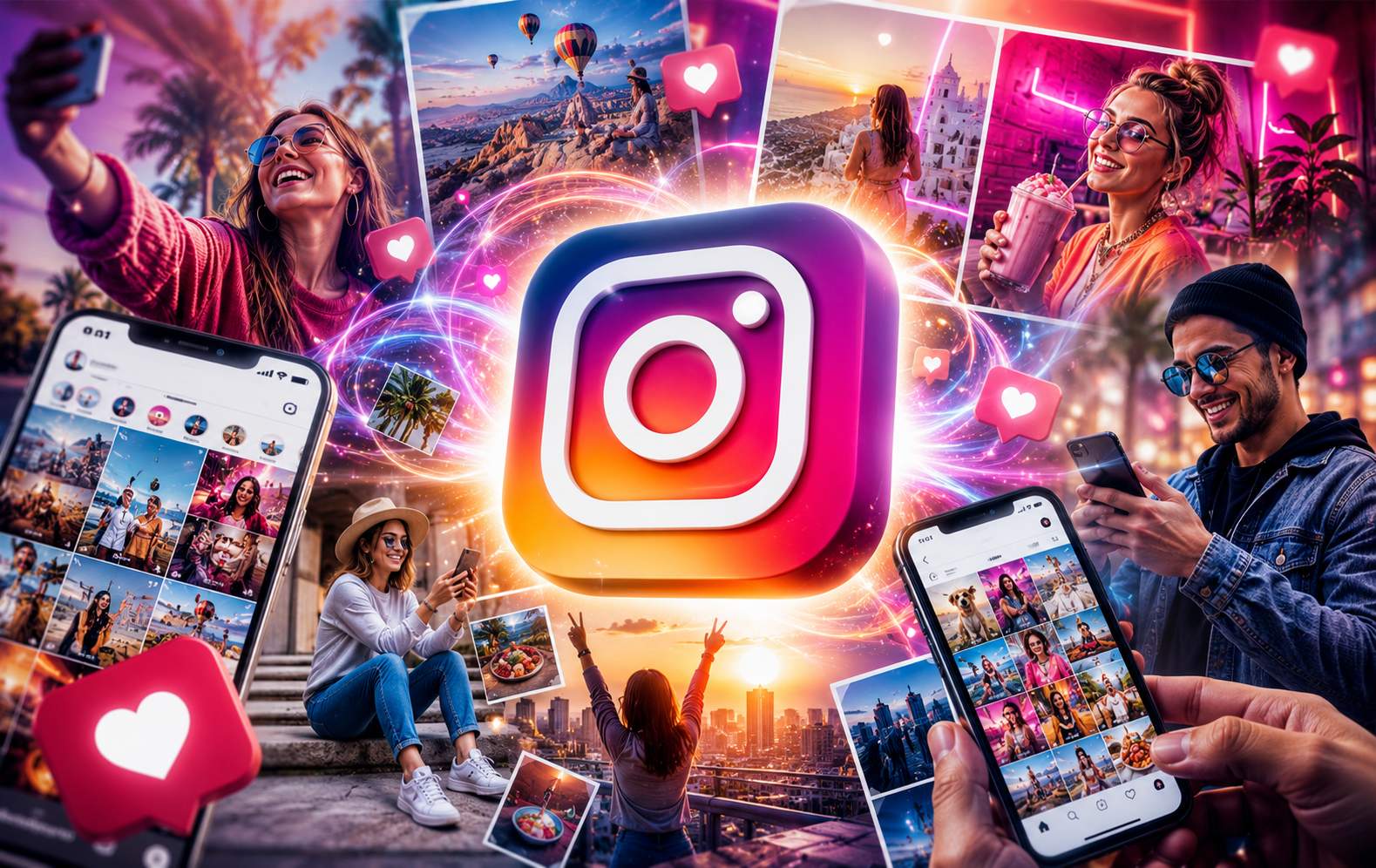
Few social media platforms have influenced internet culture as dramatically as Instagram. What began as a simple photo-sharing app quickly evolved into one of the world's most powerful digital platforms, shaping everything from fashion and travel to marketing, celebrity culture and online business.
Since launching in 2010, Instagram has transformed how people share their lives online. The app introduced a more visual and lifestyle-focused form of social media that helped redefine internet trends and online identity. Over time, Instagram became far more than just a place to upload photos. It developed into a global platform for influencers, brands, creators and everyday users alike.
Even with growing competition from TikTok, Snapchat and newer apps, Instagram remains one of the most used social media platforms in the world. Its ability to evolve alongside changing internet habits has helped it stay at the centre of digital culture for more than a decade.
How Instagram First Started.
Instagram was launched in October 2010 by Kevin Systrom and Mike Krieger. The app originally focused entirely on mobile photography, allowing users to upload square-shaped photos enhanced with filters that gave images a polished and artistic look.
At the time, smartphone photography was beginning to grow rapidly, but there were few social platforms built specifically around mobile images. Instagram arrived at the perfect moment and quickly attracted users who wanted a faster, cleaner and more visually appealing alternative to traditional social networks.
The app's simplicity became one of its biggest strengths. Users could take photos, apply filters and instantly share them with followers in seconds. This easy-to-use format helped Instagram gain millions of users incredibly quickly.
Within just two months of launching, Instagram had already reached one million users, highlighting the enormous demand for visual social media experiences.
Facebook's Purchase Changed Instagram Forever.
In 2012, Facebook purchased Instagram for approximately $1 billion. At the time, many industry analysts considered the price shocking for a relatively small photo-sharing app.
However, the acquisition quickly proved to be one of the smartest deals in social media history. Facebook provided Instagram with the infrastructure, financial support and advertising systems needed to scale globally.
Over the following years, Instagram expanded far beyond photography. Video uploads, Stories, direct messaging, shopping tools and Reels transformed the platform into a complete social media ecosystem.
The connection with Facebook also allowed businesses and advertisers to use advanced marketing tools across both platforms, helping Instagram become one of the most valuable advertising platforms in the world.
Instagram Redefined Online Identity.
Unlike older social networks that focused heavily on text updates and conversations, Instagram prioritised aesthetics, lifestyle and visual storytelling.
The platform encouraged users to carefully curate profiles that reflected their interests, personalities and lifestyles. This shift changed online behaviour significantly and helped create influencer culture as it exists today.
Travel photography, fashion content, fitness accounts and food photography all exploded in popularity partly because of Instagram's visual-first design. People no longer used social media purely for communication. They increasingly used it to build personal brands and public identities.
Instagram also played a major role in changing how businesses marketed themselves online. Brands realised that visually appealing content could attract huge audiences and directly influence consumer behaviour.
Who Mainly Uses Instagram Today.
Instagram remains especially popular among younger audiences, although its user base spans multiple age groups worldwide.
People aged between 18 and 34 continue to make up a major portion of Instagram's audience, particularly for entertainment, fashion, fitness, travel and influencer content. However, older demographics have increasingly embraced the platform as Instagram expanded its features over the years.
Celebrities, musicians, athletes and influencers continue driving large amounts of activity across the app, helping Instagram remain closely tied to pop culture and internet trends.
Businesses also rely heavily on Instagram for branding and customer engagement. Restaurants, clothing brands, gyms and online creators regularly use the platform to reach audiences through photos, videos and Stories.
Its visual nature makes Instagram especially effective for industries built around appearance, creativity and lifestyle presentation.
Instagram Stories Changed Social Media.
One of Instagram's biggest turning points came in 2016 with the introduction of Instagram Stories.
The feature allowed users to post temporary photos and videos that disappeared after 24 hours. Stories quickly became massively popular because they encouraged more casual and spontaneous sharing compared to carefully curated profile posts.
The format also changed user behaviour across social media. Instead of focusing only on polished permanent content, users could now share everyday moments more freely throughout the day.
Stories became so influential that nearly every major social platform eventually copied the feature in some form. Snapchat originally pioneered temporary content, but Instagram successfully brought the concept into mainstream culture.
Today, Stories remain one of Instagram's most heavily used features.
Instagram Reels Helped Compete With TikTok.
As TikTok exploded in popularity during the late 2010s and early 2020s, Instagram faced increasing pressure to adapt.
In response, Instagram launched Reels in 2020, introducing short-form vertical videos designed to compete directly with TikTok's viral content style. Reels quickly became one of the platform's most important features and significantly changed how Instagram users create and consume content.
The shift towards video transformed Instagram from a primarily photo-based platform into a more entertainment-focused app. Music trends, comedy clips, tutorials and viral challenges became central parts of the Instagram experience.
Reels also gave creators more opportunities to grow audiences quickly through algorithm-driven discovery rather than relying solely on followers.
What Makes Instagram Different From Other Platforms.
One of Instagram's biggest strengths is its balance between personal social networking, entertainment and professional branding.
TikTok focuses heavily on viral entertainment, while platforms like LinkedIn prioritise professional networking. Instagram sits somewhere in the middle, allowing users to combine lifestyle sharing, business promotion and entertainment within one app.
The platform also places stronger emphasis on aesthetics than most competitors. Visual quality, branding and presentation remain central to Instagram culture.
Another major difference is the way Instagram blends multiple content formats together. Users can share photos, Stories, Reels, live streams, direct messages and shopping content all within one platform.
This versatility helps Instagram appeal to influencers, businesses, creators and everyday users simultaneously.
Instagram Became a Business and Influencer Giant.
Few platforms have had a bigger impact on influencer marketing than Instagram.
The app helped create an entirely new economy built around sponsored content, brand partnerships and digital influence. Influencers across fitness, beauty, travel and fashion industries now generate huge incomes through Instagram promotions and collaborations.
Businesses also heavily depend on Instagram advertising because of the platform's visual appeal and audience targeting systems. Small businesses especially benefit from Instagram's ability to showcase products directly to highly engaged audiences.
Features like Instagram Shopping further strengthened the platform's role within online retail by allowing users to purchase products directly through posts and videos.
For many brands, Instagram has become one of the most important marketing tools in the digital world.
Criticism and Challenges Facing Instagram.
Despite its popularity, Instagram has faced increasing criticism over issues surrounding mental health, unrealistic beauty standards and social comparison.
Critics argue that the platform's focus on appearance and curated lifestyles can negatively affect self-esteem, particularly among younger users. Concerns surrounding filters, editing tools and influencer culture have also sparked wider debates about authenticity online.
Instagram has additionally faced competition from TikTok, forcing the platform to continually adapt and evolve its features.
Privacy concerns, advertising overload and algorithm changes have also frustrated some users over recent years. However, Instagram's ability to adapt quickly has helped it remain highly relevant despite growing competition.
Why Instagram Still Matters in 2026.
Even after more than 15 years online, Instagram remains one of the most influential social media platforms because of its ability to evolve alongside internet culture.
The app continues blending entertainment, communication, shopping and branding into one highly visual experience. For creators, businesses and influencers, Instagram remains one of the most valuable online platforms for audience growth and digital marketing.
Its integration with Meta's wider ecosystem, including Facebook and Threads, also strengthens its long-term position within social media.
While internet trends constantly shift, Instagram's adaptability continues helping it remain at the centre of online culture.
Instagram Continues to Shape Internet Trends.
Instagram's impact on modern life goes far beyond social networking alone. The platform helped redefine influencer culture, online branding, visual marketing and digital identity for an entire generation of users.
From fashion trends and viral travel destinations to product launches and celebrity culture, Instagram continues influencing how people present themselves and interact online every day.
As social media continues evolving, Instagram remains one of the platforms most responsible for shaping the internet as people know it today.
Do you still use Instagram regularly or has another social media platform replaced it for you?
Tech News
How Instagram Went From Photo App to Global Powerhouse
Advertisement


Comments (0)
You must be logged in to post comments.
Don't have an account? Register here
No comments yet. Be the first to share your thoughts!