
For decades, Newcastle has been recognised as one of the UK's leading university cities, attracting thousands of students every year from across Britain and overseas. While that continues to bring huge economic benefits to local businesses, it is also having an increasingly noticeable impact on the city's housing market.
From Jesmond and Heaton to Shieldfield and Sandyford, demand for student accommodation is influencing rental prices, changing neighbourhoods and affecting the availability of homes for local residents.
As Newcastle prepares for another academic year, experts say the relationship between student housing and the wider rental market has become one of the biggest housing issues facing the city.
A growing student population is increasing demand.
Newcastle University alone has more than 27,000 students, including over 25,700 studying in Newcastle, while Northumbria University is one of the UK's largest universities with tens of thousands more students based in the city. Together, they create one of the largest student populations anywhere outside London.
That demand has helped fuel a significant expansion in both traditional shared student housing and purpose-built student accommodation over the past decade.
Despite the growth in new developments, many students continue to prefer shared houses in established communities such as Jesmond, Heaton and Sandyford, where they can often split costs while enjoying easy access to university campuses and the city centre.
Newcastle rents continue to climb.
The latest Office for National Statistics figures highlight just how much pressure exists within the local rental market.
Average private rents in Newcastle reached approximately £1,204 per month in May 2026, representing annual growth of 10.3 percent. That compares with an average monthly rent of £776 across the North East, meaning Newcastle remains one of the region's most expensive rental markets.
Although not every increase can be linked directly to students, housing specialists say strong student demand limits the number of properties available for other renters, particularly close to the city centre and university campuses.
Competition between students, young professionals and families has become increasingly common in some neighbourhoods.
Purpose-built student accommodation is changing the market.
One of the biggest shifts has been the rapid growth of purpose-built student accommodation, often referred to as PBSA.
Modern developments now offer gyms, cinema rooms, study areas, communal lounges and bills included within weekly rents. Across Newcastle, several new schemes have opened or are under construction to help meet demand from both domestic and international students.
Industry analysts say these developments have helped reduce pressure on traditional student housing in some locations, but they have also introduced premium accommodation that commands significantly higher rents than many shared houses.
This has created a two-tier student housing market, with some students choosing modern private developments while others continue searching for more affordable shared homes.
Local communities are feeling the impact.
Areas popular with students have experienced noticeable changes over recent years.
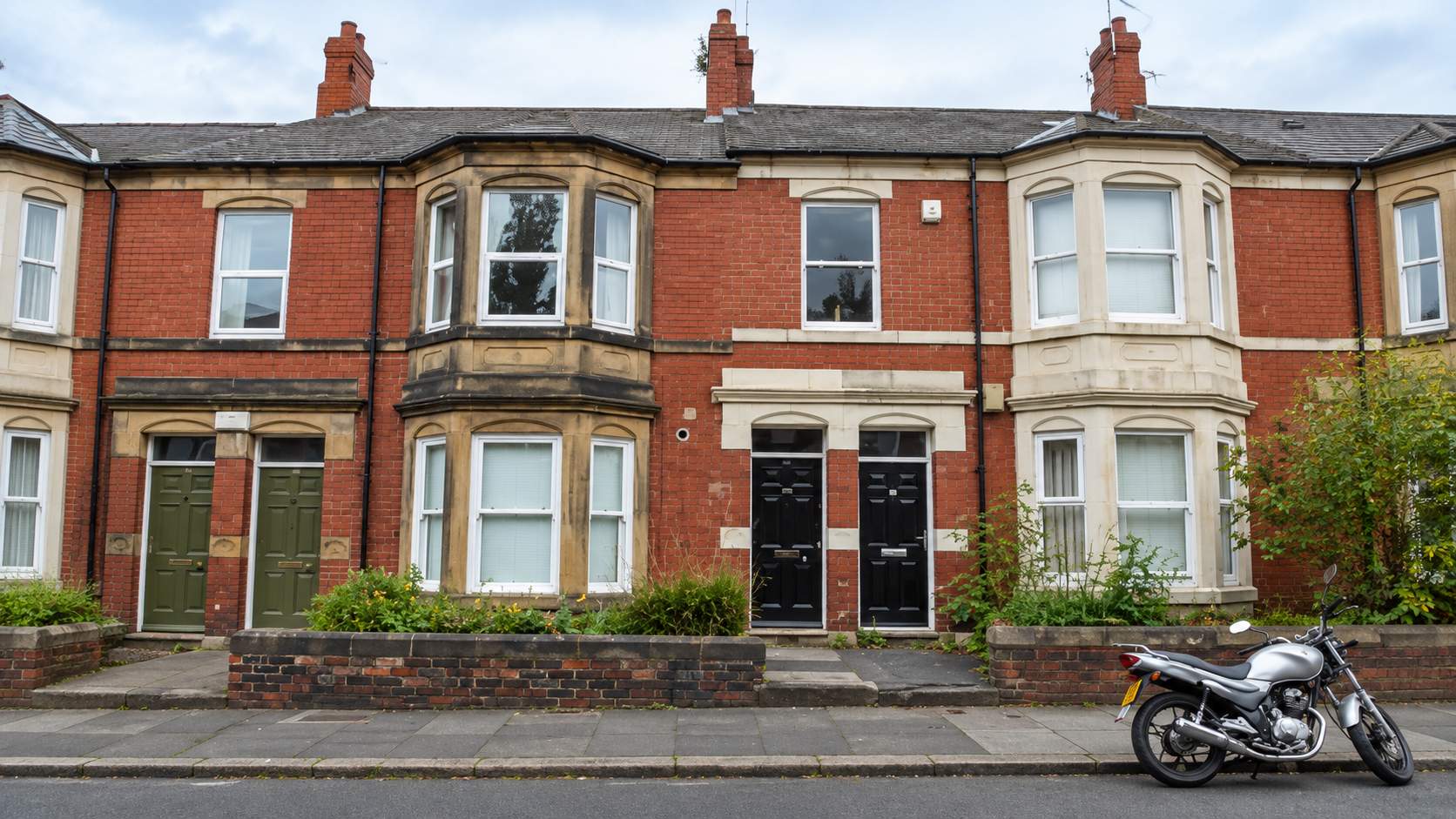
Landlords have increasingly converted family homes into Houses in Multiple Occupation, commonly known as HMOs, to meet student demand. While these properties play an important role in accommodating university populations, residents in some areas have raised concerns about noise, parking, refuse collection and the gradual reduction in family housing.
Councils across England have increasingly introduced planning controls for HMOs in an effort to balance student accommodation with the needs of permanent residents.
In Newcastle, maintaining that balance remains an ongoing challenge as demand continues to grow.
Affordability remains a concern for students.
Although Newcastle is regularly ranked among the UK's most affordable student cities, living costs continue to rise.
Newcastle University estimates that the average UK student now spends just over £1,100 per month, with accommodation representing the largest single expense. University-managed accommodation typically ranges from around £543 to £924 per month, depending on room type and facilities.
Students renting privately often face additional costs including utility bills, broadband and transport, making affordability an increasingly important factor when choosing where to live.
For many, sharing larger houses with friends remains the most cost-effective option.
The wider economy also benefits.
Student housing does not simply affect landlords.
The annual arrival of thousands of students supports local supermarkets, cafes, restaurants, public transport, entertainment venues and independent retailers across Newcastle.
Estate agents, letting agents, tradespeople and maintenance companies also benefit from the high level of activity generated by the student rental market.
Universities themselves contribute billions of pounds to regional economies through employment, research and visitor spending, meaning student accommodation remains a vital part of Newcastle's economic success.
What happens next for Newcastle's rental market.
Looking ahead, the city is likely to see further investment in purpose-built student accommodation while demand for traditional shared housing remains strong.
The challenge for planners will be ensuring enough homes remain available for local residents while continuing to support Newcastle's reputation as one of Britain's leading university cities.
With private rents continuing to rise and housing demand showing little sign of slowing, the relationship between student accommodation and the wider rental market will remain a closely watched issue across the North East.
Finding the right balance between supporting higher education and protecting housing affordability may prove to be one of Newcastle's biggest challenges over the coming years.
Join the discussion below.
Are rising student numbers changing your local neighbourhood or rental costs in Newcastle?
Student Life
How Students Are Changing Newcastle Rents

Advertisement




Comments (0)
You must be logged in to post comments.
Don't have an account? Register here
No comments yet. Be the first to share your thoughts!