
The River Tyne has been pivotal in shaping Newcastle's travel identity, influencing its development as a major transport hub. From historical trade routes to modern tourism, the river's presence has fostered economic growth and cultural exchange, making it integral to the city's connectivity and character.
The River as a Trade Route.
The River Tyne has long been a vital artery for trade and commerce in Newcastle. Historically, it served as a crucial link between the North Sea and the inland regions of England. This strategic position allowed Newcastle to flourish as a centre of trade, particularly during the Industrial Revolution when coal exports from the region were at their peak. The river facilitated the movement of goods and resources, contributing significantly to the city's economic prosperity.
The Tyne's role as a trade route dates back to Roman times when it was used to transport goods such as wool, grain, and timber. Over the centuries, the river became increasingly important for shipping coal, which was mined extensively in the surrounding areas. The development of coal staithes along the riverbanks enabled efficient loading of coal onto ships, further cementing Newcastle's status as a key player in the coal trade.
Bridges and Connectivity.
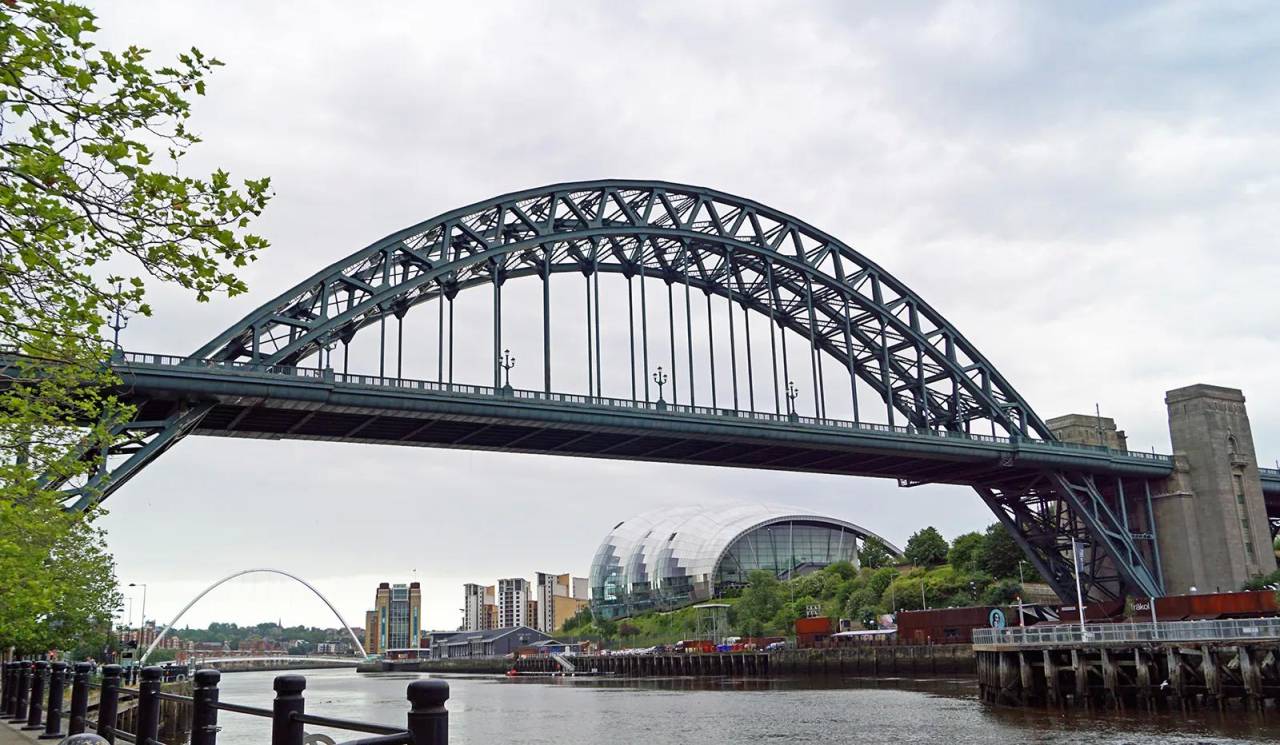
In contemporary times, the River Tyne continues to play a crucial role in Newcastle's transportation network. The construction of iconic bridges such as the Tyne Bridge and the Millennium Bridge has not only enhanced connectivity across the river but also become symbols of the city itself. These structures facilitate the movement of people and vehicles, linking Newcastle with Gateshead and beyond.
The Tyne Bridge, completed in 1928, is particularly noteworthy for its engineering prowess and aesthetic appeal. It serves as a vital link for road traffic, while also offering pedestrian access, thereby integrating different modes of transport. The Millennium Bridge, opened in 2001, is a pedestrian and cyclist bridge that adds a modern touch to the city's infrastructure. Its innovative tilting mechanism allows ships to pass underneath, highlighting the ongoing importance of river traffic.
A Magnet for Visitors.
The River Tyne is not just a conduit for trade and transport; it is also a magnet for tourism and cultural activities. The picturesque quayside area has been revitalised in recent years, transforming into a vibrant hub of restaurants, bars, and cultural venues. This development has attracted both domestic and international tourists, eager to experience the unique blend of history and modernity that Newcastle offers.
Cultural landmarks such as the BALTIC Centre for Contemporary Art and The Sage Gateshead are situated along the riverbank, drawing visitors with their world-class exhibitions and performances. These venues contribute to Newcastle's reputation as a cultural destination, with the river providing a scenic backdrop that enhances the overall visitor experience.
Challenges and Opportunities.
While the River Tyne has been instrumental in shaping Newcastle's travel identity, it also presents environmental challenges that need to be addressed. Pollution from industrial activities has historically affected water quality, necessitating concerted efforts to clean up the river and restore its ecological balance. Initiatives such as the Tyne Rivers Trust have been established to monitor and improve water quality, ensuring that the river remains a viable resource for future generations.
Moreover, the river offers opportunities for sustainable transport solutions. The potential for increased use of water taxis and ferries could reduce road congestion and lower carbon emissions, aligning with broader environmental goals. By investing in eco-friendly transport options, Newcastle can continue to leverage the river's strategic position while minimising its environmental footprint.
Driving Growth and Innovation.
The economic impact of the River Tyne on Newcastle cannot be overstated. Its role as a transport hub has attracted businesses and industries to the region, fostering innovation and growth. The presence of port facilities along the river supports maritime industries, while also facilitating international trade.
Furthermore, the river's influence extends to sectors such as real estate and urban development. The regeneration of waterfront areas has led to increased property values and investment opportunities. As businesses seek to capitalise on the river's strategic location, Newcastle continues to evolve as a dynamic economic centre.
A Lasting Legacy.
The River Tyne remains an integral part of Newcastle's travel identity, shaping its past, present, and future. From its historical significance as a trade route to its modern role in transportation and tourism, the river continues to influence the city's development in myriad ways. As Newcastle navigates contemporary challenges such as environmental sustainability and economic diversification, the River Tyne will undoubtedly remain at the heart of its journey towards progress and prosperity.
Travel News
How the River Tyne Shapes Newcastles Vibrant Travel Identity
The River Tyne has been pivotal in shaping Newcastle's travel identity, influencing its development as a major transport hub. From historical trade routes to modern tourism, the river's presence has fostered economic growth and cultural exchange, making it integral to the city's connectivity and character. The...
Advertisement



Comments (0)
You must be logged in to post comments.
Don't have an account? Register here
No comments yet. Be the first to share your thoughts!