
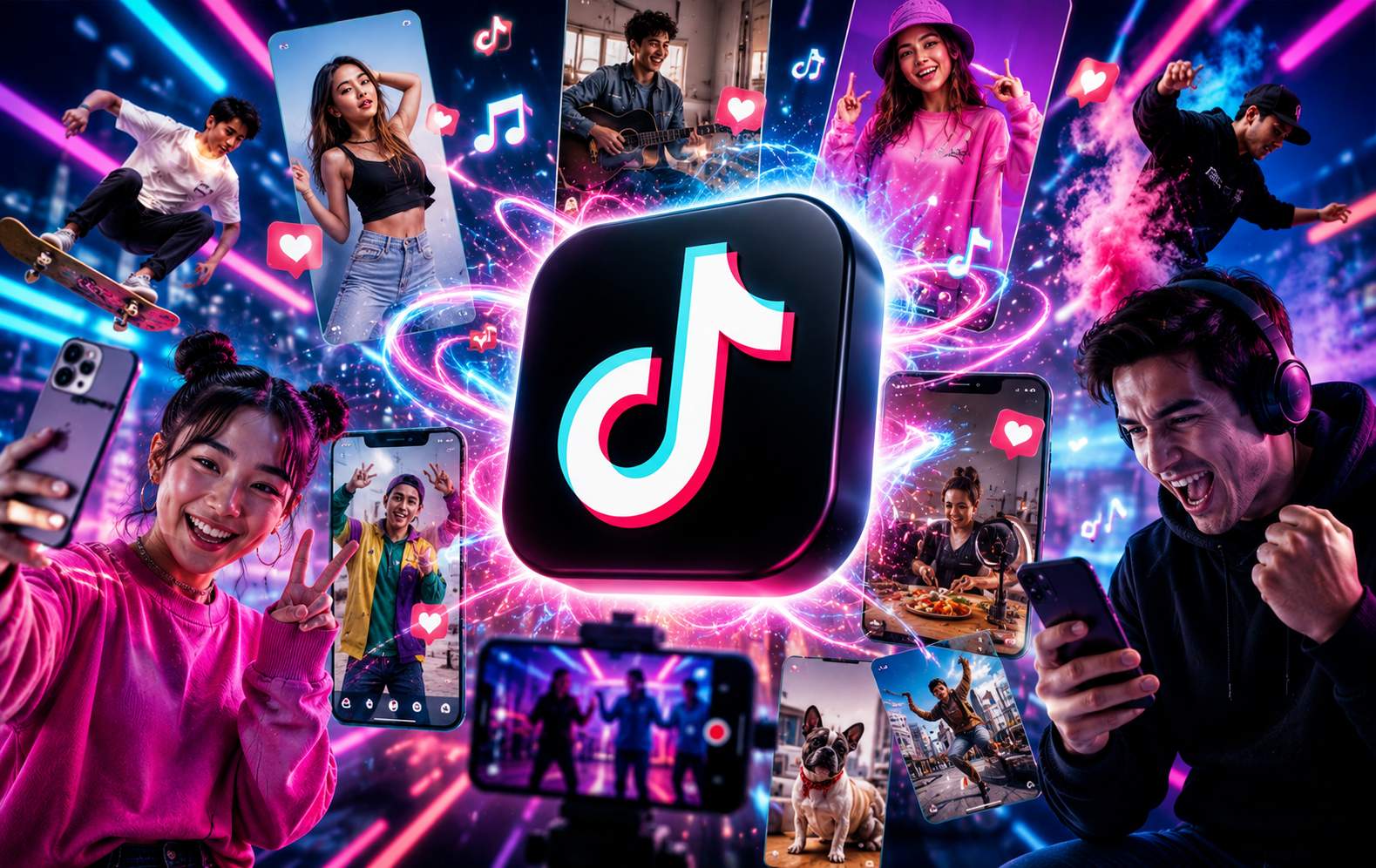
Few social media platforms have grown as quickly or influenced internet culture as dramatically as TikTok. In less than a decade, the app transformed from a relatively unknown short-video platform into one of the most downloaded and talked-about apps in the world.
TikTok completely changed how people consume content online. Instead of relying heavily on followers or friend networks, the platform built its success around algorithms capable of instantly delivering personalised entertainment to users. The result was an addictive and highly engaging social media experience that reshaped digital culture almost overnight.
Today, TikTok influences everything from music charts and fashion trends to politics, marketing and global entertainment. While critics continue raising concerns about privacy and screen time, the platform remains one of the most powerful forces in social media.
How TikTok First Started.
TikTok traces its roots back to the Chinese technology company ByteDance, which launched a short-video app called Douyin in China during 2016. The platform became hugely successful domestically and ByteDance quickly recognised its international potential.
In 2017, ByteDance launched TikTok globally and later merged it with Musical.ly, a lip-syncing app that already had a large young audience in Europe and North America. This merger played a huge role in accelerating TikTok's growth outside China.
The app focused on short-form vertical videos paired with music, effects and editing tools that allowed users to create content quickly and easily. Unlike older social media platforms that often required polished content or large follower counts, TikTok encouraged spontaneity and creativity.
This simple formula proved incredibly effective.
TikTok's Algorithm Changed Social Media Forever.
One of the biggest reasons behind TikTok's explosive growth is its recommendation algorithm.
Unlike platforms that mainly prioritise posts from friends or followed accounts, TikTok built its experience around the "For You Page", a personalised feed designed to constantly learn user interests and behaviour.
The algorithm quickly became known for its ability to surface highly engaging videos almost instantly, even from creators with no followers. This dramatically changed how social media worked because users no longer needed huge audiences to go viral.
People could upload a single video and suddenly reach millions of viewers overnight. This created a level of opportunity and unpredictability that many competing platforms struggled to match.
TikTok's recommendation system also made the app incredibly addictive because users constantly received fresh, personalised content tailored to their interests.
Who Mainly Uses TikTok Today.
TikTok initially gained popularity among teenagers and younger audiences, but its user base has expanded significantly over recent years.
People aged between 16 and 34 remain the platform's core audience, particularly for entertainment, comedy, fashion, beauty and lifestyle content. However, older demographics are increasingly using TikTok as well, especially for cooking, business advice, fitness and educational videos.
One of TikTok's biggest strengths is its broad appeal across different interests and communities. The app supports everything from dance trends and gaming clips to financial advice and long-form storytelling.
Businesses, celebrities and politicians now actively use TikTok because of its enormous reach and influence over internet trends.
The platform's ability to quickly shape public conversations has made it one of the most culturally influential apps in the world.
TikTok Redefined Online Entertainment.
Before TikTok, most social media platforms were built around photos, status updates or longer-form videos. TikTok changed that by proving short-form vertical video could dominate internet attention spans.
The app encouraged faster, more energetic and highly edited content designed to capture attention within seconds. Music, humour, trends and viral challenges became central parts of the TikTok experience.
This style of content quickly spread across the internet and influenced nearly every major social platform. Instagram launched Reels, YouTube introduced Shorts and Snapchat expanded Spotlight largely because of TikTok's success.
TikTok did not just create trends - it changed how the internet itself consumes entertainment.
Music and Viral Trends Exploded Through TikTok.
One of TikTok's most significant impacts has been its influence on the music industry.
Songs regularly become global hits purely because they trend on TikTok. Viral dances, audio clips and challenges often drive millions of streams on music platforms within days.
Artists and record labels now actively design marketing strategies around TikTok because of its ability to rapidly expose songs to younger audiences. Unknown musicians have launched major careers entirely through viral TikTok videos.
The platform also transformed meme culture. Trends spread globally at extraordinary speed, with certain sounds, jokes and editing styles dominating online conversations for weeks at a time.
Few platforms have ever influenced internet culture as quickly or intensely as TikTok.
What Makes TikTok Different From Other Platforms.
TikTok stands apart from other social media apps because it prioritises discovery over social connections.
Platforms like Facebook and Instagram mainly revolve around following friends, influencers or accounts directly. TikTok instead focuses heavily on recommending content users may enjoy regardless of whether they follow the creator.
This creates a more entertainment-focused experience rather than a relationship-driven one.
TikTok also places stronger emphasis on creativity and editing tools than many competitors. Features such as filters, music libraries, green screens and sound effects allow users to produce engaging videos quickly without professional equipment.
The platform's pace also feels much faster than traditional social media. Trends can emerge, peak and disappear within days, creating a constantly changing environment that keeps users returning frequently.
TikTok Became a Marketing Giant.
Businesses rapidly recognised TikTok's marketing potential as the platform exploded in popularity.
Brands now spend huge amounts on TikTok advertising, influencer partnerships and viral campaigns designed specifically for younger audiences. The app's algorithm allows content to spread organically far more easily than on some competing platforms, making it especially attractive for businesses seeking rapid visibility.
Small businesses also benefit heavily from TikTok. Restaurants, online stores and independent creators regularly go viral through short videos that attract huge audiences almost instantly.
TikTok Shop further expanded the platform's business ecosystem by integrating shopping directly into videos and livestreams.
This combination of entertainment and commerce helped TikTok become one of the most powerful digital marketing platforms in the world.
Criticism and Controversy Surrounding TikTok.
Despite its popularity, TikTok has faced significant criticism and controversy.
Privacy concerns have remained one of the platform's biggest challenges, particularly regarding data collection and ByteDance's Chinese ownership. Several governments have debated restrictions or bans over security concerns linked to user information.
Critics have also raised concerns about screen addiction, mental health and the impact of fast-paced short-form content on attention spans. Many experts argue that TikTok's endless scrolling format encourages excessive screen time among younger users.
Content moderation has also been heavily scrutinised, with debates surrounding misinformation, harmful trends and inappropriate content appearing regularly.
Despite these criticisms, TikTok continues growing rapidly worldwide.
Why TikTok Still Dominates in 2026.
Even with increasing competition from Instagram Reels, YouTube Shorts and newer platforms, TikTok remains dominant because of its cultural influence and unmatched recommendation system.
The app continues shaping music, fashion, internet humour and viral culture at a level few competitors can replicate. TikTok's ability to make ordinary users feel discoverable also keeps creators heavily invested in the platform.
Unlike older social networks built around maintaining existing relationships, TikTok thrives because it constantly introduces users to new content and creators.
This discovery-first model remains one of its biggest advantages.
TikTok Continues to Shape Internet Culture.
TikTok's influence now extends far beyond social media alone. The platform affects entertainment, advertising, politics, language and even consumer behaviour on a global scale.
Internet trends increasingly begin on TikTok before spreading to other platforms and mainstream media. Brands, musicians, celebrities and businesses all monitor TikTok closely because of its ability to influence public attention so rapidly.
As social media continues evolving, TikTok remains one of the platforms most responsible for defining what internet culture looks like today.
Whether people love it or criticise it, TikTok has fundamentally changed how the modern internet works.
Do you still spend hours scrolling TikTok or have other social media platforms replaced it for you?
Tech News
How TikTok Took Over the Internet in Just a Few Years
Advertisement




Comments (0)
You must be logged in to post comments.
Don't have an account? Register here
No comments yet. Be the first to share your thoughts!