
Mention virtual reality to most people and gaming headsets are usually the first thing that comes to mind. While gaming certainly remains VR's most visible and widely recognised use, the technology has quietly expanded into a genuinely wide range of practical applications well beyond entertainment in recent years.
Healthcare has emerged as one of the more significant areas for practical VR application, with the technology increasingly used for pain management distraction techniques, exposure therapy for anxiety and phobias, and detailed surgical training simulations that allow medical students to practise complex procedures repeatedly in a completely risk-free virtual environment before ever working on a real patient.
Education has also embraced virtual reality as a genuinely valuable teaching tool, allowing students to explore historical sites, examine detailed three-dimensional models of complex scientific concepts, or undertake virtual field trips to locations that would otherwise be impractical or prohibitively expensive to visit in person as part of a standard school or university trip.
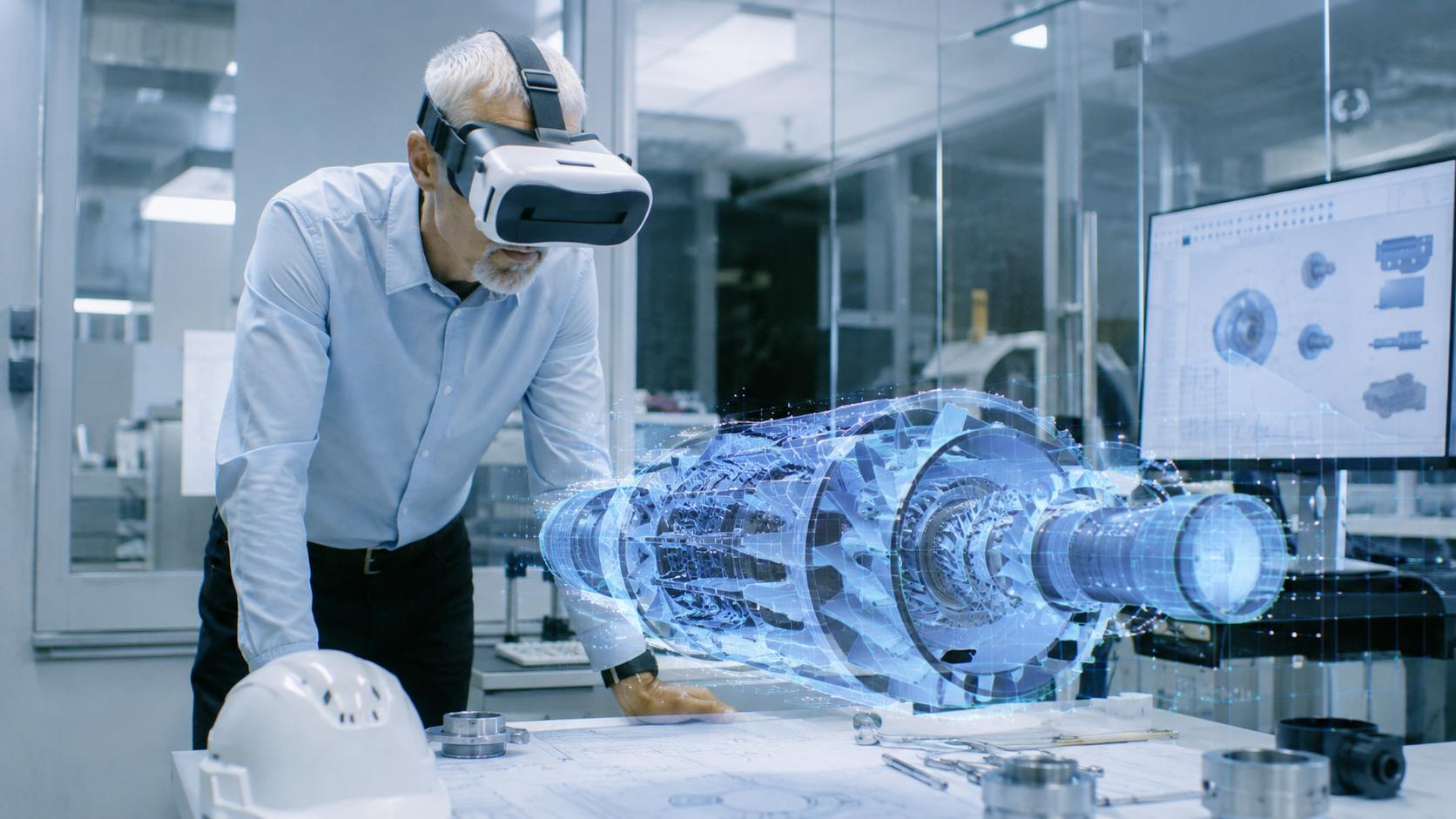
Workplace training programmes across a range of industries have increasingly adopted VR simulations for scenarios that would be genuinely dangerous, expensive or simply impractical to recreate physically for training purposes, including fire safety drills, complex machinery operation and hazardous manufacturing environments, all of which can be practised repeatedly and safely within a virtual setting.
Architecture and construction firms have found VR particularly useful for allowing clients to virtually walk through a proposed building design before construction actually begins, offering a considerably more intuitive, immersive sense of scale and space than traditional two-dimensional plans or even more conventional three-dimensional computer renderings can typically provide.
Mental health treatment has become another genuinely promising area of application, with therapists using carefully controlled virtual environments to help patients gradually confront specific fears or anxieties in a safe, fully controllable setting, an approach that has shown genuinely encouraging results for certain types of phobia and anxiety-related treatment.
Universities and research institutions across the North East, including those based at Newcastle Helix, have increasingly explored VR applications across several of these practical fields, reflecting the technology's growing relevance well beyond its more widely recognised gaming and entertainment applications.
Retail and tourism businesses have also begun experimenting with VR as a genuinely engaging marketing and customer experience tool, allowing potential customers to virtually preview a product, experience or destination before committing to a purchase or booking, an application that continues to expand as the underlying hardware becomes more affordable and widely available.
Accessibility applications represent a further genuinely promising area, with VR increasingly explored as a tool for helping people with certain physical or cognitive conditions experience activities and environments that might otherwise be difficult or impossible for them to access directly, offering a genuinely meaningful practical benefit well beyond entertainment alone.
Cost of VR hardware has fallen considerably compared with the technology's earlier years, making it a genuinely realistic investment for schools, healthcare providers and smaller businesses that might once have considered the technology far too expensive to seriously consider for anything beyond entertainment or gaming purposes.
As VR hardware continues to become more affordable, comfortable and genuinely accessible to a wider range of organisations, its practical applications across healthcare, education, workplace training and beyond look set to keep expanding considerably, well beyond the gaming headsets most people still automatically associate with the technology.
It is a technology still finding its fullest potential well beyond the entertainment applications most people first associate with it. Its steadily expanding range of practical, real-world uses suggests this is a technology built to last well beyond any passing entertainment trend. That breadth of application is precisely what makes the technology worth watching closely in the years just ahead.
Share your comments below.
Have you tried virtual reality for anything besides gaming?
Tech News
How Virtual Reality Is Being Used Beyond Gaming
Virtual reality is no longer just a gaming novelty, with the technology increasingly finding practical, genuinely useful applications across healthcare, education and training.
Advertisement


Comments (0)
You must be logged in to post comments.
Don't have an account? Register here
No comments yet. Be the first to share your thoughts!