
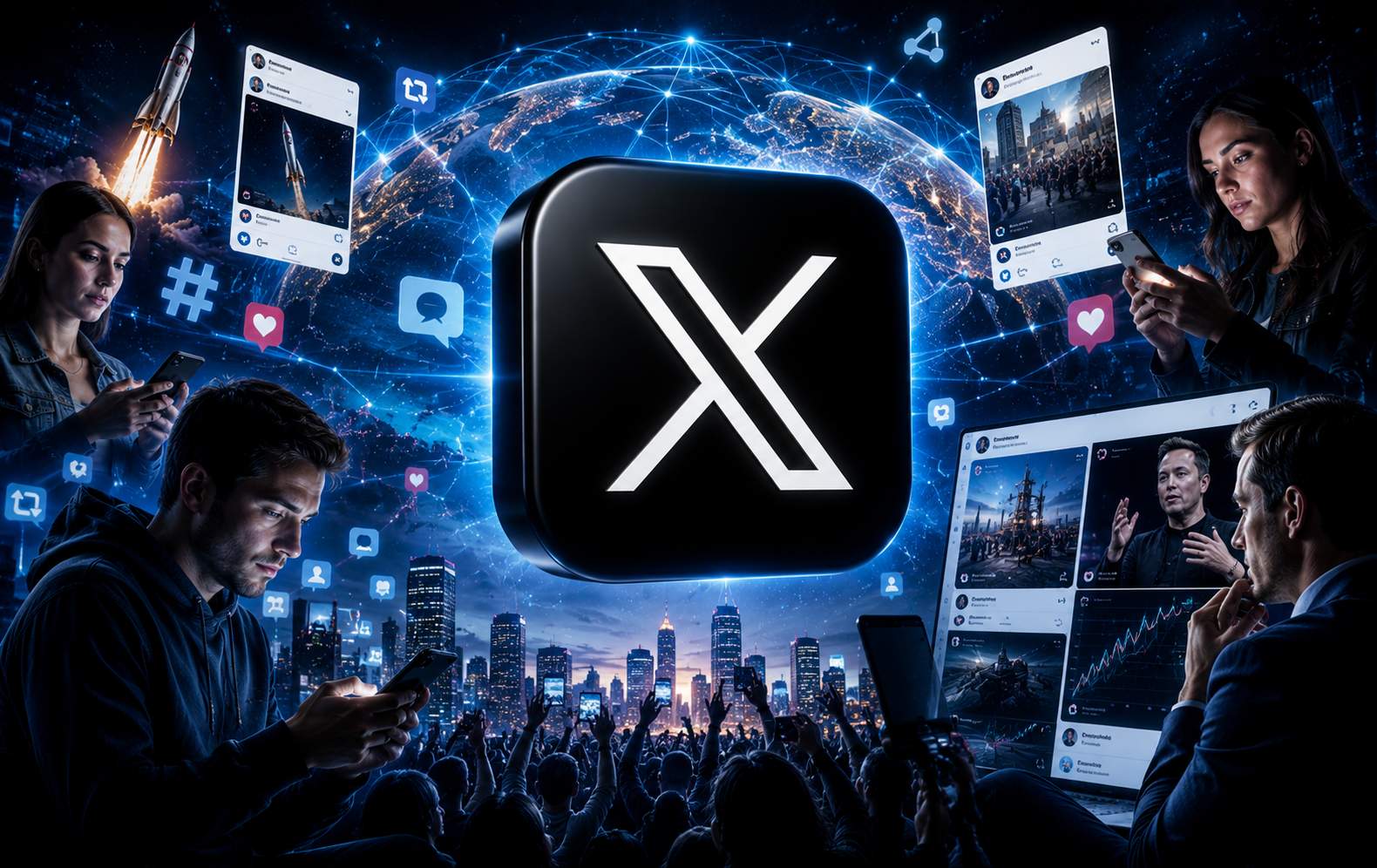
Few social media platforms have influenced public conversation as dramatically as X, formerly known as Twitter. Since launching in 2006, the platform has changed how people consume breaking news, discuss politics, follow celebrities and communicate in real time online.
Unlike social media platforms focused heavily on photos or entertainment, Twitter originally built its identity around fast-paced public conversation. The app became known for short posts, viral reactions and instant global discussions surrounding everything from sports and politics to entertainment and world events.
After billionaire Elon Musk purchased Twitter in 2022 and rebranded it as X in 2023, the platform entered one of the most controversial and heavily discussed periods in its history. Despite criticism, competition and major changes to its identity, X continues to remain one of the world's most influential digital platforms.
How Twitter First Started.
Twitter was launched in March 2006 by Jack Dorsey, Biz Stone, Evan Williams and Noah Glass. The platform was originally designed around a very simple idea - allowing users to share short status updates with friends and followers.
At first, posts were limited to just 140 characters because of mobile text messaging restrictions at the time. This limitation unexpectedly became one of Twitter's defining features because it encouraged short, direct and fast-moving communication.
Early users often posted simple updates about daily activities, but the platform quickly evolved into something much larger. Journalists, celebrities and public figures realised Twitter allowed them to communicate directly with audiences instantly without relying on traditional media outlets.
This direct communication style helped Twitter grow rapidly during the late 2000s.
Twitter Changed Breaking News Forever.
One of Twitter's biggest impacts was transforming how breaking news spreads online.
Major global events, celebrity stories, sports updates and political developments increasingly appeared on Twitter before reaching television or news websites. The platform became known for real-time reactions and instant updates from eyewitnesses around the world.
Journalists quickly embraced Twitter because it provided immediate access to trending topics and public discussion. News organisations also used the platform to distribute headlines rapidly and engage directly with audiences.
Events such as elections, protests and major sporting moments often unfolded live on Twitter, helping the platform become deeply connected with global conversation and internet culture.
This real-time structure remains one of X's biggest strengths even today.
Who Mainly Uses X Today.
X attracts a very different audience compared to many other social media platforms.
Journalists, politicians, businesses, sports fans, celebrities and technology communities remain among the platform's most active users. People often use X to follow live updates, discuss trending topics and participate in public debates.
The platform is especially popular among users interested in current events and real-time information. Unlike Instagram or TikTok, which focus heavily on visual entertainment, X remains centred around conversation and opinion.
Sports communities are also extremely active on X, particularly during live matches and major events. Television shows, entertainment launches and gaming announcements regularly trend across the platform within minutes.
Although younger audiences increasingly use TikTok and Instagram for entertainment, X still maintains strong influence because of its connection to news, politics and cultural discussion.
What Made Twitter Different From Other Platforms.
Twitter stood apart from competitors because of its simplicity and speed.
While Facebook focused on personal relationships and Instagram prioritised visual content, Twitter became a platform built around public communication. Users could directly interact with celebrities, politicians, journalists and major brands in ways that felt immediate and accessible.
The platform's open structure also encouraged wider conversation. Posts could spread rapidly through retweets, replies and trending topics, allowing discussions to reach global audiences extremely quickly.
Hashtags became another defining feature. Originally created by users themselves, hashtags helped organise conversations around specific topics and events. This system later spread across nearly every major social media platform.
Twitter's role as a live conversation platform gave it a completely different identity compared to entertainment-focused competitors.
The Rise of Viral Culture on Twitter.
Twitter played a huge role in shaping internet humour, memes and viral culture.
Short posts, reaction images and trending jokes spread incredibly quickly across the platform, influencing online conversations worldwide. Many viral phrases, internet memes and cultural moments first gained traction through Twitter before spreading elsewhere online.
The platform's fast-moving nature also encouraged direct interaction between users, celebrities and brands. Some companies built huge online followings purely through humorous or clever tweets that resonated with internet culture.
This conversational style made Twitter feel more immediate and less polished than platforms built around carefully curated content.
Elon Musk's Purchase Changed the Platform.
In October 2022, Elon Musk officially acquired Twitter in one of the most talked-about technology deals in recent history.
The takeover immediately triggered major changes across the company. Staff reductions, policy shifts and changes to verification systems generated enormous public debate about the future of the platform.
In 2023, Musk officially rebranded Twitter as X, replacing the platform's iconic bird logo and attempting to reposition the app as part of a broader "everything app" vision combining communication, payments, video and social networking.
The rebrand proved highly controversial because Twitter's original branding had become one of the most recognisable identities in internet history.
Despite criticism, the name X remains central to Musk's long-term ambitions for the platform.
X Expanded Beyond Text Posts.
While Twitter originally focused heavily on short text updates, X now supports much wider content formats including long-form posts, videos, livestreams and subscription content.
The platform increasingly competes with YouTube, TikTok and podcast platforms as creators and businesses use video content more heavily. Musk has repeatedly stated ambitions to turn X into a multi-purpose digital platform rather than simply a social media app.
Paid verification systems and creator monetisation tools were also introduced more aggressively following the rebrand, helping creators generate income directly through audience engagement.
These changes reflect how social media platforms are increasingly blending multiple digital services together.
Criticism and Controversy Surrounding X.
Throughout its history, Twitter and later X have faced significant criticism regarding misinformation, online harassment and moderation policies.
The platform has often been accused of amplifying toxic behaviour because of its highly public and fast-moving nature. Political debates, celebrity controversies and misinformation campaigns regularly dominate headlines connected to the platform.
Since Elon Musk's takeover, debates surrounding content moderation and free speech have intensified further. Critics argue that moderation changes increased harmful content visibility, while supporters claim the platform became more open to public debate.
Advertising challenges have also affected X, with some major brands reducing spending on the platform during periods of controversy.
Despite these issues, X remains highly influential because of its role within global media and public discussion.
Why X Still Matters in 2026.
Even with growing competition from Threads, Bluesky and other platforms, X remains one of the internet's most influential real-time communication platforms.
Politicians, journalists, businesses and public figures still rely heavily on X for announcements, reactions and breaking updates. The platform continues shaping daily news cycles and online conversation worldwide.
Its open structure and real-time nature make it uniquely suited for live events, political discussion and fast-moving public debate. Few competitors currently replicate the same level of instant public interaction.
Although its identity has changed significantly since the Twitter era, X still occupies a central role within internet culture.
X Continues to Influence Global Conversation.
From politics and sports to celebrity culture and breaking news, X remains one of the most powerful conversation platforms in the digital world.
The transition from Twitter to X marked one of the most dramatic rebrands in technology history and its long-term success under Elon Musk continues generating intense global interest.
Whether users love the platform or criticise it, there is little doubt that X continues shaping how information spreads online every day.
As social media evolves further, X's influence over real-time digital conversation remains difficult to ignore.
Do you still call the platform Twitter or have you fully switched to calling it X?
Tech News
How X Changed Online News and Social Media Forever
Advertisement




Comments (0)
You must be logged in to post comments.
Don't have an account? Register here
No comments yet. Be the first to share your thoughts!