
Newcastle has long enjoyed a reputation as one of the UK's friendliest cities, but how does it compare when it comes to clean streets? While there is no single nationwide league table ranking every city, recent environmental reports and council initiatives provide a clear picture of where Newcastle stands against other major urban areas.
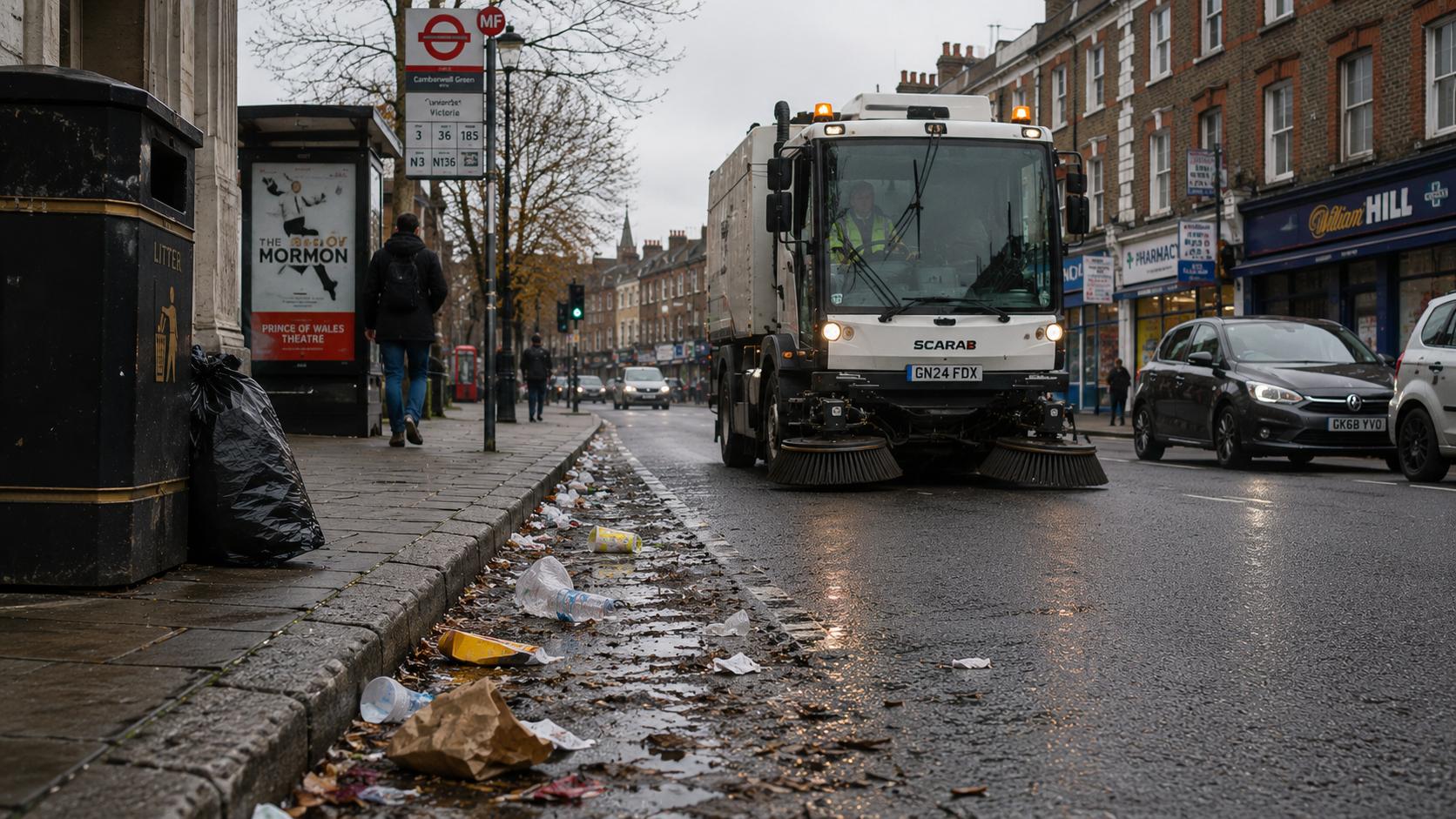
Like every large city, Newcastle faces ongoing challenges with litter, chewing gum and fly-tipping. However, compared with some of England's biggest metropolitan areas, the North East city continues to invest heavily in maintaining public spaces while encouraging residents and visitors to play their part.
Newcastle continues investing in cleaner streets.
One of the biggest recent boosts came after Newcastle City Council secured more than £12,800 from the Chewing Gum Task Force during 2025. The funding is being used to introduce specialist cleaning equipment and targeted awareness campaigns in areas where discarded chewing gum is most common. It is the third successful funding award the city has received through the national scheme, with previous grants helping clean more than 10,000 square metres of streets. Independent evaluations of the programme have shown gum litter can fall by as much as 80 percent within two months after deep cleaning and educational campaigns are introduced.
While chewing gum might seem like a minor issue, it represents one of the UK's most expensive forms of street litter. Nationally, councils spend an estimated £7 million each year removing gum from pavements.
How Newcastle compares with larger UK cities.
Cities including Birmingham, Manchester, Liverpool and Leeds all face similar pressures linked to large populations, busy shopping districts and night-time economies. Rather than one city consistently outperforming another, the quality of streets often depends on local investment, visitor numbers and how quickly litter can be cleared.
Industry benchmarking by the Association for Public Service Excellence shows councils across England have managed to maintain reasonable standards despite increasing costs, although inflation and higher service demands continue placing pressure on street cleansing budgets. Nearly 36,000 inspections across 42 local authorities formed part of one of England's largest street cleanliness surveys.
Newcastle's compact city centre also offers an advantage. Compared with larger urban centres like Birmingham and Manchester, cleansing teams cover a smaller footprint while benefiting from targeted investment in equipment and technology.
The bigger litter picture across England.
Although Newcastle performs relatively well in many busy areas, the wider national picture remains challenging.
Keep Britain Tidy's latest research found that more than 90 percent of locations surveyed across England contained some form of litter. Only around nine percent of surveyed locations were completely litter-free. The charity also found that litter levels in the most deprived communities were almost three times higher than in the least deprived areas.
Public opinion mirrors those findings.
Approximately 77 percent of people believe litter has become worse in recent years, while around 70 percent say they notice litter in their local area every day. Nearly nine in ten people said heavy litter would discourage them from buying or renting property in an area, highlighting how street cleanliness can directly influence investment and local pride.
Why Newcastle's city centre often leaves a positive impression.
Visitors regularly praise Newcastle for its attractive historic streets, well-maintained shopping areas and vibrant waterfront surroundings. Although litter inevitably increases during weekends, football matches and major events, council cleaning teams often begin work early each morning to restore the city centre before businesses open.
The city's ongoing partnership with Keep Britain Tidy demonstrates a longer-term commitment rather than relying solely on routine cleaning. Behaviour change campaigns are increasingly becoming just as important as street sweepers, encouraging people to dispose of litter responsibly instead of expecting councils to clear it afterwards.
Neighbouring North East authorities have also expanded volunteer litter-picking groups, helping improve parks, beaches and residential neighbourhoods throughout the region.
Street cleanliness remains everyone's responsibility.
No UK city can realistically claim to be completely litter-free. Rising visitor numbers, budget pressures and changing consumer habits continue creating challenges for councils nationwide.
Newcastle compares favourably with many similarly sized cities thanks to continued investment, successful funding bids and proactive cleaning programmes. However, national research shows that keeping streets clean depends just as much on public behaviour as council resources.
For residents across Newcastle and the wider North East, every piece of litter placed in a bin rather than dropped on the pavement helps protect the reputation of one of Britain's most welcoming cities.
Share your thoughts below.
What do you think about street cleanliness across Newcastle and the North East?
Local News
Is Newcastle Cleaner Than Other UK Cities?
Advertisement




Comments (0)
You must be logged in to post comments.
Don't have an account? Register here
No comments yet. Be the first to share your thoughts!