
Something has gone wrong with your care, or the care of someone you love. You are angry, you are exhausted, and the last thing you want is to navigate a bureaucratic process while still dealing with the consequences. A significant number of people in exactly that position give up, and the NHS loses the information it needed most.
The process is more accessible than it looks, and it is worth understanding the difference between the routes available, because using the wrong one is the most common reason people feel they got nowhere.
PALS is not the complaints department.
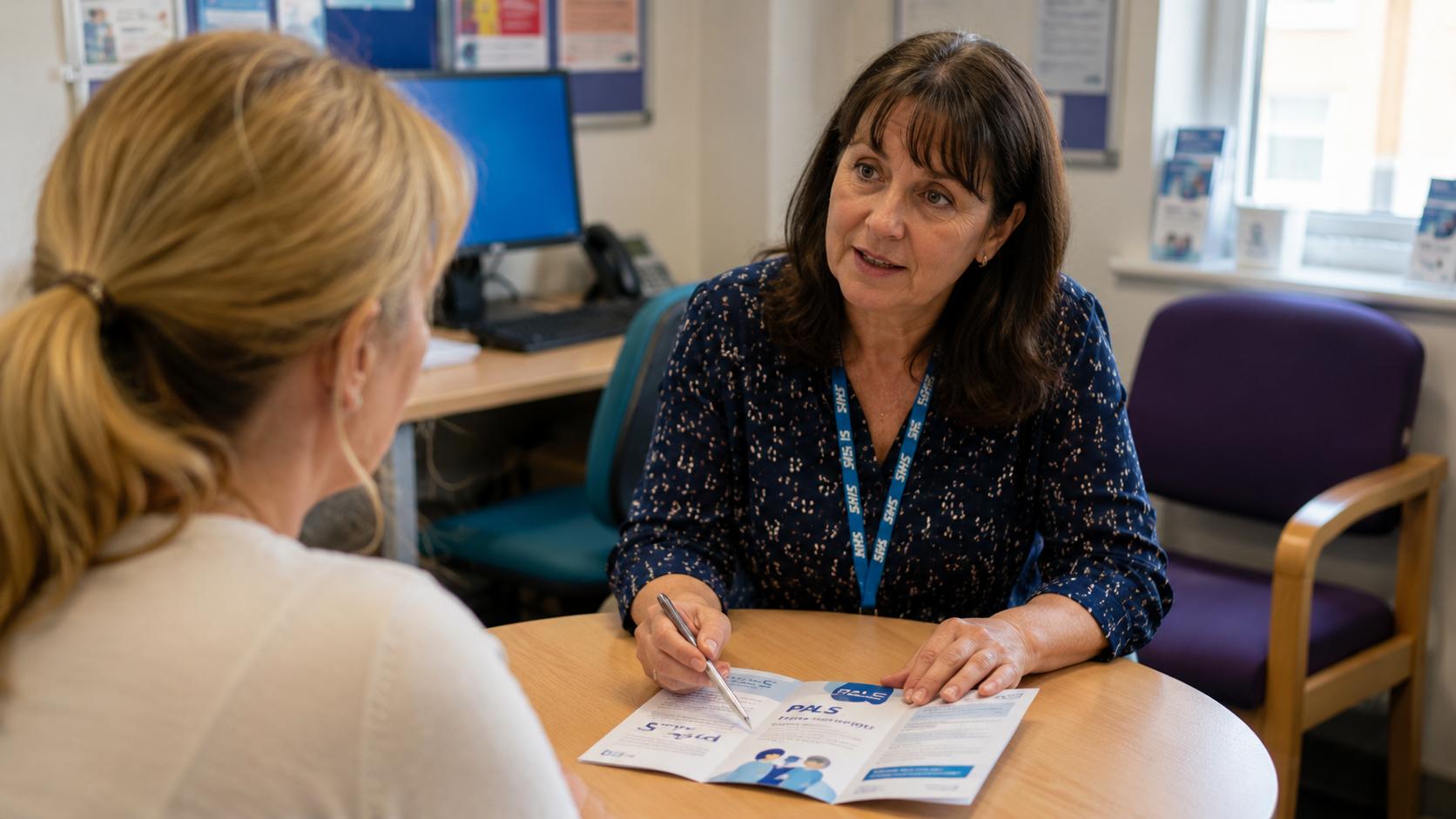
The Patient Advice and Liaison Service exists in NHS trusts to provide information, support and, crucially, informal resolution. It sits deliberately outside the formal complaints process.
PALS is the right first stop for most problems. It can chase up appointments, explain what has happened, sort out communication breakdowns, arrange for someone to speak to you, and resolve a great many issues within days rather than months.
A large proportion of what people bring to PALS is not really a complaint at all. It is a request for an explanation, an apology or a change in approach, and those things are frequently achievable with a phone call.
PALS can also tell you how to make a formal complaint if that is what you want, and can point you towards independent advocacy.
The formal route is different, and slower.
A formal complaint triggers a defined process with an investigation and a written response. It is the right route where something serious has happened, where you want a documented outcome, or where informal contact has not worked.
Complaints about hospital, community and mental health services go to the trust providing the care. Complaints about GPs, dentists, opticians and pharmacies can be made either directly to the practice or to the commissioning body, which since 2023 has been the integrated care board rather than NHS England.
You can complain about care you received yourself, or on behalf of someone else with their consent, or on behalf of someone who has died or who lacks capacity.
There is a time limit, and it is not absolute.
The normal limit is twelve months from the event, or from when you became aware of it. That second part matters, because problems are frequently only understood much later.
The limit can be waived where there is a good reason for delay and where an effective investigation is still possible. Bereavement, illness and the sheer difficulty of dealing with something traumatic are all recognised reasons, and it is worth asking rather than assuming the door is closed.
What a good complaint contains.
Be specific about what happened, when, where and who was involved. Dates and times matter, and so do names where you have them.
Separate the facts from the impact, and include both. What occurred, and what effect it had.
State clearly what you want. This is the part most complainants omit, and it shapes the response more than anything else. An explanation, an apology, a change to a procedure, a different clinician, a meeting, or confirmation that staff have been reminded of something are all reasonable outcomes to request.
Keep it as concise as the facts allow, attach a chronology if the events are complex, and keep a copy of everything.
Independent help is free.
Every area has an NHS complaints advocacy service, funded by the local authority and provided independently of the NHS. Advocates can help you write the complaint, attend meetings with you and support you through the process at no cost.
This service is significantly underused, largely because people do not know it exists. If you find the process overwhelming, this is the answer.
If you are not satisfied with the response.
Once the organisation has given its final response, the next stage is the Parliamentary and Health Service Ombudsman, which investigates complaints about the NHS in England independently.
The Ombudsman will normally expect you to have completed the local process first, and there is a time limit for bringing a case, so do not let a final response sit unaddressed for a year.
The Ombudsman can recommend apologies, financial remedies in some circumstances, and changes to practice, and publishes reports that have driven significant service change.
Complaints are not the same as claims.
If you are considering legal action for clinical negligence, that is a separate process with different rules, different time limits and a different purpose. A complaint seeks explanation and improvement. A claim seeks compensation and requires proof of both breach of duty and resulting harm.
The two can run in parallel but the advice generally given is to take legal advice early if a claim is in contemplation, because the complaint response may become relevant evidence.
Where a death is involved, the coroner's process is separate again, and the trust's own serious incident investigation is separate from all of them.
Complaining does not affect your care.
This is the fear that stops people, and it is worth addressing directly. NHS staff are professionally obliged to provide care without regard to whether a patient has complained, and complaints are handled by separate teams from those delivering treatment.
If you genuinely experience worse treatment after complaining, that is itself a serious matter and should be raised immediately, including with the advocacy service.
Why it matters beyond your case.
Complaints data is one of the main ways problems get identified across a health service. Patterns that no single clinician would notice become visible when complaints are aggregated, and a substantial number of service improvements originate this way.
Raising something that went wrong is not being difficult. It is frequently the only route by which a system learns.
Share your thoughts.
Have you ever raised a concern with the NHS, and did the process work as you expected?
Health News
Making an NHS Complaint: How PALS Works in Newcastle
Advertisement





Comments (0)
You must be logged in to post comments.
Don't have an account? Register here
No comments yet. Be the first to share your thoughts!