
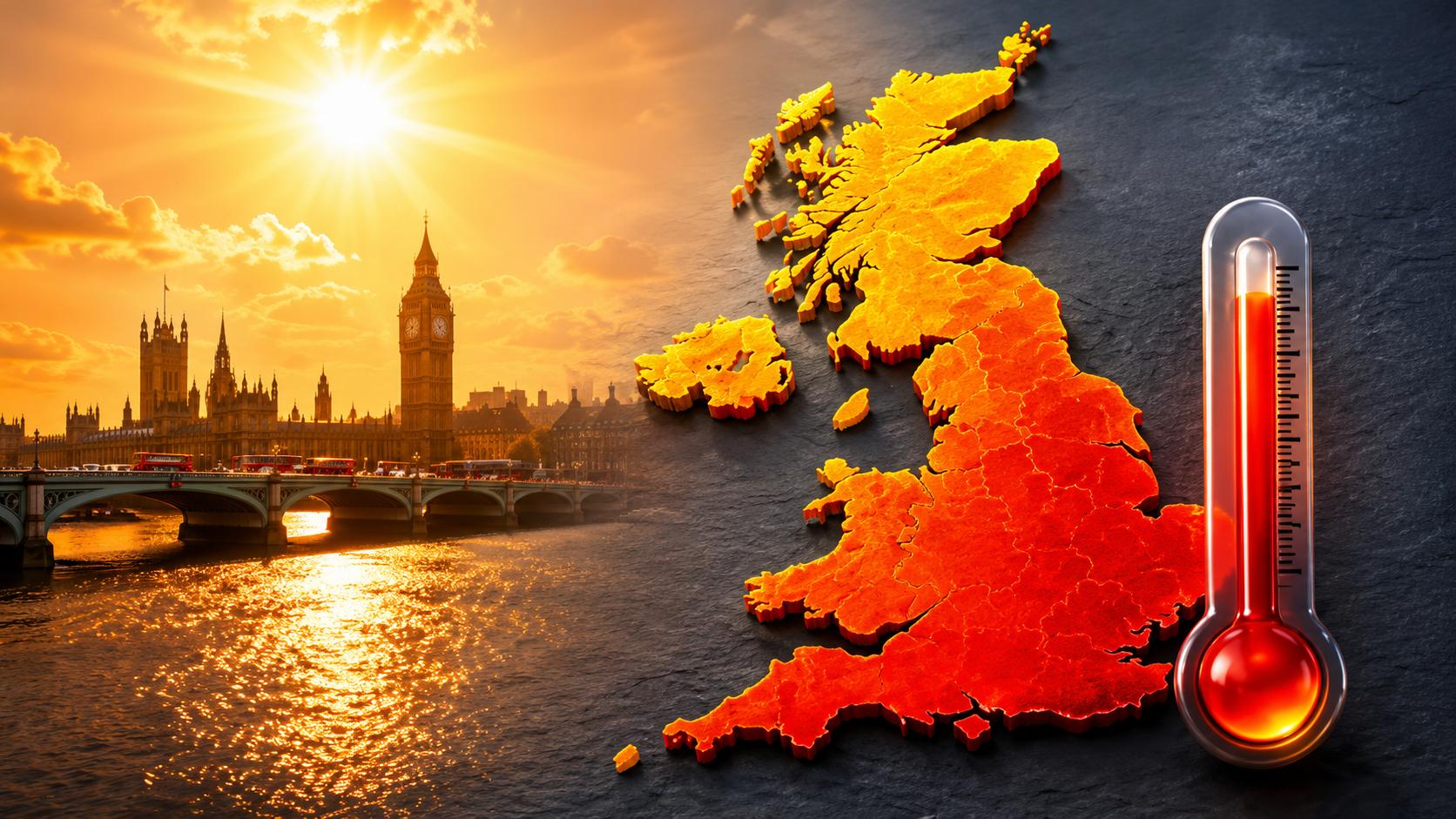
More than 2,700 people are estimated to have died from heat-related causes during the exceptional heatwaves that swept across England and Wales in May and June, according to new research from scientists at Imperial College London, the Met Office and the London School of Hygiene and Tropical Medicine.
The figures highlight the growing health risks linked to prolonged periods of extreme temperatures, with experts warning that heat is becoming one of the UK's most underestimated public health threats. While southern England experienced the highest temperatures, the findings are relevant across the country, including Newcastle and the North East, where unusually warm conditions are becoming increasingly common during summer.
Researchers believe around 550 deaths occurred during the May heatwave, while almost 2,200 were linked to the more intense spell of hot weather in June. The estimates are based on established scientific models that compare expected mortality with deaths recorded during previous heat events.
Why the June heatwave proved so dangerous.
England experienced its hottest June on record after temperatures reached 37.7C in Norfolk, breaking a record that had stood for decades. A rare red heat alert was issued across parts of England and Wales, warning that even healthy people faced an increased risk of illness and death.
Scientists say a powerful "heat dome" trapped hot air over the UK for several days. Combined with humid overnight conditions, many people were unable to cool down, placing additional strain on the body.
Unlike storms or flooding, extreme heat often claims lives quietly. Heat exhaustion can quickly develop into heatstroke, while existing conditions such as heart disease and respiratory illnesses become far more dangerous during prolonged hot weather.
Older adults, babies and people with underlying medical conditions remain among the highest risk groups, although health experts stress that anyone can become seriously ill if exposed to high temperatures for too long.
Newcastle also faces growing heat challenges.
Although Newcastle avoided the most extreme temperatures recorded further south, the city still experienced unusually warm conditions during the recent heatwaves. Public health experts say northern cities are not immune from the changing climate and should prepare for hotter summers in the years ahead.
Many homes across Newcastle and the wider North East were designed to retain warmth during colder months rather than release heat during summer. As temperatures rise more frequently, buildings can become uncomfortable overnight, increasing health risks for vulnerable residents.
Local councils, healthcare providers and emergency services across the region are expected to continue reviewing heat preparedness plans as warmer summers become more common.
Climate change is increasing the risks.
The research team estimates that human-induced climate change added between 3C and 4C to peak temperatures during the May and June heatwaves. Overall, around 42 percent of the estimated deaths are believed to be linked to the additional warming caused by climate change.
Scientists emphasise that while individual weather events have many contributing factors, rising global temperatures are making severe heatwaves more frequent, longer lasting and more intense.
The World Health Organization also warns that heat exposure is rising rapidly worldwide. Between 2000 and 2019, an estimated 489,000 heat-related deaths occurred each year globally, while heat-related mortality among people aged over 65 increased by around 85 percent between the early 2000s and the late 2010s.
The statistics paint a worrying picture.
The latest estimates come just months after the UK Health Security Agency reported around 1,504 heat-associated deaths during the summer of 2025 in England, although coordinated public health responses were credited with reducing the overall impact compared with earlier forecasts.
Health experts believe better awareness campaigns, improved warning systems and simple actions such as checking on elderly neighbours, staying hydrated and keeping homes cool could save lives during future heatwaves.
Researchers also hope that publishing these early estimates will encourage people to take future heat alerts more seriously, particularly as climate projections suggest extreme heat events will become increasingly common over the coming decades.
As Newcastle and other communities across the UK continue adapting to changing weather patterns, experts say preparation will be just as important as forecasting.
Join the discussionn below.
What do you think Newcastle should do to better prepare for future heatwaves?
Health News
More Than 2,700 Deaths Linked To UK Heatwaves
Advertisement




Comments (0)
You must be logged in to post comments.
Don't have an account? Register here
No comments yet. Be the first to share your thoughts!