
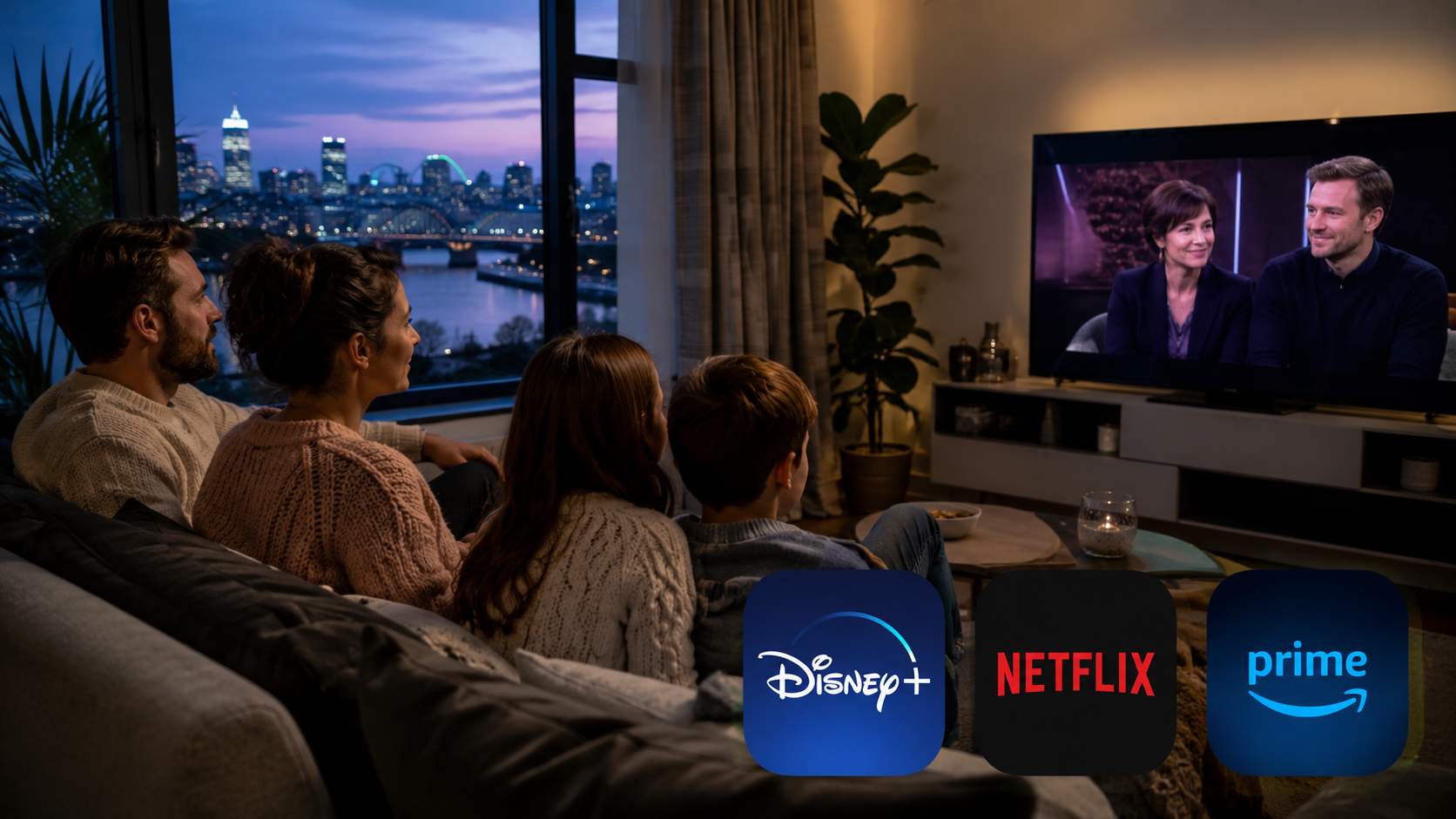
The future of the BBC licence fee has moved back into the spotlight after major streaming platforms including Netflix, Disney+ and Amazon signalled they have no intention of helping enforce licence fee payments in the UK.
The intervention comes at a crucial moment for the BBC as the broadcaster prepares for negotiations over its next Royal Charter, which will determine how the corporation is funded beyond 2027. With viewing habits changing rapidly and millions of households moving away from traditional television, the debate over who should pay for the BBC and how those payments should be collected is becoming increasingly significant.
For viewers in Newcastle and across the North East, the outcome could directly affect how much households pay to access television services in the years ahead. As streaming platforms continue to grow in popularity, questions are being raised about whether the current funding model can survive in an era dominated by on-demand entertainment.
Streaming Giants Draw A Clear Line.
The Motion Picture Association, which represents major Hollywood studios and global streaming companies, has reportedly made its position clear during discussions linked to the Government's review of the BBC Charter.
According to evidence submitted during the consultation process, the organisation warned against involving streaming providers in the collection or enforcement of the licence fee system. The association argued that services such as Netflix, Disney+ and Amazon should not be expected to play a role in monitoring, collecting or policing payments on behalf of the BBC.
The position creates a significant challenge for the broadcaster, which has been examining ways to modernise a system originally designed around traditional television viewing.
As more people consume entertainment through streaming platforms rather than scheduled television broadcasts, the BBC faces growing pressure to adapt to a media landscape that looks dramatically different from the one that existed when the current licence fee framework was established.
Why The BBC Is Looking At Reform.
The issue is not simply about technology. It is also about money.
According to figures from the House of Commons Library, licence fee revenue generated approximately £3.84 billion during the 2024-25 financial year and accounted for around 65 per cent of the BBC's total funding.
While that remains a substantial amount of income, the BBC has repeatedly warned that changing viewing habits are creating long-term financial pressures.
Official figures show the estimated licence fee evasion rate has climbed to 12.5 per cent, nearly double the level recorded several years earlier.
At the same time, millions of households have declared that they do not require a TV licence because they only watch content through on-demand streaming platforms and do not use BBC iPlayer or watch live television broadcasts. Current estimates suggest around 3.6 million households have opted out of the licence fee system under existing rules.
These trends have created a growing funding gap that BBC executives believe must be addressed if the broadcaster is to maintain its current services.
What The Current Rules Mean For Newcastle Households.
Many households across Newcastle, Gateshead, North Tyneside and the wider North East are already navigating an increasingly complex set of viewing options.
Under current UK law, a TV licence is required if a person watches or records live television on any channel or uses BBC iPlayer. However, viewers who exclusively watch on-demand services such as Netflix, Disney+, Prime Video or YouTube generally do not need a licence.
From April 2026, the annual cost of a standard TV licence increased to £180.
For many families facing rising household costs, the ability to rely entirely on subscription streaming services without paying the licence fee has become an attractive option.
In Newcastle, where students make up a significant portion of the population due to Newcastle University and Northumbria University, streaming-first viewing habits have become particularly common among younger audiences.
The Proposals Under Discussion.
Although no final decisions have been made, several ideas have emerged as part of the broader discussion about the BBC's future funding model.
Among the proposals reportedly examined are measures that would encourage greater compliance among households that currently do not pay the licence fee.
Some suggestions have included reminders displayed through streaming services, while others have involved exploring whether digital platforms could assist in identifying users who may require a licence.
More controversial proposals have reportedly included mechanisms that would require users to verify licence status before accessing certain content.
However, the Motion Picture Association's submission suggests major streaming companies have little appetite for becoming involved in any enforcement role.
That resistance could significantly limit the BBC's options if ministers decide to pursue reforms aimed at streaming-only households.
A Wider Challenge Facing Public Service Broadcasting.
The debate extends far beyond the licence fee itself.
The BBC has argued that it faces what it describes as permanent shifts in audience behaviour. Recent figures suggest 94 per cent of people in the UK still use BBC services each month, yet fewer than 80 per cent of households contribute through the licence fee system.
This gap between usage and payment is becoming one of the most important issues facing public service broadcasting.
Competition has never been greater. Netflix, Disney+, Prime Video, YouTube, TikTok and numerous other platforms now compete for viewers' attention every day.
For younger audiences in Newcastle and across the UK, watching scheduled television is increasingly becoming the exception rather than the norm.
Media analysts say this trend is unlikely to reverse, meaning future governments may eventually need to decide whether the licence fee remains fit for purpose in the streaming era.
What Could Happen Next?.
The BBC's current Royal Charter expires at the end of 2027, meaning negotiations over its future are expected to intensify over the coming months.
Several alternative funding models have been discussed publicly in recent years, including subscription services, advertising-supported content, household levies and forms of taxation similar to systems used in parts of Europe.
Each option presents challenges.
Subscription models could limit access to public service content, while advertising could fundamentally change the nature of BBC programming. Tax-funded alternatives would likely generate political debate about independence and accountability.
For now, the licence fee remains the preferred option for many within the corporation, although most observers accept that some form of reform appears increasingly likely.
Why Newcastle Residents Should Pay Attention.
While discussions about broadcasting policy may seem distant from everyday life in Newcastle, the decisions made over the next two years could affect millions of households.
Whether residents watch BBC News, local radio, Match of the Day, dramas, documentaries or simply rely on streaming platforms for entertainment, changes to the funding model could alter what viewers pay and how services are delivered.
The North East has long been a strong consumer of regional broadcasting, with BBC Newcastle and local programming continuing to play an important role in the area's media landscape.
As ministers, broadcasters and streaming giants continue to debate the future, one thing appears increasingly clear. The television funding system that has existed for decades is under growing pressure from changing technology and changing viewer habits.
The challenge facing policymakers is finding a solution that works for traditional television audiences, streaming-first households and public service broadcasting alike. Whether that balance can be achieved remains one of the biggest media questions facing the UK today.
Do you think Newcastle households that only watch Netflix, Disney+ and other streaming services should contribute to BBC funding?
Entertainment
Netflix and Disney+ Deliver Major Blow to BBC Licence Fee Plans
Advertisement


Comments (0)
You must be logged in to post comments.
Don't have an account? Register here
No comments yet. Be the first to share your thoughts!