
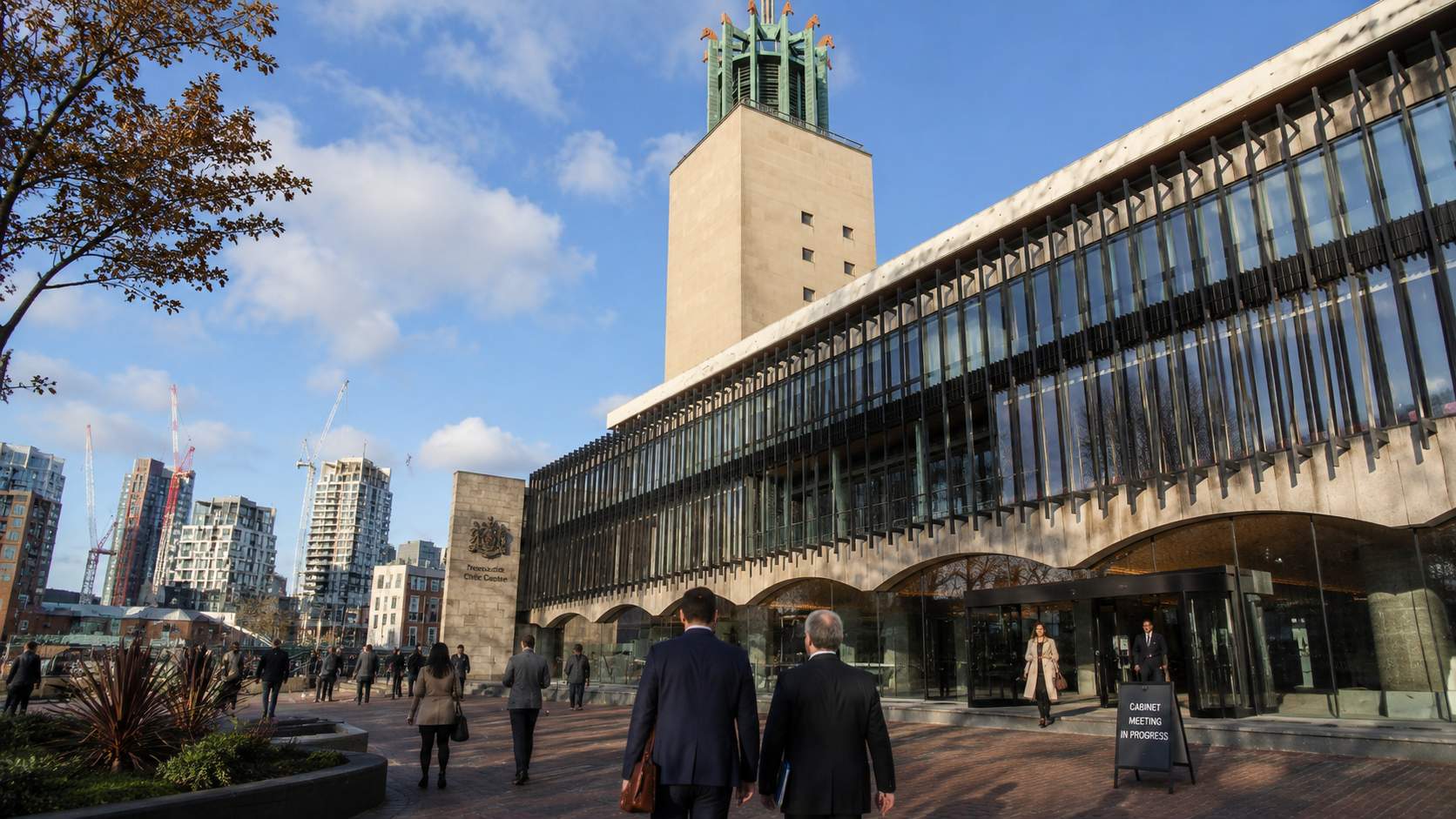
A new chapter has begun at Newcastle City Council after the city's newly formed Cabinet gathered for its first official meeting under the leadership of Councillor Colin Ferguson.
Following the recent local elections, the new administration has outlined a series of priorities aimed at addressing some of the most pressing concerns facing Newcastle residents, including housing shortages, road maintenance, environmental improvements and financial stability.
The meeting marked the first opportunity for Cabinet members to formally discuss how they intend to deliver on promises made during the election campaign while setting the direction for the city over the coming years.
Housing Delivery Placed At The Centre Of Newcastle's Future.
One of the key themes emerging from the meeting was the commitment to increase the supply of affordable and social housing across Newcastle.
The issue remains a major concern for many residents, with demand for affordable homes continuing to outpace supply across much of the North East. According to government housing statistics, more than 1.3 million households are currently on social housing waiting lists across England, highlighting the scale of the challenge facing local authorities nationwide.
Cabinet members discussed plans to accelerate housing development opportunities, including progress on major schemes at Forth Yards, a significant regeneration site located close to Newcastle city centre.
The development has long been viewed as one of the city's most important regeneration opportunities and has the potential to deliver hundreds of new homes alongside commercial and public spaces. Council leaders believe projects such as Forth Yards could play an important role in supporting economic growth while helping more residents access quality housing.
Improving Roads And Neighbourhood Infrastructure.
Another major priority identified during the meeting was improving Newcastle's roads, pavements and local neighbourhoods.
Potholes continue to be one of the most common issues reported by residents across the UK. Research from the RAC found that drivers encounter an average of six potholes per mile on local roads, with repair costs running into hundreds of pounds for affected motorists.
The new administration says restoring pride in neighbourhoods will involve increased focus on road maintenance, pavement repairs and improvements to public spaces throughout the city.
Residents across Newcastle have repeatedly highlighted concerns about deteriorating road surfaces, particularly following periods of severe weather. Council leaders acknowledged the importance of addressing these issues as part of wider efforts to improve everyday quality of life.
Investment in local infrastructure is expected to play a central role in future council planning as officials seek to balance public expectations with budget constraints.
Boosting Recycling And Creating A Cleaner Newcastle.
Environmental improvements also featured prominently during discussions.
The administration has pledged to increase recycling rates and work towards creating cleaner communities across Newcastle. While recycling performance varies between local authorities, the latest government figures show England's household recycling rate stands at around 44%, illustrating both the progress made and the opportunities for further improvement.
Council leaders believe encouraging greater participation in recycling schemes could help reduce waste, lower environmental impacts and contribute to wider sustainability goals.
Efforts to improve street cleanliness, reduce litter and support greener neighbourhoods are also expected to form part of the council's broader environmental strategy.
With climate issues remaining a growing concern for many residents, environmental initiatives are likely to remain high on the political agenda throughout the administration's term.
Giving Residents A Stronger Voice In Local Decisions.
A commitment to community engagement was another key message from the first Cabinet meeting.
The new leadership team says it wants residents to play a greater role in decisions affecting their local areas. This includes improving communication between the council and communities while ensuring local voices are heard when major developments and policy decisions are being considered.
Public participation has become an increasingly important issue in local government, with councils across the country exploring new ways to engage residents through consultations, community forums and digital platforms.
For Newcastle, officials believe stronger collaboration between residents and decision makers can help build trust while ensuring policies better reflect the needs of local communities.
Financial Responsibility Remains A Key Focus.
Like many councils across the UK, Newcastle City Council continues to operate within a challenging financial environment.
Rising service demands, inflationary pressures and increasing operational costs have placed significant strain on local authority budgets in recent years. According to the Local Government Association, councils across England continue to face substantial funding pressures despite ongoing efforts to manage spending effectively.
The new administration has pledged to take what it describes as a responsible approach to council finances while prioritising frontline services.
Cabinet members reviewed the council's property portfolio during the meeting and explored opportunities to make more effective use of existing assets. Leaders believe maximising the value of council-owned properties could help support long-term financial sustainability while generating resources for essential services.
Political Cooperation Aims To Provide Stability.
A notable development accompanying the new administration is a Memorandum of Understanding agreed between the Liberal Democrats and the Green Party.
The agreement is intended to support collaborative working between the two groups and provide political stability as the council moves forward with its programme of priorities.
Council leaders say the arrangement will help ensure decisions are made in the best interests of Newcastle while providing a framework for cooperation on key policy areas.
The partnership reflects a growing trend in local government where political groups work together to address complex challenges facing communities.
Looking Ahead For Newcastle.
The first Cabinet meeting offered an early indication of the direction Newcastle's new leadership intends to take.
From expanding affordable housing and improving roads to boosting recycling rates and strengthening community engagement, the administration has outlined an ambitious agenda designed to address both immediate concerns and long-term opportunities.
As major projects such as Forth Yards continue to progress and investment priorities take shape, residents will be watching closely to see how these commitments translate into action across Newcastle in the months ahead.
Share your views in the comments.
Are the councils list of priorities in-line with what you think needs to be improved first in Newcastle?
Political News
Newcastle Council Unveils Housing, Roads And Recycling Priorities
Advertisement



Comments (0)
You must be logged in to post comments.
Don't have an account? Register here
No comments yet. Be the first to share your thoughts!