
Newcastle is grappling with rising air pollution levels, posing significant health risks to its residents. Efforts are underway to combat this environmental challenge, focusing on reducing emissions and promoting sustainable practices. The city's initiatives aim to improve air quality and safeguard public health.
Understanding Newcastle's Air Pollution Problem
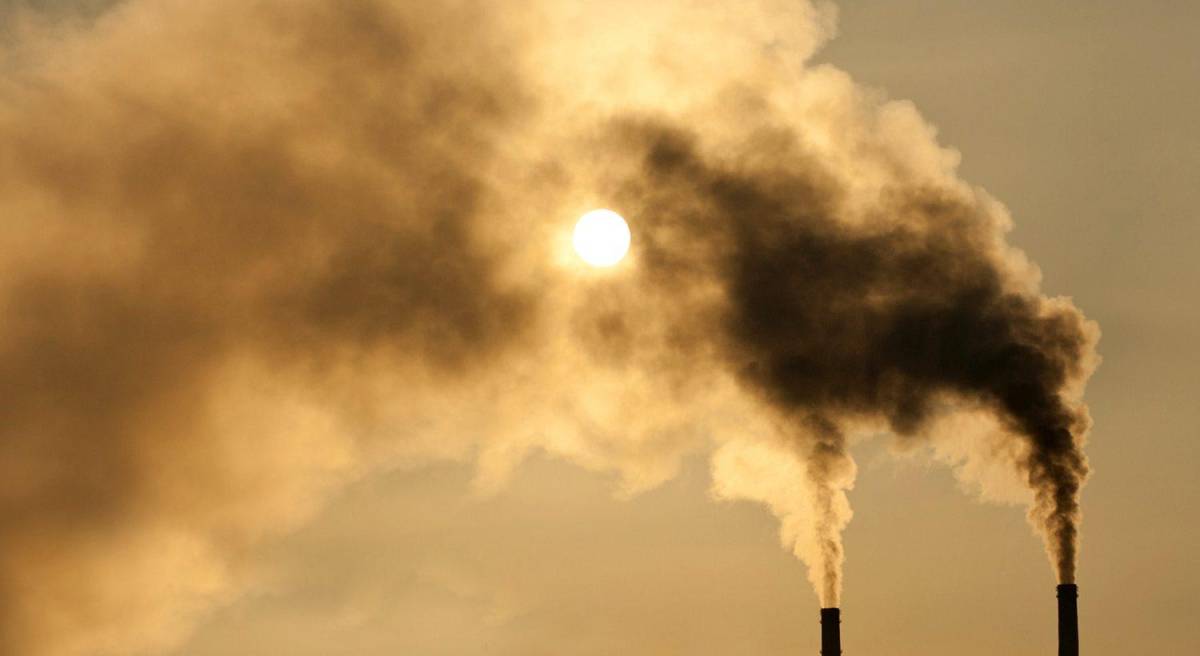
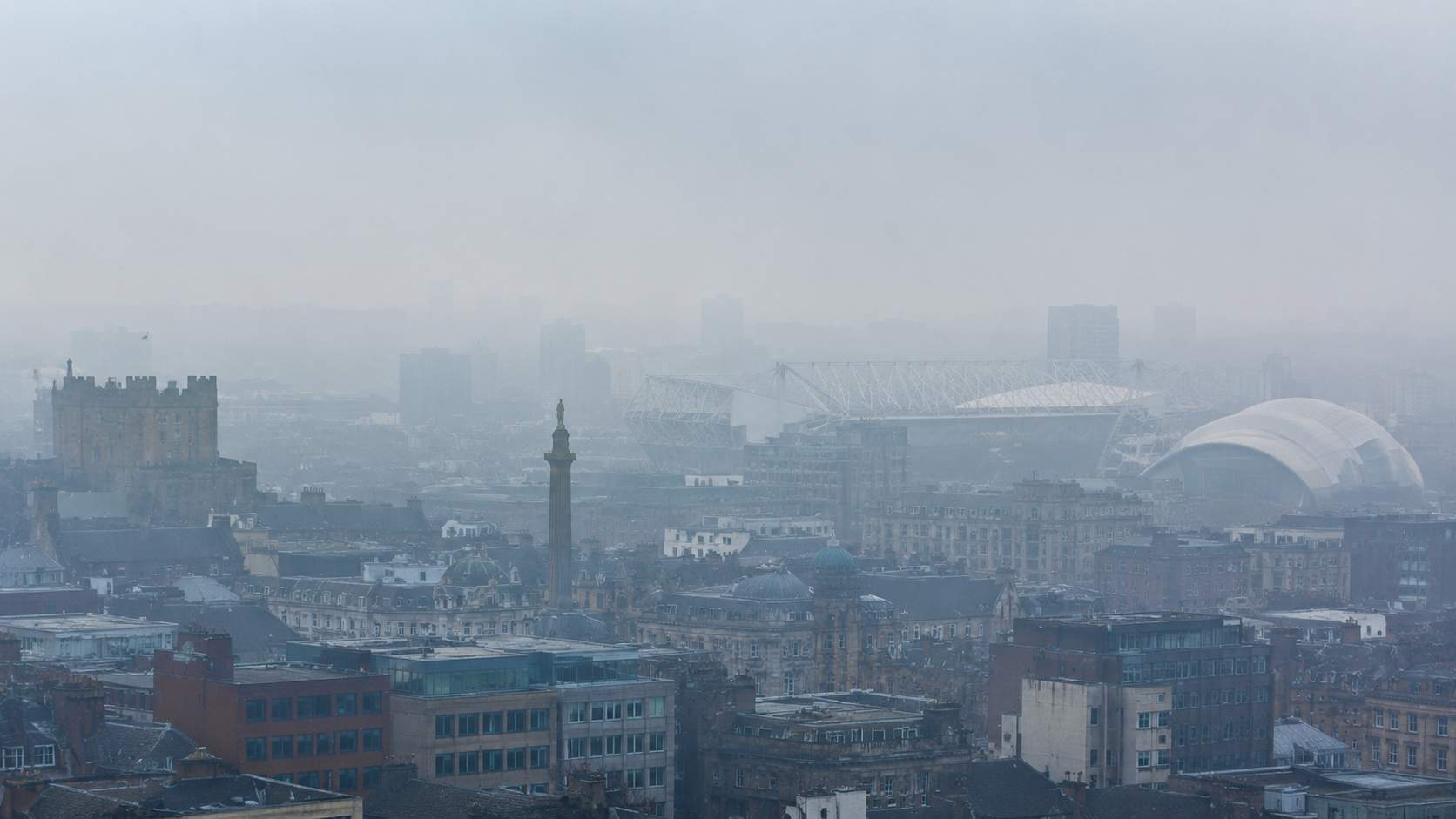
Air pollution in Newcastle has become a pressing issue, with the city experiencing increased levels of harmful pollutants such as nitrogen dioxide (NO2) and particulate matter (PM). These pollutants primarily originate from vehicle emissions, industrial activities, and domestic heating. The city's geographical layout, with its dense urban areas and traffic congestion, exacerbates the problem by trapping pollutants close to the ground.
The impact of air pollution is not just an environmental concern but a public health crisis. Studies have shown that prolonged exposure to high levels of air pollution can lead to respiratory diseases, cardiovascular problems, and even premature death. Vulnerable groups, including children, the elderly, and those with pre-existing health conditions, are particularly at risk.
Health Effects of Air Pollution
The health effects of air pollution are wide-ranging and severe. Short-term exposure can cause irritation of the eyes, nose, and throat, while long-term exposure can lead to chronic respiratory diseases such as asthma and chronic obstructive pulmonary disease (COPD). Moreover, there is growing evidence linking air pollution to cardiovascular diseases, including heart attacks and strokes.
Children are especially susceptible to the adverse effects of air pollution. Their developing lungs and immune systems make them more vulnerable to respiratory infections and asthma. Additionally, studies suggest that air pollution can affect cognitive development in children, potentially leading to learning difficulties.
For adults, particularly those with pre-existing health conditions, air pollution can exacerbate symptoms and lead to more frequent hospital admissions. The economic burden of treating pollution-related health issues is substantial, placing additional strain on healthcare systems.
Efforts to Combat Air Pollution
Recognising the urgent need to address air pollution, Newcastle has implemented several initiatives aimed at reducing emissions and improving air quality. One of the key strategies involves promoting the use of public transport and encouraging active travel options such as walking and cycling. By reducing the number of vehicles on the road, the city hopes to decrease traffic-related emissions significantly.
The introduction of low emission zones is another measure being considered. These zones restrict access for high-emission vehicles, encouraging the use of cleaner alternatives. Additionally, investment in electric vehicle infrastructure is being prioritised to support the transition to greener transport options.
Industrial emissions are also being targeted through stricter regulations and incentives for businesses to adopt cleaner technologies. The local council is working closely with industries to ensure compliance with environmental standards and promote sustainable practices.
Community Involvement and Education
Community involvement plays a crucial role in tackling air pollution. Public awareness campaigns are essential for educating residents about the sources and effects of air pollution and how they can contribute to improving air quality. Simple actions such as reducing energy consumption at home, using public transport, or carpooling can collectively make a significant difference.
Schools in Newcastle are actively participating in educational programmes that teach children about the importance of clean air and how they can help reduce pollution. These initiatives aim to instil environmentally friendly habits from a young age, fostering a culture of sustainability within the community.
Looking Ahead to Future Developments
As Newcastle continues its battle against air pollution, future developments will focus on integrating technology and innovation into its strategies. The use of real-time air quality monitoring systems can provide valuable data for identifying pollution hotspots and assessing the effectiveness of implemented measures.
Collaboration with academic institutions and research organisations is also vital for developing new solutions and technologies to combat air pollution. By leveraging expertise from various fields, Newcastle aims to stay at the forefront of environmental innovation.
Furthermore, policy changes at both local and national levels will be crucial in supporting Newcastle's efforts. Stronger regulations on emissions, incentives for green technologies, and investment in sustainable infrastructure are necessary to achieve long-term improvements in air quality.
A Commitment to a Healthier Future
Newcastle's commitment to addressing air pollution reflects a broader recognition of the need for sustainable urban development. By prioritising clean air initiatives, the city is taking significant steps towards safeguarding public health and enhancing the quality of life for its residents.
While challenges remain, the collective efforts of local authorities, businesses, and communities offer hope for a healthier future. Continued vigilance and adaptation will be essential as Newcastle navigates its path towards improved air quality and environmental sustainability.
Health News
Newcastles Fight Against Air Pollution - Protecting Health and Environment
Newcastle is grappling with rising air pollution levels, posing significant health risks to its residents. Efforts are underway to combat this environmental challenge, focusing on reducing emissions and promoting sustainable practices. The city's initiatives aim to improve air quality and safeguard public health.
Advertisement




Comments (0)
You must be logged in to post comments.
Don't have an account? Register here
No comments yet. Be the first to share your thoughts!