
The sound of a brass band, rich, powerful and stirring, is one of the most evocative in the musical heritage of the North East. For generations, brass bands have been a cherished part of life in the region, especially in the mining and industrial communities where the tradition took its deepest root. The bands, with their gleaming instruments and their proud history, are a wonderful expression of the community spirit and musical talent of the North East.
A Working-Class Music.
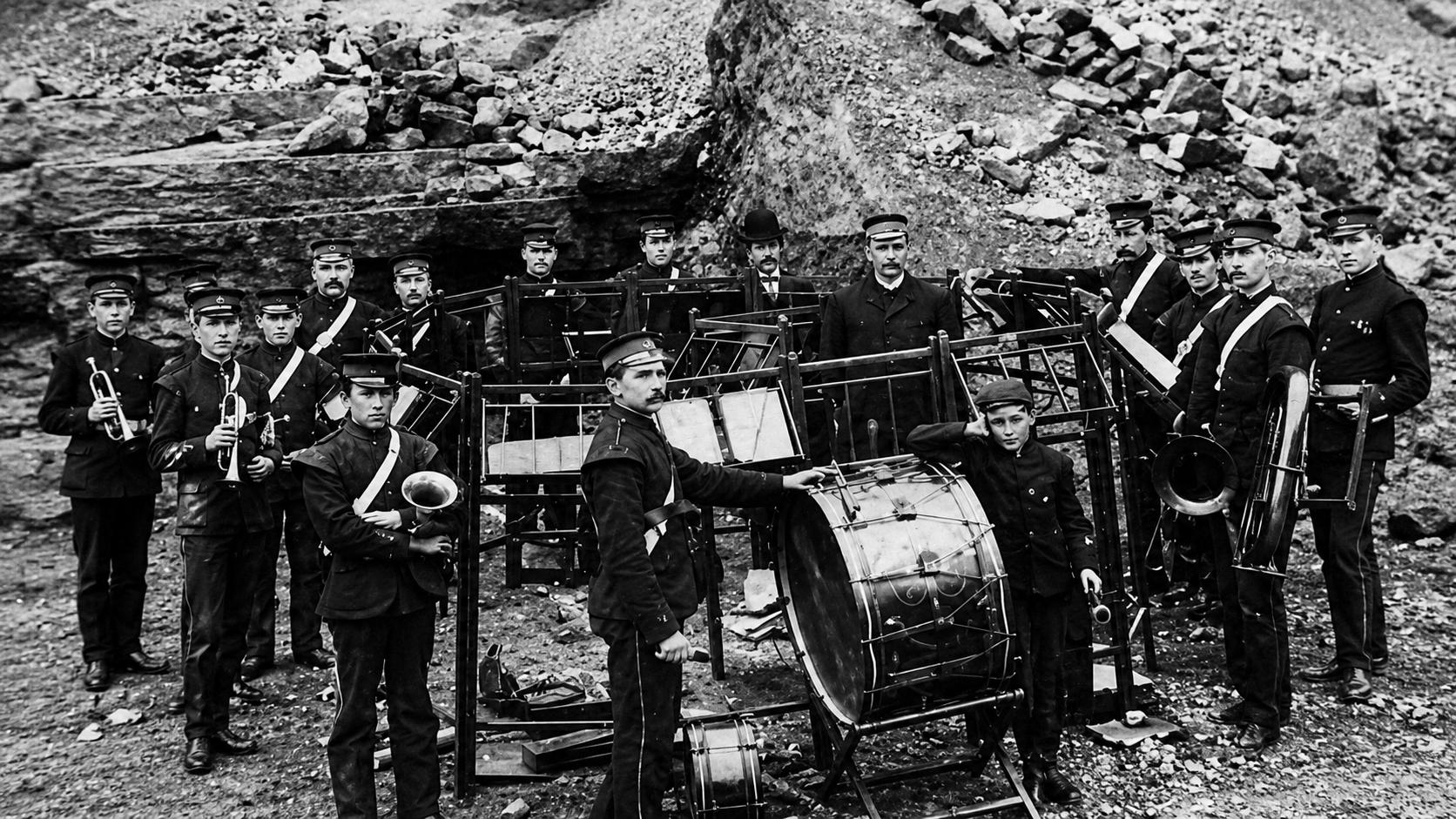
The brass band tradition grew up in the industrial communities of the North East and the wider north of England, becoming especially associated with the coal mining villages. The bands were formed by working people, often with the support of the collieries and other industries, and they gave ordinary men and women the chance to make music together to a high standard. For people whose working lives were hard, the band offered a creative outlet, a focus for community pride and a source of great enjoyment. The tradition was firmly rooted in the working-class culture of the region, and the bands became a source of identity and belonging.
The Colliery Bands.
The colliery bands hold a special place in the brass band tradition of the North East. Many mining villages had their own band, supported by the colliery and drawing its members from among the miners and their families. These bands were a source of enormous local pride, representing their communities in competitions and on great occasions. The connection between the bands and the pits was deep, and the music of the colliery band became part of the soundtrack of life in the coalfields. The decline of the mining industry has changed this tradition, but the bands and their music endure as a proud reminder of that heritage.
The Banners and the Gala.
One of the most powerful expressions of the brass band tradition comes at the great gatherings of the mining communities, above all the famous miners' galas. At these events, the bands play a central role, marching behind the colourful embroidered banners of their lodges and villages, their music swelling through the crowds. The sight and sound of the bands and the banners together is deeply moving, a celebration of the solidarity, pride and heritage of the mining communities. This tradition has continued even after the closure of the pits, a testament to the enduring strength of the culture that created it.
A Demanding Art.
Brass band music is a serious and demanding art, requiring great skill, discipline and dedication from its players. The bands rehearse regularly and to a high standard, and the best of them are capable of performances of remarkable quality and power. The competitive tradition is strong, with bands striving for excellence and pitting their skills against one another at contests. This pursuit of excellence has produced bands of genuinely high calibre, and the musical achievements of the North East's brass bands are a source of pride and a testament to the talent and dedication of their members.
Music for the Community.
The brass bands have always been about more than competition; they are part of the life of their communities. The bands play at all manner of local events and occasions, from concerts and parades to celebrations and ceremonies, bringing their music to the people. The stirring sound of the band lends a sense of occasion and emotion to community events, and the bands are a focus for local pride and togetherness. In this way the bands enrich the cultural life of the region, providing music that is freely shared and deeply woven into the fabric of community life.
Passing on the Tradition.
The survival of the brass band tradition depends on passing it on to new generations, and the bands have long played an important role in nurturing young musical talent. Many bands have junior or training sections, where young people learn to play and are introduced to the tradition, ensuring that the music continues to be made. This handing down of skills and enthusiasm from one generation to the next is vital to the future of the bands, and it offers young people a wonderful opportunity to develop their musical abilities within a supportive community. The tradition lives on through those who carry it forward.
A Stirring Heritage.
The brass bands of the North East are a proud and stirring part of the region's cultural heritage, a tradition that gives voice to the community spirit and musical talent of the area. Rooted in the industrial communities and the mining villages, the bands have brought beauty, pride and togetherness to generations of people. Their gleaming instruments, their demanding music and their deep connection to the communities they serve make them a treasure of the region. The sound of a North East brass band remains one of the most moving and evocative expressions of the spirit of the region.
Music Born of Community.
The brass band tradition is a wonderful illustration of how a community can create beauty and excellence out of its own resources and shared effort. The bands were not the creations of wealthy patrons or professional institutions but of ordinary working people coming together to make music. With determination, dedication and the support of their communities, these working men and women achieved standards of musical performance that could be genuinely remarkable, creating something of real beauty and lasting value.
This achievement speaks to the talent and the aspiration that existed within the working communities of the North East, and to the importance they placed on culture and self-improvement. The bands offered a way for people of modest means to participate in serious music-making, to develop their talents and to take pride in their achievements, and they enriched the cultural life of their communities immeasurably.
The tradition reflects a belief, deeply held in the working communities of the region, that beauty, culture and excellence were not the preserve of the privileged but could be created and enjoyed by all. In coming together to form bands and to make music to a high standard, the working people of the North East asserted their right to culture and demonstrated what could be achieved through collective effort and shared dedication.
The brass bands stand as a moving testament to the aspiration, the talent and the community spirit of the region, music born of community and offered freely back to it, a heritage of which the North East can be deeply proud.
Share your thoughts.
The brass bands of the North East give stirring voice to the spirit of the region's communities.
Has a brass band ever played a part in your community or family?
Lifestyle News
Sounding Brass: The Proud Tradition of North East Bands
A celebration of the North East brass band tradition, rooted in the mining communities, from the colliery bands to the banners of the miners' gala.
Advertisement





Comments (0)
You must be logged in to post comments.
Don't have an account? Register here
No comments yet. Be the first to share your thoughts!