
Osteoarthritis is the most common type of arthritis in the UK, affecting an estimated 8.5 million people, occurring when the protective cartilage cushioning the ends of bones within joints gradually wears down over time. This wearing process causes bones to rub more directly against one another, leading to the pain, stiffness and swelling characteristic of the condition, most commonly affecting the knees, hips, hands and spine.
While osteoarthritis becomes considerably more common with age, it is not simply an inevitable consequence of getting older, and several factors influence individual risk. These include previous joint injury, being overweight, which places additional strain on weight-bearing joints, genetics, since the condition often runs in families, and certain occupations or activities involving repetitive stress on particular joints over many years.
Common symptoms include joint pain that typically worsens with activity and improves with rest, stiffness, particularly noticeable after periods of inactivity or first thing in the morning, swelling around affected joints, and a grating or crackling sensation known as crepitus when moving the affected joint. Symptoms often develop gradually over months or years rather than appearing suddenly.
Diagnosis typically involves a GP assessing symptoms alongside a physical examination of the affected joints, sometimes supported by X-rays, which can show characteristic changes including narrowed joint space and bone spurs, though the severity visible on an X-ray does not always directly correspond to how much pain or disability a person actually experiences from their condition.
Treatment focuses on managing symptoms and maintaining joint function, since there is currently no cure for osteoarthritis itself. Maintaining a healthy weight significantly reduces strain on weight-bearing joints, while regular, appropriate exercise, including low-impact activities like swimming and cycling, helps strengthen the muscles supporting affected joints and can genuinely reduce pain and stiffness over time.
Pain relief options range from over-the-counter painkillers and topical treatments applied directly to affected joints, through to prescription medications for more significant pain. Physiotherapy can also help considerably, teaching specific exercises to improve joint function and reduce pain, while some people find genuine benefit from supportive devices including braces or specially designed footwear.
For more severe osteoarthritis that significantly affects quality of life and does not respond adequately to other treatments, joint replacement surgery, most commonly for hips and knees, offers a genuinely effective long-term solution for many people, with modern joint replacements typically lasting fifteen to twenty years or considerably longer with proper care.
Living well with osteoarthritis generally involves a combination of appropriate exercise, weight management where relevant, and effective pain management tailored to individual circumstances. Anyone experiencing persistent joint pain or stiffness that affects daily activities should see a GP for proper assessment, since early management can genuinely help slow symptom progression and maintain better joint function over the longer term.
Newcastle's hospitals carry out a significant number of hip and knee replacement procedures each year, reflecting just how common severe osteoarthritis has become across the wider population, and NHS physiotherapy services across the city offer support for patients managing the condition at every stage.
Using assistive devices including walking sticks or specially adapted kitchen tools can genuinely help many people with osteoarthritis manage daily tasks more comfortably, reducing unnecessary strain on affected joints without requiring people to give up valued everyday activities entirely. Staying as active as pain reasonably allows generally supports better long-term joint function overall.
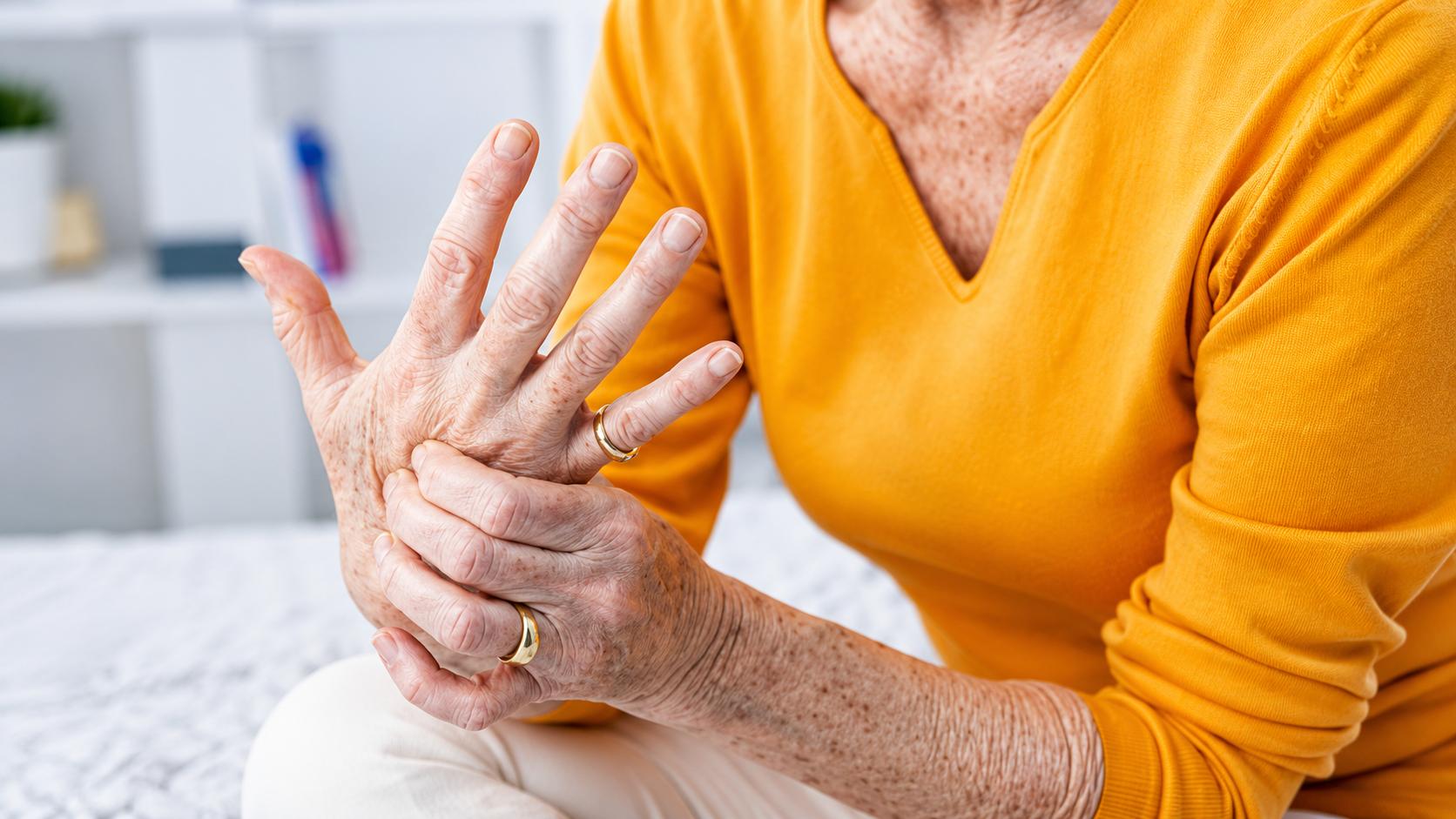
Occupational therapy can also offer genuinely practical support for people with osteoarthritis affecting the hands specifically, providing adapted tools and techniques that make everyday tasks like cooking and dressing considerably more manageable and less painful. It remains a condition that responds well to a proactive, well-supported management approach. Versus Arthritis offers genuinely useful resources and support for anyone wanting more detailed guidance on living well with the condition.
Building a good working relationship with a GP or physiotherapist genuinely helps most people manage the condition well. That kind of steady, ongoing support tends to make the biggest genuine difference over time.
Join the discussion.
Does osteoarthritis affect your, or a family members daily activities?
Health News
Osteoarthritis Explained: Symptoms, Causes and Treatment
Osteoarthritis is the most common form of arthritis in the UK, affecting joints throughout the body, and while it cannot be cured, a range of treatments can genuinely ease symptoms.
Advertisement





Comments (0)
You must be logged in to post comments.
Don't have an account? Register here
No comments yet. Be the first to share your thoughts!