
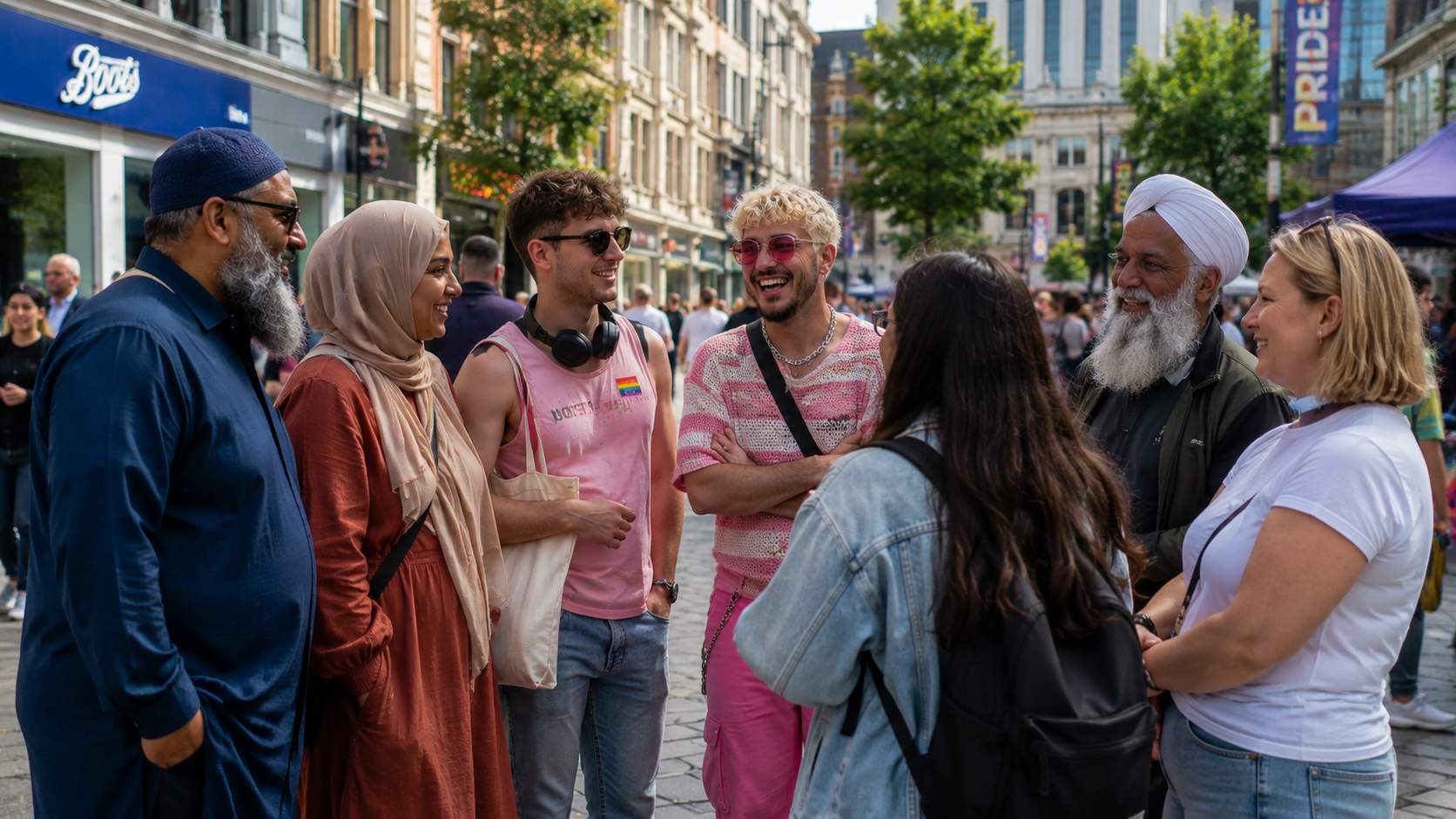
As Pride Month takes place across the UK this June, conversations about identity, faith, family values and community life are once again taking centre stage. In Newcastle, a city known for its diversity and strong community spirit, residents from a wide range of backgrounds are engaging in discussions about what Pride Month means to them and how different beliefs can coexist in modern society.
Pride Month is recognised internationally as a celebration of LGBTQ identities and a reflection on the history of LGBTQ rights. The annual event commemorates the 1969 Stonewall uprising in New York and is marked through parades, educational initiatives, awareness campaigns and community gatherings. While many people participate in celebrations, others approach the month through the lens of religious beliefs, cultural traditions or personal values.
For many Newcastle residents, Pride Month is not simply about politics or activism. It has become part of a broader conversation about how communities with different perspectives can continue to live, work and thrive alongside one another.
Pride Month In A Changing Britain.
The discussion surrounding sexuality and identity has become increasingly visible across British society in recent years. According to the Office for National Statistics, around 2.1 million people in the UK identified as lesbian, gay or bisexual in 2023, representing 3.8% of the population aged 16 and over. The figure has risen steadily from previous years, particularly among younger age groups.
Among people aged 16 to 24, more than one in ten identified as lesbian, gay or bisexual. These demographic changes mean conversations about sexuality, identity and relationships are becoming increasingly common in schools, workplaces and family homes across the country.
In Newcastle, as in many cities, these discussions are taking place across communities with different social, cultural and religious backgrounds. While opinions may differ, many residents agree that understanding each other's perspectives is becoming increasingly important.
Faith Communities And Modern Social Issues.
Many faith communities continue to hold traditional teachings on marriage, family life and sexuality. Christianity, Islam, Judaism and other religious traditions each have established beliefs that shape how followers understand these issues.
For many believers, these teachings remain an important part of their identity and moral framework. At the same time, faith leaders often emphasise the importance of treating all individuals with dignity, kindness and respect, regardless of personal differences.
Across Newcastle, religious organisations regularly encourage dialogue rather than division. Community leaders frequently highlight the importance of maintaining strong relationships between people of different faiths, backgrounds and lifestyles, even when disagreements exist.
The challenge for many communities is finding ways to remain true to deeply held beliefs while continuing to engage positively with a society that is becoming increasingly diverse.
Finding Common Ground Despite Differences.
One reason Pride Month continues to generate discussion is that some religious communities hold views on marriage and sexuality that differ from many of the values promoted during Pride events. These differences can sometimes create tension, particularly when debates involve schools, public policy or representation in public life.
However, many people reject the idea that faith and LGBTQ identities must always be in conflict. Across the UK, there are numerous examples of religious individuals who support the rights and dignity of LGBTQ people while maintaining their own theological beliefs. Likewise, many LGBTQ individuals continue to practise their faith and remain active members of religious communities.
Research by LGBTQ advocacy organisations has shown that many LGBTQ people identify with a religious background, demonstrating that faith and sexuality are often more interconnected than public debates sometimes suggest.
In Newcastle, community groups have increasingly focused on promoting respectful dialogue rather than confrontation. Supporters of LGBTQ rights and people with traditional religious views may disagree on certain issues, but many share a common belief that disagreements should not lead to hatred, discrimination or hostility.
Local leaders often stress that freedom of religion and freedom of expression are both fundamental values within British society. Maintaining those freedoms while encouraging mutual respect remains an ongoing challenge, but one that many communities are actively working to address.
The Role Of Families And Education.
For many families, Pride Month raises questions about how children and young people learn about identity, relationships and different viewpoints. Parents from a range of backgrounds often find themselves discussing topics that previous generations may not have encountered so openly.
Experts generally agree that open communication within families plays an important role in helping young people understand complex social issues. Whether guided by faith, culture or personal values, many parents want their children to develop critical thinking skills and an ability to engage respectfully with differing opinions.
Social media has also become a major influence on how young people view identity and social issues. As a result, many families are taking a more active interest in the information their children consume online and the conversations they encounter.
Across Newcastle, parents from different communities often share similar concerns about helping young people navigate a rapidly changing world while remaining grounded in values that are important to them.
Newcastle's Diverse Community Spirit.
Newcastle has long been recognised for its welcoming atmosphere and strong sense of community. The city is home to people from a wide range of faiths, cultures and backgrounds, creating a rich and diverse social landscape.
This diversity means Pride Month is viewed through many different lenses. Some residents take part enthusiastically in celebrations, while others prefer to observe from a distance or engage in discussions within their own communities. Despite differing opinions, many people share a desire to maintain positive relationships and community cohesion.
The ability to have conversations across differences is often seen as one of Newcastle's strengths. Community organisations, faith groups and local leaders frequently encourage residents to focus on understanding rather than division.
Looking Beyond The Headlines.
Public debates surrounding Pride Month can sometimes become highly polarised, particularly online. Yet away from social media arguments and national headlines, many people are focused on more practical concerns such as family life, community harmony and mutual respect.
The reality is that modern Britain contains a wide range of beliefs, identities and experiences. Navigating these differences requires patience, empathy and a willingness to listen, even when disagreements remain.
For Newcastle residents, the discussion around Pride Month is ultimately part of a wider conversation about how communities evolve while preserving the values that matter most to them. Whether viewed through a religious, cultural or social lens, the focus for many remains the same: building a city where people can express their beliefs and identities without fear of hatred while continuing to respect the rights and freedoms of others.
Share your views below.
Have you seen attitudes towards faith and identity change across Newcastle in recent years?
Community News
Pride Month and Faith: A Growing Conversation
Advertisement



Comments (0)
You must be logged in to post comments.
Don't have an account? Register here
No comments yet. Be the first to share your thoughts!