
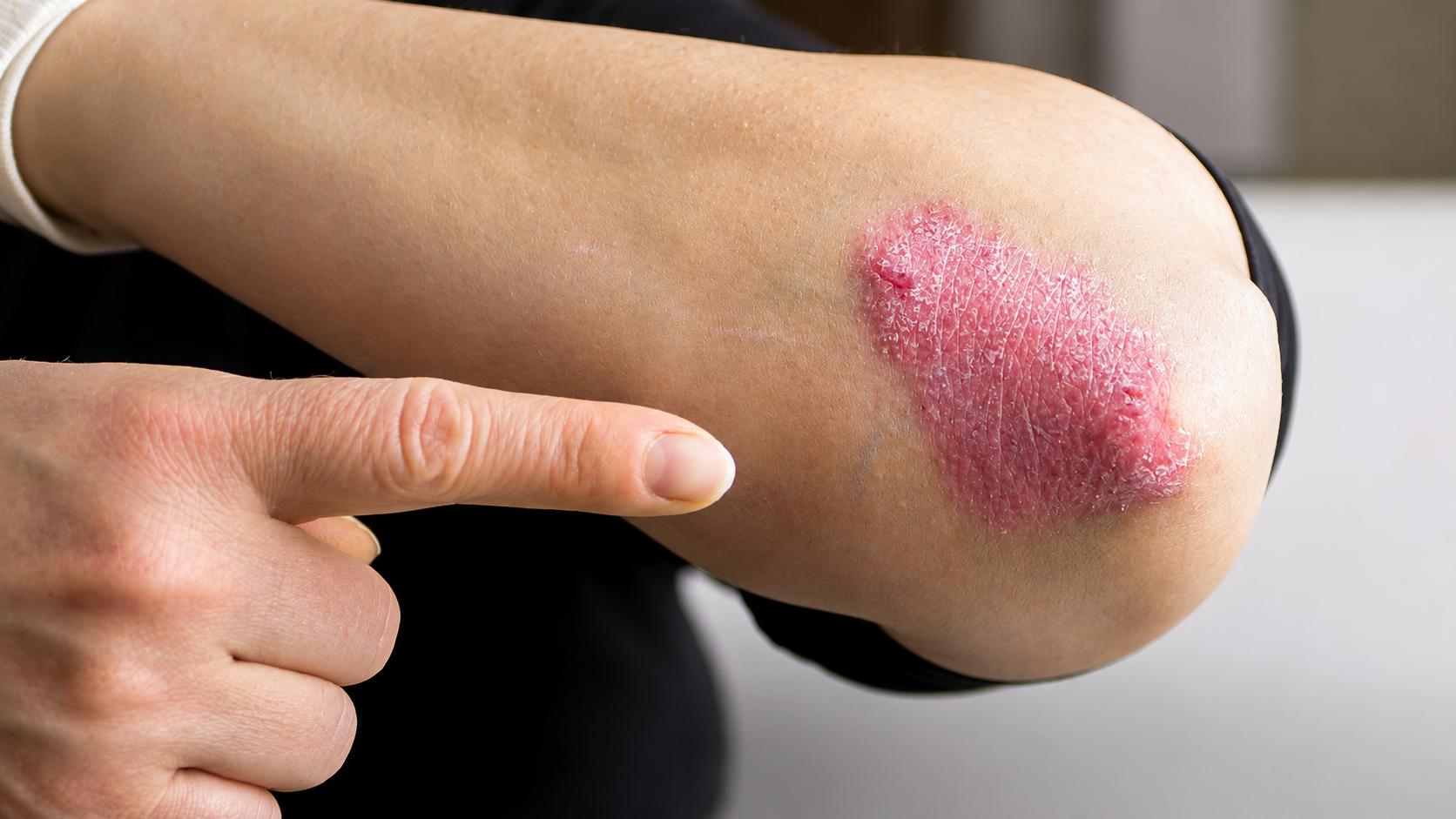
Psoriasis is a common long-term skin condition causing patches of red, flaky, crusty skin covered with silvery scales, most commonly affecting the elbows, knees, scalp and lower back, though it can appear anywhere on the body. It affects an estimated two percent of people in the UK and can develop at any age, though it most commonly first appears between the ages of fifteen and thirty-five.
Psoriasis occurs when the process of skin cell production speeds up considerably, with new skin cells being produced in a matter of days rather than the usual few weeks, causing cells to build up rapidly on the skin's surface. The exact underlying cause remains genuinely complex, though it is understood to involve the immune system mistakenly attacking healthy skin cells, alongside genetic and environmental factors.
Several distinct types of psoriasis exist, with plaque psoriasis, characterised by raised, inflamed patches covered in silvery scales, being by far the most common form, affecting around eighty percent of people with the condition. Other forms include guttate psoriasis, which causes small drop-shaped sores, and less common types including pustular and inverse psoriasis, each with their own distinct appearance and typical triggers.
Common triggers that can cause flare-ups include stress, skin injury, certain medications, infections, particularly throat infections in the case of guttate psoriasis, alcohol consumption and smoking. Cold, dry weather can also worsen symptoms for many people, while some sufferers find their psoriasis genuinely improves during warmer, sunnier months, though sunburn itself can trigger flare-ups too.
Treatment for psoriasis is generally tailored to the severity and specific type of the condition, starting with topical treatments including corticosteroid creams and vitamin D analogues for milder cases. For more severe or widespread psoriasis, treatment may progress to phototherapy, using controlled ultraviolet light exposure under medical supervision, or systemic medications that work throughout the entire body.
Psoriasis carries a genuine emotional and social impact for many people too, beyond the purely physical symptoms, with visible flare-ups sometimes affecting confidence and mental wellbeing considerably. Around one in three people with psoriasis also develop psoriatic arthritis, a related condition causing joint pain, stiffness and swelling, making early diagnosis and proper ongoing management particularly important.
Lifestyle adjustments can genuinely help many people manage their psoriasis alongside medical treatment, including maintaining a healthy weight, since obesity is linked with more severe symptoms, reducing alcohol intake, managing stress where possible, and avoiding smoking, which has been consistently linked with both triggering flare-ups and reducing how well certain treatments actually work.
While psoriasis remains a lifelong condition for most people, symptoms often fluctuate considerably over time, with periods of flare-up followed by periods of remission where skin clears considerably or entirely. With the right combination of treatment and trigger management, the vast majority of people with psoriasis can keep their symptoms well controlled and maintain a genuinely good quality of life.
Newcastle Hospitals NHS Foundation Trust runs dedicated dermatology clinics offering specialist psoriasis treatment, including phototherapy, for patients across the wider North East region whose symptoms require more than standard GP-level care to keep properly under control.
Joining a support group or connecting with others living with psoriasis can genuinely help many people cope with the emotional side of the condition too, since sharing experiences with others who properly understand can ease some of the isolation the condition sometimes brings. Patience with treatment matters too, since many options take several weeks to show their full effect.
Sun exposure in moderation can genuinely help some people's psoriasis symptoms, though this needs balancing carefully against the increased skin cancer risk that comes with excessive sun exposure, making professional advice on safe UV exposure levels genuinely worthwhile. It is a condition that responds well to patience, consistency and the right treatment plan. The Psoriasis Association offers genuinely useful support and information for anyone wanting to connect with others managing the same condition.
Building this understanding over time genuinely helps most people feel more confident managing their own flare-ups.
Join the discussion.
Have you personally tried phototherapy or other psoriasis treatments?
Health News
Psoriasis Explained: Symptoms, Causes and Treatment Options
Psoriasis affects around two percent of people in the UK, and while it cannot be cured, a wide range of treatments can help keep symptoms genuinely well managed.
Advertisement




Comments (0)
You must be logged in to post comments.
Don't have an account? Register here
No comments yet. Be the first to share your thoughts!