
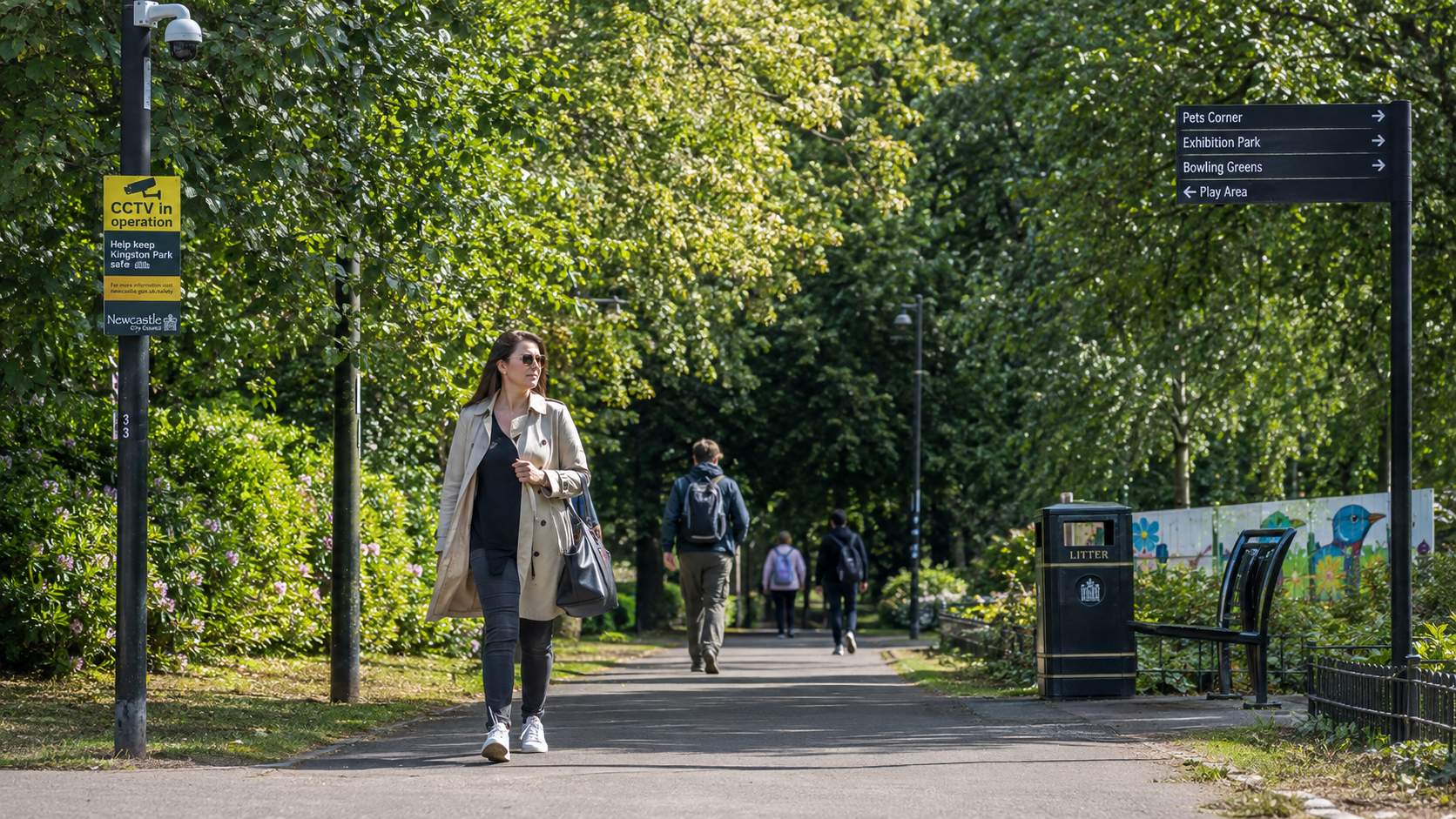
Recent reports of stranger sexual assaults across Newcastle have understandably left many women questioning how safe they feel when walking alone, even during the middle of the day. While the overwhelming majority of journeys end without incident, a number of recent daylight reports across public parks and open spaces have sparked fresh conversations about personal safety across the city.
Police continue to investigate several incidents, and while every case is different, experts say there are practical steps people can take to improve their personal safety without placing responsibility on victims. Ultimately, the blame for any sexual assault lies solely with the offender, but awareness, preparation and confidence can help reduce risk in certain situations.
Why recent incidents matter.
The recent reports have attracted widespread attention because several have allegedly taken place during daylight hours rather than late at night, challenging the common perception that attacks only happen after dark.
Many women in Newcastle and across the North East regularly walk through parks, underpasses and quieter residential routes to reach work, schools, public transport or local shops. Understandably, recent incidents have prompted many residents to reconsider the routes they use and the times they travel.
Police continue to encourage anyone who witnesses suspicious behaviour to report it immediately, even if no offence has taken place. Early reports can help officers identify patterns and respond more quickly.
Practical ways to improve personal safety.
Security experts generally recommend staying aware of your surroundings, particularly when walking through isolated areas. Avoid becoming completely absorbed in a mobile phone or wearing headphones at a volume that blocks surrounding sounds.
If possible, choose well-lit routes with regular pedestrian traffic, even if the journey takes a little longer. Many people now share their live location with trusted family members or friends when travelling alone, particularly during early mornings or evenings.
If someone makes you feel uncomfortable, trust your instincts. Crossing the road, entering a nearby shop or café, or calling someone while remaining in a busy public place are all sensible options.
Personal safety alarms have also become increasingly popular because they attract attention without requiring physical confrontation. Many universities and community safety organisations recommend carrying one as an additional precaution.
Technology can provide extra reassurance.
Modern smartphones include several built-in emergency features that many users never activate.
Apple's Emergency SOS and Android Emergency SOS functions can quickly alert emergency contacts and, if required, contact emergency services with your location. Safety apps also allow trusted contacts to monitor journeys in real time.
While technology cannot prevent crime, it can reduce emergency response times and provide reassurance to family members.
Community awareness is equally important.
Keeping communities safe is not solely the responsibility of police. Residents who report suspicious behaviour, damaged lighting, overgrown pathways or broken CCTV cameras can all contribute to making public spaces safer.
Neighbourhood groups across Newcastle have increasingly used local social media pages to share safety concerns and alert others to incidents, although police advise people not to speculate about suspects or share unverified information online.
The numbers behind the issue.
Official figures show sexual violence remains a significant issue across England and Wales, although experts stress that recorded crime does not necessarily reflect the true scale because many victims never report offences.
The Office for National Statistics estimates around 900,000 adults experienced sexual assault, including attempted offences, during the year ending March 2025. Approximately 739,000 of those victims were women, representing around 3 percent of adult females.
The same data shows that around 7.7 million adults, or roughly one in six people, have experienced some form of sexual assault since the age of 16.
Separate ONS analysis found that around 8 percent of rape or assault by penetration incidents occurred on streets, in parks, car parks or other public open spaces, while many more offences happened in private settings involving someone known to the victim.
More recent crime figures also estimate around 1 million adults experienced sexual victimisation during the year ending March 2026, while police recorded more than 217,000 sexual offences across England and Wales. Experts caution that increases in recorded offences can partly reflect improved reporting and recording practices alongside changes in offending.
Support is always available.
Anyone affected by sexual assault should know they are not alone. Northumbria Police, NHS Sexual Assault Referral Centres, Rape Crisis England and Wales and numerous North East charities provide confidential support, whether or not someone chooses to report an incident to police.
Support organisations consistently emphasise that victims should never feel blamed for what happened. The responsibility always lies with the person who committed the offence.
As Newcastle continues to debate public safety following recent incidents, many residents hope increased awareness, community vigilance and continued police investigations will help prevent further offences and reassure those who use the city's parks and public spaces every day.
Share your experience.
What personal safety tips would you share with others in Newcastle?
Community News
Public Safety Advice Amid Growing Sexual Assault Concerns
Advertisement



Comments (0)
You must be logged in to post comments.
Don't have an account? Register here
No comments yet. Be the first to share your thoughts!