
In the days before medicine was properly regulated and understood, the market was awash with cure-alls, tonics and remedies of every kind, promoted by colourful characters who promised miraculous results. The age of the quack and the patent remedy is a fascinating and colourful chapter in the history of health, a time when extravagant claims and dubious potions flourished in the absence of proper regulation. It is a story that is both entertaining and instructive.
A Market of Remedies.
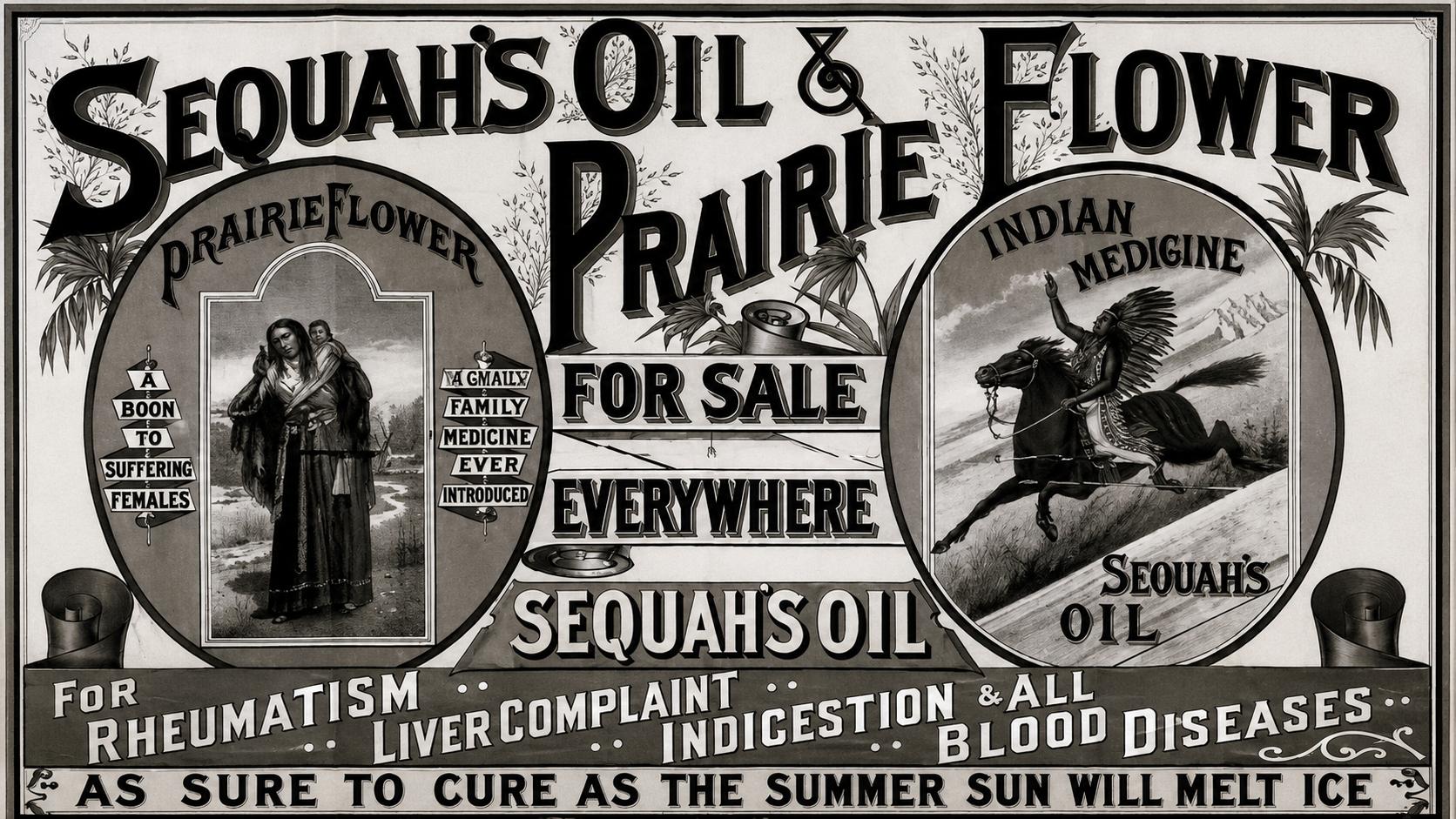
In earlier times, before medicine was properly regulated, there flourished a vast market of patent remedies, tonics and cure-alls of every description. These products, sold to the public with extravagant claims, promised to cure a remarkable range of ailments, often all at once. The remedies were widely advertised and sold, and they found a ready market among people desperate for relief from their ailments in an age when proper medicine could do little for many complaints. The market of patent remedies was enormous and varied, offering an endless array of potions, pills and tonics, each promising health and cure to the hopeful purchaser. It was a flourishing trade, built on hope and on the absence of effective regulation.
Extravagant Claims.
The patent remedies were promoted with claims of the most extravagant kind, promising to cure almost any ailment and to restore health and vigour. The advertisements for these products made bold and often outrageous assertions, presenting the remedies as miraculous cures for a host of conditions. These extravagant claims, unconstrained by any requirement to prove their truth, were a hallmark of the patent remedy trade, and they drew in customers eager for the cures they promised. The willingness of the purveyors to make such claims, and of the public to believe them, reflected both the absence of regulation and the depth of the human desire for health and cure. The claims were a key part of the appeal of the remedies.
The Travelling Quack.
Among the most colourful figures of the age were the travelling quacks, who journeyed from place to place selling their remedies to the public. These showmen would set up at fairs, markets and gatherings, drawing a crowd with their patter and their performances before selling their potions and cures. The travelling quack was a master of showmanship, using spectacle and persuasion to promote his wares and to part the public from their money. These colourful characters were a familiar sight at gatherings, and their performances were a form of entertainment as well as a means of selling remedies. The travelling quack, with his extravagant claims and his theatrical salesmanship, was one of the most memorable figures of the age of patent remedies.
Hope and Desperation.
The success of the patent remedies and the quacks who sold them reflected the depth of the human desire for health and the desperation of those suffering from illness. In an age when proper medicine could do little for many ailments, people were willing to try anything that promised relief, and the patent remedies offered hope where conventional medicine offered little. The appeal of the remedies lay in this promise of cure, and the willingness of people to spend their money on them reflected their desperation for health and their hope of finding a remedy. The trade in patent remedies was built on this hope and desperation, offering the promise of cure to those who had nowhere else to turn. It exploited a genuine and universal human need.
A Lack of Regulation.
The flourishing of the patent remedy trade was made possible by the absence of proper regulation. In an age before the testing and licensing of medicines, anyone could concoct and sell a remedy, making whatever claims they wished, without any requirement to prove its safety or effectiveness. This lack of regulation allowed the trade in dubious remedies to flourish unchecked, with potions of unknown and sometimes harmful content sold freely to the public. The absence of safeguards meant that the public had little protection against worthless or even dangerous products, and they relied on their own judgement in a market full of false claims. The lack of regulation was the condition that allowed the age of patent remedies to flourish.
The Coming of Regulation.
The age of unregulated patent remedies eventually came to an end as medicine was placed on a more scientific footing and proper regulation was introduced. The development of scientific medicine, the testing of treatments and the regulation of medicines transformed the situation, providing safeguards against false claims and dangerous products. The introduction of regulation protected the public from the worst excesses of the patent remedy trade, requiring that medicines be shown to be safe and effective. This was an important advance, bringing an end to the age when dubious remedies could be sold freely and protecting the public from exploitation and harm. The coming of regulation marked the passing of the colourful but dangerous age of the quack and the cure-all.
A Colourful Chapter.
The age of the quack and the patent remedy is a colourful and instructive chapter in the history of health. The flourishing market of cure-alls and tonics, the extravagant claims, the travelling quacks and the absence of regulation combine to form a fascinating picture of health and medicine in earlier times. The story is entertaining in its colour and spectacle, but it is also instructive, reminding us of the importance of proper regulation and of the dangers of false claims and dubious remedies. The passing of the age of patent remedies, with the coming of scientific medicine and regulation, was an important advance for the protection and health of the public, and it marked the end of a colourful but cautionary chapter in the history of health.
A Cautionary Tale.
The age of the quack and the patent remedy offers a cautionary tale that remains relevant today, reminding us of the dangers of false claims, the importance of evidence, and the enduring human vulnerability to those who promise easy cures.
The flourishing of the patent remedy trade depended on the absence of regulation and on the willingness of people to believe extravagant claims, and it demonstrated the harm that can result when products are sold on the basis of false promises rather than proven effectiveness.
The remedies, for all their bold claims, were often worthless and sometimes harmful, and the public, lacking the protection of regulation, had little means of distinguishing genuine treatments from dubious ones.
This history underlines the importance of evidence and regulation in protecting the public from false claims and dangerous products, and the value of the safeguards that now require medicines to be shown to be safe and effective. It also reminds us of the enduring human vulnerability to those who promise easy cures, a vulnerability rooted in the deep desire for health and the desperation of those who are ill.
This vulnerability is not confined to the past, for the desire for health and the willingness to believe in promised cures remain as strong as ever, and the temptation to embrace remedies that offer hope without evidence persists. The lessons of the age of patent remedies, about the importance of evidence, the dangers of false claims and the need for protection against exploitation, remain relevant in any age.
The history of the quacks and the cure-alls is thus more than a colourful curiosity; it is a cautionary tale about the importance of evidence and regulation and the enduring human susceptibility to false promises of health. In remembering this history, we are reminded of the value of the safeguards that protect us and of the importance of basing our trust in treatments on evidence rather than on extravagant claims.
The cautionary lesson of the age of patent remedies endures, a reminder of the dangers that flourish in the absence of evidence and regulation.
Share your thoughts.
Before medicine was regulated, the market was awash with cure-alls and quacks promising miraculous results.
Are there any old-fashioned remedies that you or your family still use today?
Health News
Cure-Alls and Quacks: The Age of Patent Remedies
A colourful look at the age of quacks and patent remedies, when cure-alls and tonics with extravagant claims flourished before medicine was properly regulated.
Advertisement





Comments (0)
You must be logged in to post comments.
Don't have an account? Register here
No comments yet. Be the first to share your thoughts!