
Shingles is a viral infection causing a painful rash, occurring when the varicella-zoster virus, the same virus responsible for chickenpox, reactivates after lying dormant within the nervous system, sometimes for many decades following an original chickenpox infection, often dating back to childhood. It affects an estimated one in four people in the UK at some point during their lifetime.
The exact reason the virus reactivates in some people and not others remains genuinely unclear, though it is generally understood to happen when the immune system weakens, whether through ageing, stress, illness, or certain medications that suppress immune function. This explains why shingles becomes considerably more common with age, and why risk increases for people with weakened immune systems specifically.
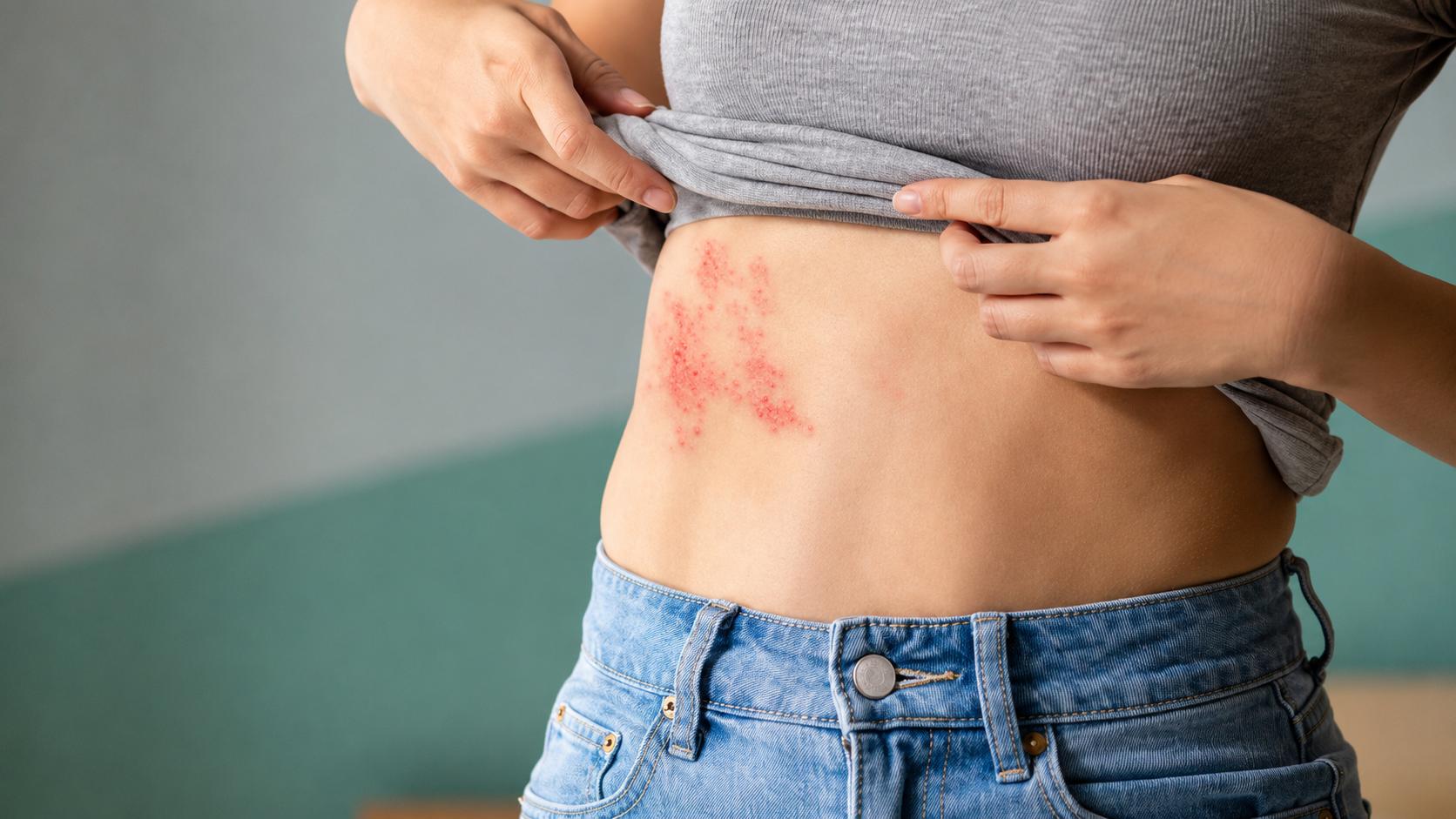
Shingles typically begins with a tingling, burning or painful sensation in a specific area of skin, often before any visible rash actually appears, followed within a few days by a painful, blistering rash that usually appears in a distinct band or strip on one side of the body only, following the path of the affected nerve, most commonly across the torso, though it can appear anywhere on the body.
Alongside the characteristic rash, many people experience additional symptoms including fever, headache, tiredness and general unwellness, particularly in the days before the rash itself appears. The pain associated with shingles can range from mild through to genuinely severe, and some people describe the sensation as burning, stabbing or intensely itchy, varying considerably between individuals.
Antiviral medication, most effective when started within seventy-two hours of the rash first appearing, can help reduce the severity and duration of a shingles episode, alongside reducing the risk of complications. This makes seeking prompt medical advice genuinely important as soon as shingles is suspected, rather than waiting to see whether symptoms improve on their own first.
The most significant potential complication of shingles is postherpetic neuralgia, persistent nerve pain that continues in the affected area even after the rash itself has fully healed, sometimes lasting months or, in some cases, years. This complication becomes considerably more common with increasing age, making prompt treatment particularly important for older adults specifically.
A vaccine is available on the NHS for older adults specifically, significantly reducing the risk of developing shingles in the first place, and reducing the severity of symptoms in those who do still develop it despite vaccination. Anyone in the eligible age group should check with their GP practice about vaccine availability, since prevention offers genuinely significant benefits over treating the condition after it develops.
Most people recover fully from shingles within two to four weeks, particularly with prompt treatment. Anyone suspecting they may have shingles, particularly if the rash appears near the eyes, which can risk vision complications, should seek medical advice promptly, since early treatment genuinely offers the best chance of a quicker, more comfortable recovery.
The shingles vaccine is available through GP practices across Newcastle for eligible age groups, and uptake has been strongly encouraged locally given how significantly the vaccine can reduce both the likelihood of developing shingles and the severity of symptoms in those who do.
Wearing loose, comfortable clothing over the affected area during a shingles episode can help reduce irritation considerably, since even light contact with the rash can feel genuinely uncomfortable for many people while symptoms remain at their most active. Prompt treatment consistently offers the best chance of a smoother, more comfortable recovery overall.
Avoiding contact with anyone who has not previously had chickenpox during an active shingles episode remains genuinely important too, since the virus can spread and cause chickenpox in someone who has never previously been exposed to it. It is a condition that, with prompt treatment, most people recover from fully and completely. The Shingles Support Society offers genuinely useful resources for anyone wanting more detailed information on the condition and its treatment.
Building awareness of the vaccine genuinely helps more eligible people take advantage of this genuinely effective preventive option.
Join the conversation below.
Have you had the shingles vaccine yet yourself?
Health News
Shingles Explained: Symptoms, Causes and Treatment
Shingles affects around one in four people in the UK during their lifetime, caused by the same virus responsible for chickenpox lying dormant in the body for decades.
Advertisement




Comments (0)
You must be logged in to post comments.
Don't have an account? Register here
No comments yet. Be the first to share your thoughts!