
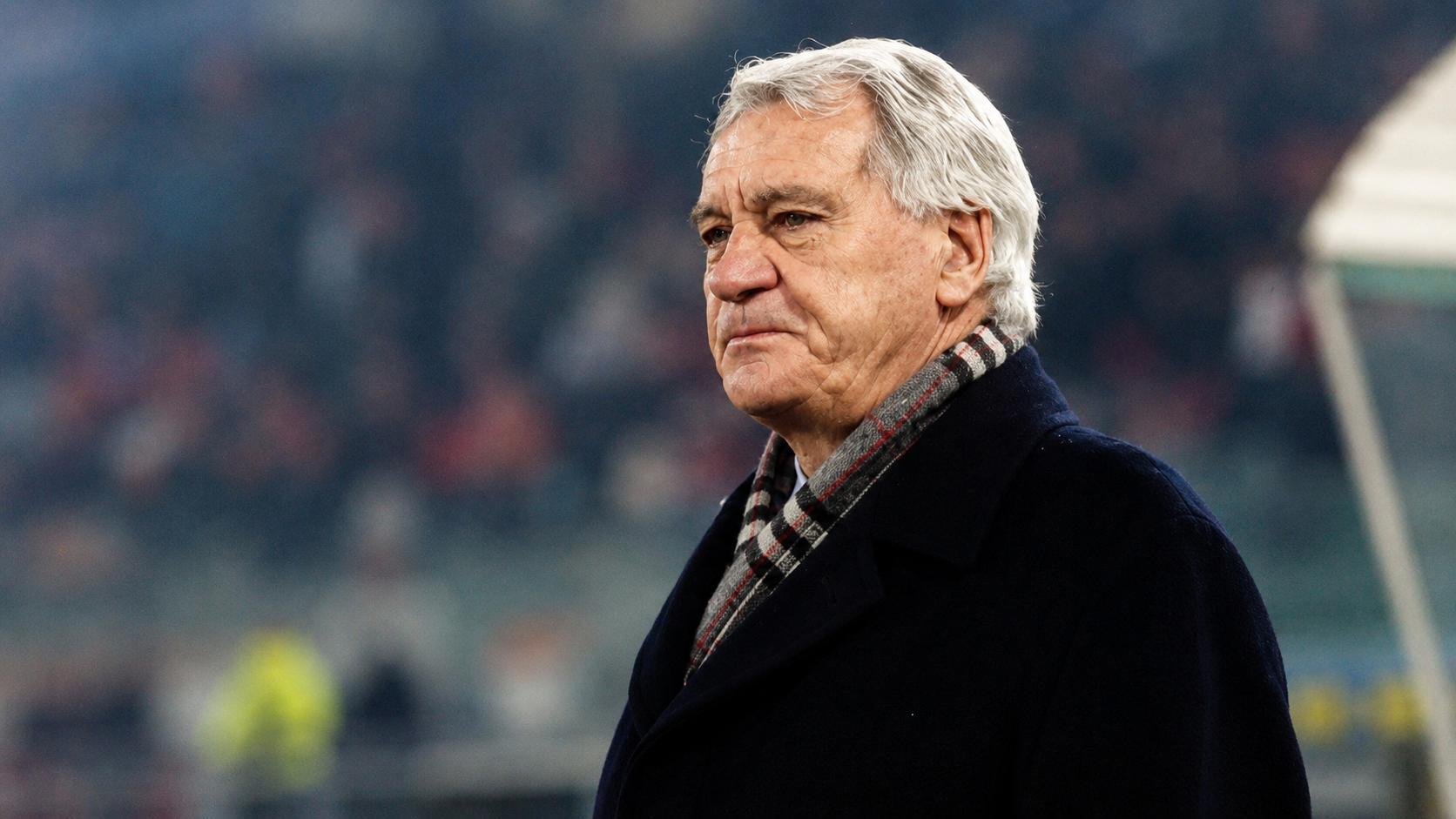
Some figures in sport transcend the game entirely, remembered as much for their humanity as for their achievements. Sir Bobby Robson was such a man. Born in a County Durham mining village and beloved across the world of football, he managed some of the greatest clubs on the planet before returning home to lead Newcastle United, the team he had supported as a boy. His warmth, dignity and lifelong passion for the game made him one of the most cherished personalities English football has ever known.
A Miner's Son from Sacriston.
Robert William Robson was born in Sacriston, County Durham, in 1933, the fourth of five sons, and grew up in the nearby village of Langley Park where his father worked down the pit. The family home was modest, with no bath and an outside toilet, and young Bobby travelled to St James' Park with his father to watch the heroes of the day. That early devotion to Newcastle United never left him, and it would shape the most emotional chapter of his long career many decades later. He trained as an apprentice electrician before football offered a different path.
A Distinguished Playing Career.
Robson made his name as a player with Fulham and West Bromwich Albion, an inside-forward of skill and intelligence who won twenty caps for England and played in World Cup squads. He was a respected professional in an era of modest wages and hard pitches, and the experience he gathered on the field laid the foundation for the management career in which he would truly flourish. After a brief spell in North America and a short return to Fulham as manager, he took charge of Ipswich Town, and his life's work began in earnest.
The Making of a Great Manager.
At Ipswich, Robson transformed an unfashionable provincial club into a force in English and European football. He won the FA Cup in 1978 and the UEFA Cup in 1981, building teams renowned for their attacking style and their spirit. His success earned him the England job in 1982, and over eight years he guided the national team with distinction, reaching the semi-finals of the 1990 World Cup, England's finest run in the tournament since their triumph of 1966. The image of Robson on the touchline, living every kick, became part of the national memory.
A Citizen of European Football.
After England, Robson embarked on a remarkable continental adventure, managing PSV Eindhoven, Sporting Lisbon, Porto and Barcelona, winning league titles and trophies in the Netherlands and Portugal and working with some of the finest players in the world. His ability to succeed across different countries and cultures marked him out as a manager of rare gifts, and he earned enormous respect throughout the European game. Yet for all these glittering achievements abroad, the role that meant the most to him was still to come.
Coming Home to Newcastle.
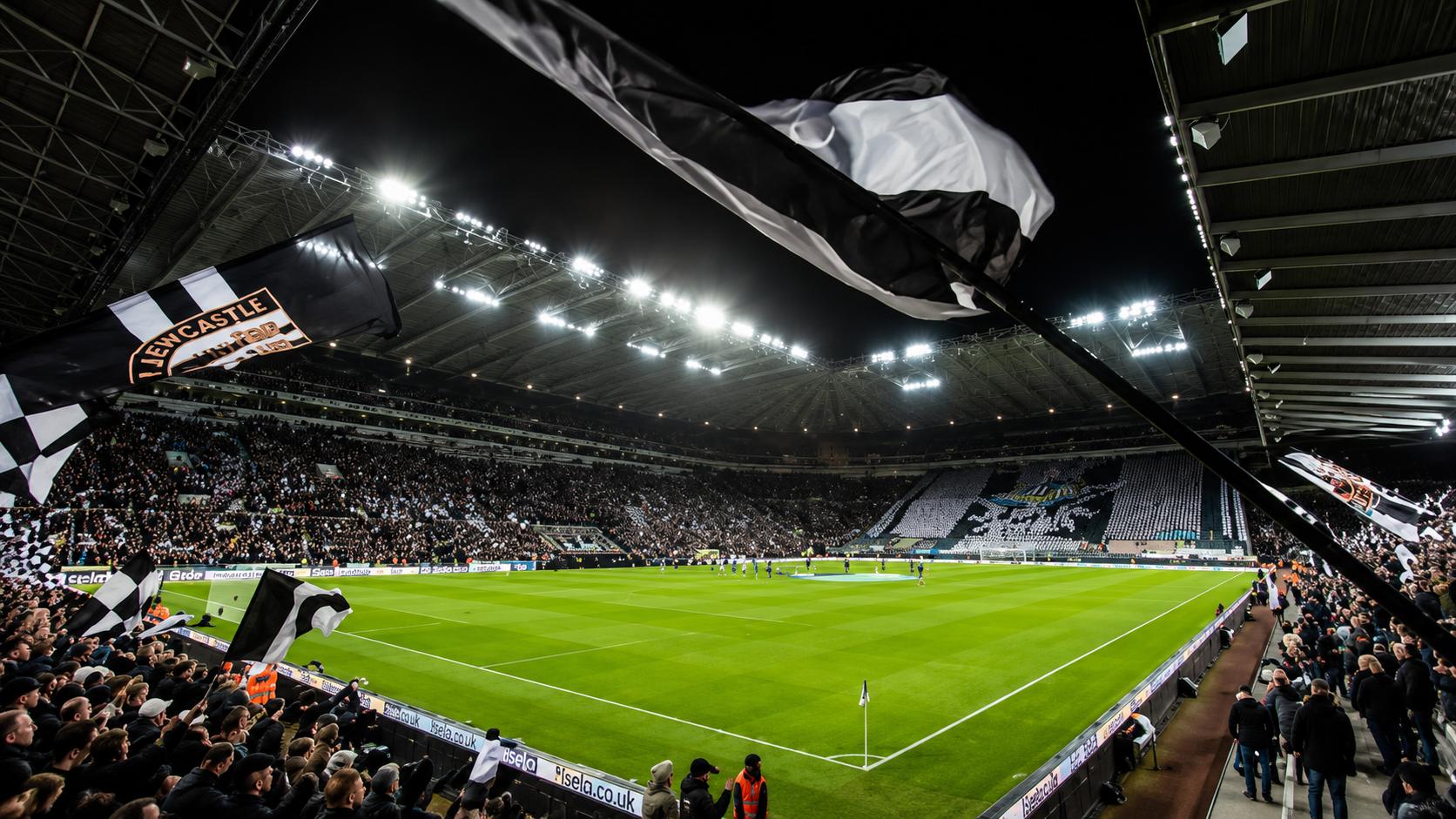
In 1999, at the age of sixty-six, Robson was appointed manager of Newcastle United, the club of his boyhood dreams. He described leading his hometown team as the proudest role of his life, and he brought a cultured, attacking brand of football to St James' Park that thrilled the supporters and revived the club. The bond between Robson and the Newcastle crowd was profound, rooted in his Geordie heart and his evident love for the region. When he was granted the Freedom of the City, he spoke of it as the proudest moment of his life, a sentiment that captured how deeply Tyneside had claimed him as its own.
A Foundation and a Lasting Gift.
Robson fought cancer with great courage over many years, and in 2008 he established the Sir Bobby Robson Foundation, dedicated to raising money for cancer research and treatment. The Foundation has since raised many millions of pounds and helped fund a research centre at the Freeman Hospital in Newcastle, ensuring that his name continues to do good long after his death in 2009. It stands as perhaps his greatest legacy, a charitable mission born of personal suffering and powered by the affection of a region that adored him.
The Measure of the Man.
Sir Bobby Robson was knighted for his services to football and honoured around the world, yet those who knew him speak most often of his kindness, his enthusiasm and his unfailing decency. He was a gentleman in the truest sense, a man who never lost his love for the game or his connection to the community that produced him. His statue stands outside St James' Park, and his memory is invoked with warmth whenever the values of dignity and passion in football are discussed. To remember Sir Bobby is to celebrate not only a great manager but a great human being, whose legacy lives on in the work of his Foundation and in the hearts of all who admired him.
The Wisdom He Shared.
Beyond the trophies and the titles, Sir Bobby Robson left a legacy of wisdom that continues to influence the game. He mentored countless players and younger managers, many of whom went on to great success themselves and who speak of his guidance with profound gratitude. He understood that football was ultimately about people, and he treated those around him with a respect and warmth that inspired loyalty and brought out the best in them. His autobiographies and reflections offered insights into leadership, resilience and the love of the game that resonate far beyond the touchline. He had an extraordinary ability to communicate his passion, to make players believe in themselves and to create an atmosphere in which talent could flourish. Even in his final years, weakened by illness, he remained generous with his time and his counsel, determined to give something back to the sport that had given him so much. The values he embodied, of decency, hard work and unfailing enthusiasm, became a model that others sought to follow. In an industry often criticised for its harshness, Robson stood as proof that success and humanity could go hand in hand, and that lesson may be the most enduring part of all that he left behind.
We want to hear from you.
Sir Bobby Robson's legacy lives on through his Foundation and the affection of the region that adored him.
What does Sir Bobby Robson's story mean to you and the way you think about football?
Sports News
A Gentleman of Football: The Legacy of Sir Bobby Robson
The life and legacy of Sir Bobby Robson, the County Durham miner's son who managed England, Barcelona and Newcastle United and founded a cancer charity.
Advertisement



Comments (0)
You must be logged in to post comments.
Don't have an account? Register here
No comments yet. Be the first to share your thoughts!