
Smartwatches have moved a long way from step counting. Current devices measure heart rhythm, blood oxygen saturation, skin temperature and sleep stages, and present the results with considerable confidence.
Understanding what those measurements actually are, and what they are not, matters. This article explains the features; it is not medical advice, and anything concerning your health should go to a GP.
Optical heart rate is the foundation.
Almost every wearable measures heart rate using photoplethysmography, shining light into the skin and measuring how much is reflected back as blood volume changes with each beat.
It works well at rest and reasonably well during steady exercise. It is least accurate during high-intensity interval activity, during weight training with wrist flexion, and in cold weather when blood flow to the extremities reduces.
Fit matters enormously. A loose strap is the single most common cause of poor readings. The watch should sit snugly, above the wrist bone, tight enough not to slide.
For anyone training seriously, a chest strap remains more accurate and pairs with most watches.
ECG is a screening tool, not a diagnosis.
Several watches offer a single-lead electrocardiogram, taken by placing a finger on the crown or bezel to complete a circuit.
These features are principally designed to detect signs of atrial fibrillation, an irregular heart rhythm that increases stroke risk and frequently produces no symptoms.
A single-lead ECG is not equivalent to the twelve-lead ECG used in hospital. It can indicate a possible problem worth investigating; it cannot rule one out, and it does not detect most other cardiac conditions.
If a watch flags a possible irregular rhythm, the correct response is to contact a GP rather than to panic or to dismiss it. Bring the recording, which most apps allow you to export as a PDF.
Blood oxygen readings need context.
SpO2 sensors estimate blood oxygen saturation using a similar optical principle.
Consumer devices are explicitly not medical pulse oximeters and are generally marketed for wellness rather than clinical use. Readings can be affected by fit, movement, cold, skin tone and tattoos.
They can be useful for spotting trends over time, particularly in sleep data where repeated dips may prompt a conversation about sleep apnoea. They should not be used to make decisions about acute illness.
Sleep tracking is an estimate.
Watches infer sleep stages from movement, heart rate and heart rate variability. Clinical sleep staging requires measuring brain activity, which no wrist device does.
That means stage breakdowns — light, deep, REM — are estimates, and accuracy varies considerably between devices.
Total sleep duration and consistency of bedtime are measured far more reliably than stages, and those are also the metrics that matter most for sleep quality.
A caution worth stating: some people find detailed sleep scores increase anxiety about sleep, which is counterproductive. If a sleep score is making you sleep worse, turn it off.
Other sensors vary in usefulness.
Skin temperature sensing, present on several devices, is used for cycle tracking and illness detection based on deviation from your own baseline rather than absolute temperature.
Fall detection and emergency SOS features can automatically contact emergency services and nominated contacts after a hard fall, which is genuinely valuable for older users and for people exercising alone.
Stress measurements are generally derived from heart rate variability and should be treated as a rough indicator rather than a measurement of how you feel.
Choosing between watch and tracker.
Full smartwatches offer apps, notifications, contactless payment and voice assistants, at the cost of battery life measured in days rather than weeks.
Fitness bands are cheaper, lighter and last considerably longer between charges, and for someone who wants activity and sleep data without notifications, they may be the better buy.
Ecosystem matters. Apple Watch requires an iPhone. Some Android watches offer reduced functionality with iPhones. Check compatibility before buying rather than after.
Battery life and charging.
Battery life is the most common source of disappointment. A watch requiring daily charging cannot track sleep unless you charge it during the day.
Always-on displays, GPS use and high-frequency heart rate sampling all reduce runtime substantially, and manufacturer figures generally assume conservative settings.
If sleep tracking matters to you, prioritise multi-day battery life.
Subscriptions have crept in.
Several manufacturers now place advanced analysis behind subscriptions, with the watch providing basic data free and detailed insights charged monthly.
Check what is included before buying, particularly if the features you want are the ones behind the paywall.
Practical use in the North East.
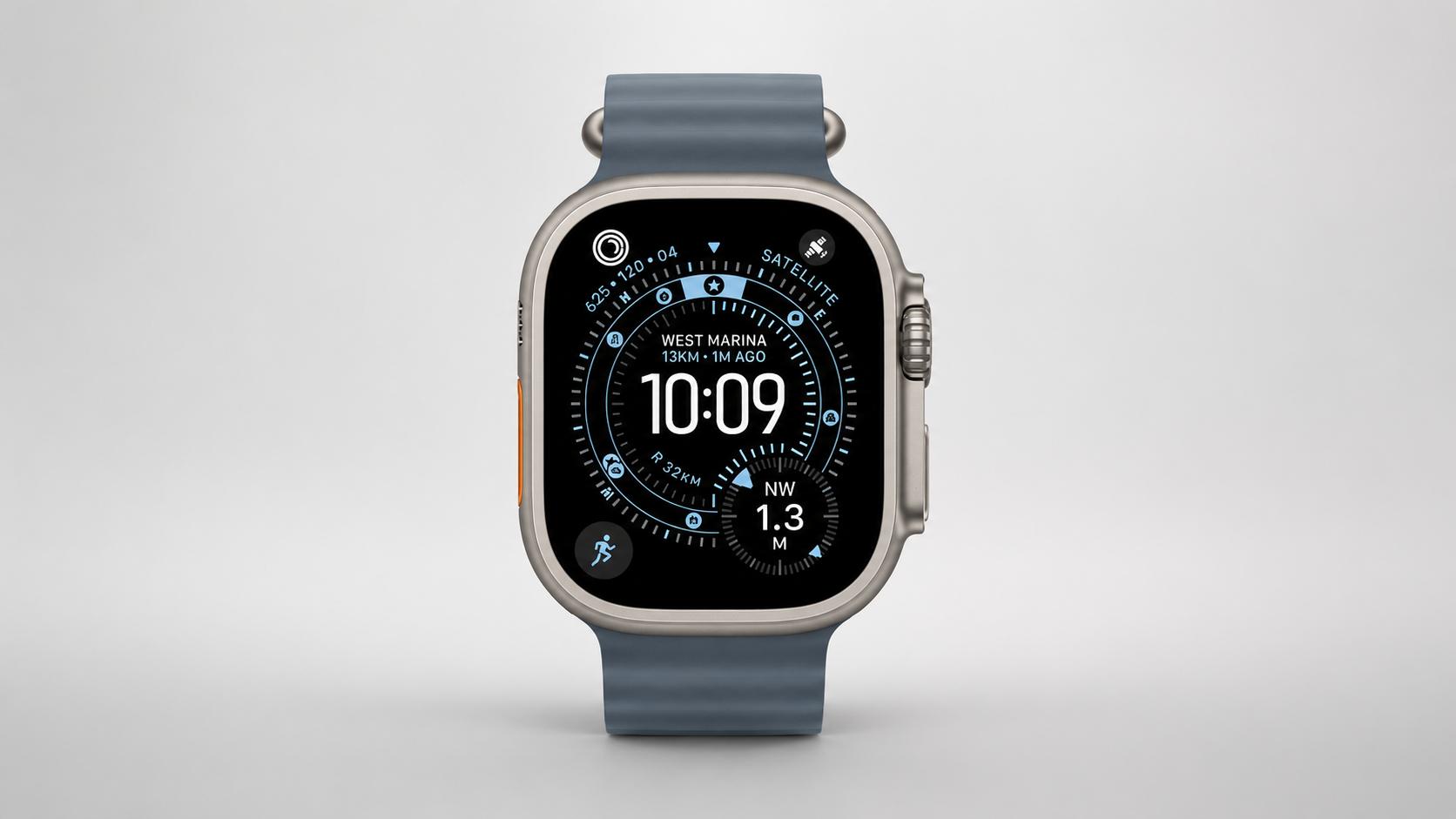
For anyone running the Great North Run, walking the Northumberland Coast Path or cycling the Coast to Coast, GPS accuracy and battery life matter more than any health sensor.
Multi-band GPS improves accuracy in built-up areas including Newcastle city centre, where tall buildings degrade single-band positioning.
Offline maps are valuable in the Cheviots and Kielder, where mobile coverage is patchy and a watch dependent on a phone connection may be of limited use.
Share your thoughts.
Has a wearable ever told you something about your health worth acting on?
Tech News
Smartwatches: What the Health Features Actually Do
Wearables now measure heart rhythm, blood oxygen and sleep. Understanding what those readings are and are not is the difference between useful and worrying.
Advertisement




Comments (0)
You must be logged in to post comments.
Don't have an account? Register here
No comments yet. Be the first to share your thoughts!