
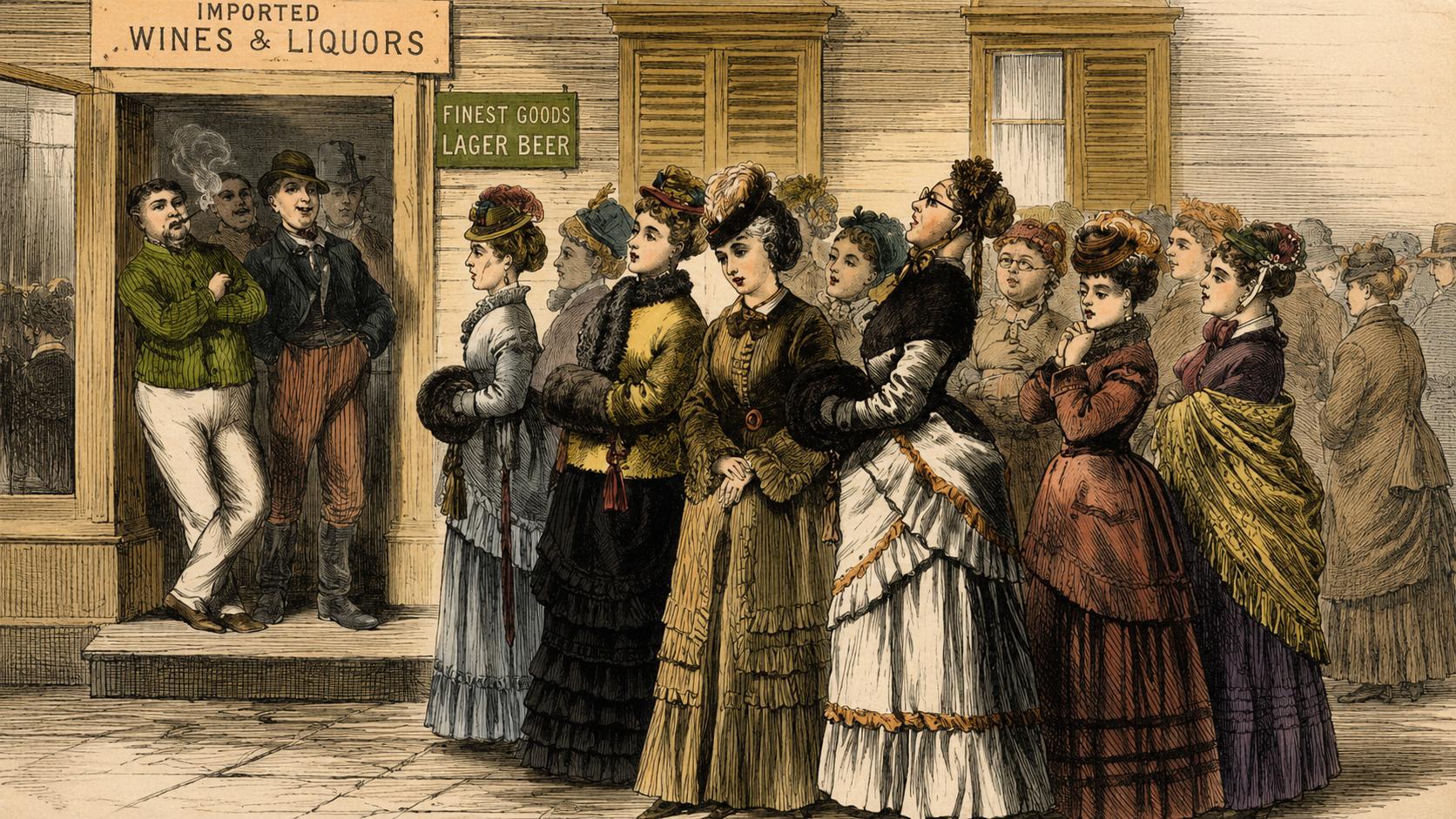
In the nineteenth century, a great social and moral movement swept through the towns and cities of the country, dedicated to combating the harms of strong drink and improving the health and welfare of the people. The temperance movement, with its pledges, its halls and its campaigns, was a powerful force in the North East, and it formed part of a wider effort to improve the conditions of life. The story of the temperance movement is a fascinating chapter in the history of health and social reform.
The Problem of Drink.
The temperance movement arose in response to the widespread harms caused by excessive drinking, which was a serious social problem in the industrial towns. Heavy drinking brought poverty, ill health, family breakdown and a host of other harms, and it was seen by reformers as a major cause of misery and degradation. The reformers who launched the temperance movement were moved by a desire to combat these harms and to improve the health and welfare of the people, particularly the working classes who were most affected. The problem of drink was a genuine and serious one, and the temperance movement represented a determined effort to address it and to relieve the suffering it caused.
The Call for Temperance.
The temperance movement called on people to moderate or abstain from the consumption of strong drink, in the interest of their health, their welfare and their moral wellbeing. Some advocated moderation, while others called for complete abstinence, urging people to give up drink entirely and to sign a pledge committing themselves to do so. The taking of the pledge became a central feature of the movement, a public commitment to abstinence that bound the individual to the temperance cause. The call for temperance was promoted through meetings, publications and campaigns, spreading the message of the harms of drink and the benefits of abstinence. The movement sought to change behaviour and to improve lives through the embrace of temperance.
The Temperance Halls.
The temperance movement established halls and meeting places where its supporters could gather and where its activities could be carried on. These temperance halls provided a focus for the movement, hosting meetings, lectures and social events, and offering an alternative to the public house as a place of gathering and recreation. The halls were important centres of the temperance movement, where the cause was promoted and where supporters could come together in fellowship. They reflected the movement's desire to provide wholesome alternatives to drinking and to create a social life that did not revolve around strong drink. The temperance halls were a tangible expression of the movement and its values.
Alternatives to the Public House.
A key aspect of the temperance movement was its effort to provide attractive alternatives to the public house and to the culture of drinking. Temperance bars and coffee houses offered non-alcoholic refreshments, providing places where people could socialise and enjoy themselves without drink. The movement promoted wholesome recreations and entertainments as alternatives to the pub, seeking to draw people away from drinking by offering other attractions. This effort to provide alternatives reflected the movement's recognition that drinking was bound up with social life and recreation, and that combating it required offering other ways for people to gather and enjoy themselves. The provision of these alternatives was an important and constructive aspect of the movement.
A Movement for Improvement.
The temperance movement was part of a wider effort to improve the conditions and the welfare of the people, particularly the working classes. The reformers who promoted temperance were often involved in other causes of social improvement and reform, and they saw the combating of drink as part of a broader campaign to better the lives of the people. The movement was bound up with concerns about health, poverty, education and morality, and it reflected a determination to improve the conditions of life and to raise the welfare of the people. The temperance movement was thus part of the great current of social reform that ran through the nineteenth century, dedicated to the improvement and betterment of society.
A Lasting Influence.
The temperance movement had a significant and lasting influence on attitudes to drink and on the social life of the communities it touched. While it did not achieve all its aims, the movement raised awareness of the harms of excessive drinking and promoted more moderate attitudes, and it left a lasting mark on the culture and institutions of the region. The values and concerns of the movement, its emphasis on health, welfare and moderation, continued to influence attitudes long after its heyday. The temperance movement was a powerful force for change, and its influence on attitudes to drink and on the welfare of the people was considerable and enduring. It left a legacy that shaped the social life of the region.
A Reforming Spirit.
The temperance movement is a fascinating part of the history of health and social reform in the North East, reflecting a determined effort to combat the harms of drink and to improve the welfare of the people. With its pledges, its halls and its campaigns, the movement sought to change behaviour and to better the conditions of life, as part of a wider current of social reform. Though attitudes to drink have changed and the movement has passed its peak, the temperance movement deserves to be remembered for its concern for health and welfare and for its reforming spirit. It reflected a genuine desire to improve the lives of the people and to combat a real and serious social harm.
A Movement of Working People.
The temperance movement, though it had supporters across society, was in large part a movement of and for working people, bound up with the broader efforts of the working communities to improve their conditions and their lives. Many of those who embraced temperance were working people themselves, who saw in the combating of drink a means of improving their own welfare and that of their families and communities.
The harms of excessive drinking fell heavily on working people and their families, in poverty, ill health and hardship, and the temperance movement offered a path to a better and more secure life. For many working people, the embrace of temperance was bound up with aspirations for self-improvement, respectability and a better life, and it was connected to the broader movements of working-class self-help and improvement.
The temperance halls and the alternatives to the public house provided working people with wholesome recreation and fellowship, and the movement offered a framework of values and community that supported its members in their commitment to temperance. The connection between temperance and the aspirations of working people for a better life was a powerful one, and it gave the movement much of its strength and appeal.
The temperance movement was thus part of the broader current of working-class self-improvement and reform, connected to the same aspirations and the same spirit of self-help that found expression in the friendly societies, the co-operatives and the other institutions of working-class life. In embracing temperance, working people sought to improve their own conditions and to build better lives for themselves and their families, and the movement reflected their determination and their aspirations.
The temperance movement, as a movement of working people striving to improve their lives, is an important part of the social history of the region, reflecting the values, the aspirations and the self-reliance of the working communities and their determination to better their conditions through their own efforts.
Join the conversation.
The temperance movement campaigned against the harms of drink to improve the health and welfare of the people.
Did you know the history of the North East's temperance movement?
Health News
The Pledge: The Temperance Movement in the North East
A look at the temperance movement in the North East, which campaigned against the harms of strong drink to improve the health and welfare of the people.
Advertisement





Comments (0)
You must be logged in to post comments.
Don't have an account? Register here
No comments yet. Be the first to share your thoughts!