
Home composting has become an increasingly popular habit among households across Newcastle and the wider North East, offering a genuinely practical way to reduce food waste while producing free, nutrient-rich material for the garden at the same time. For anyone completely new to composting, the process is considerably simpler than it might first appear.
At its core, composting is simply the natural breakdown of organic material, kitchen scraps, garden waste and similar materials, into a dark, crumbly substance that can meaningfully improve soil quality when added to flower beds, vegetable patches or simply worked into an existing lawn or border.
Choosing a suitable composting method matters for genuine beginners, with a simple outdoor compost bin or heap suiting anyone with garden space, while a smaller indoor or balcony-friendly system, such as a wormery, offers a genuinely practical alternative for households without much outdoor space available.
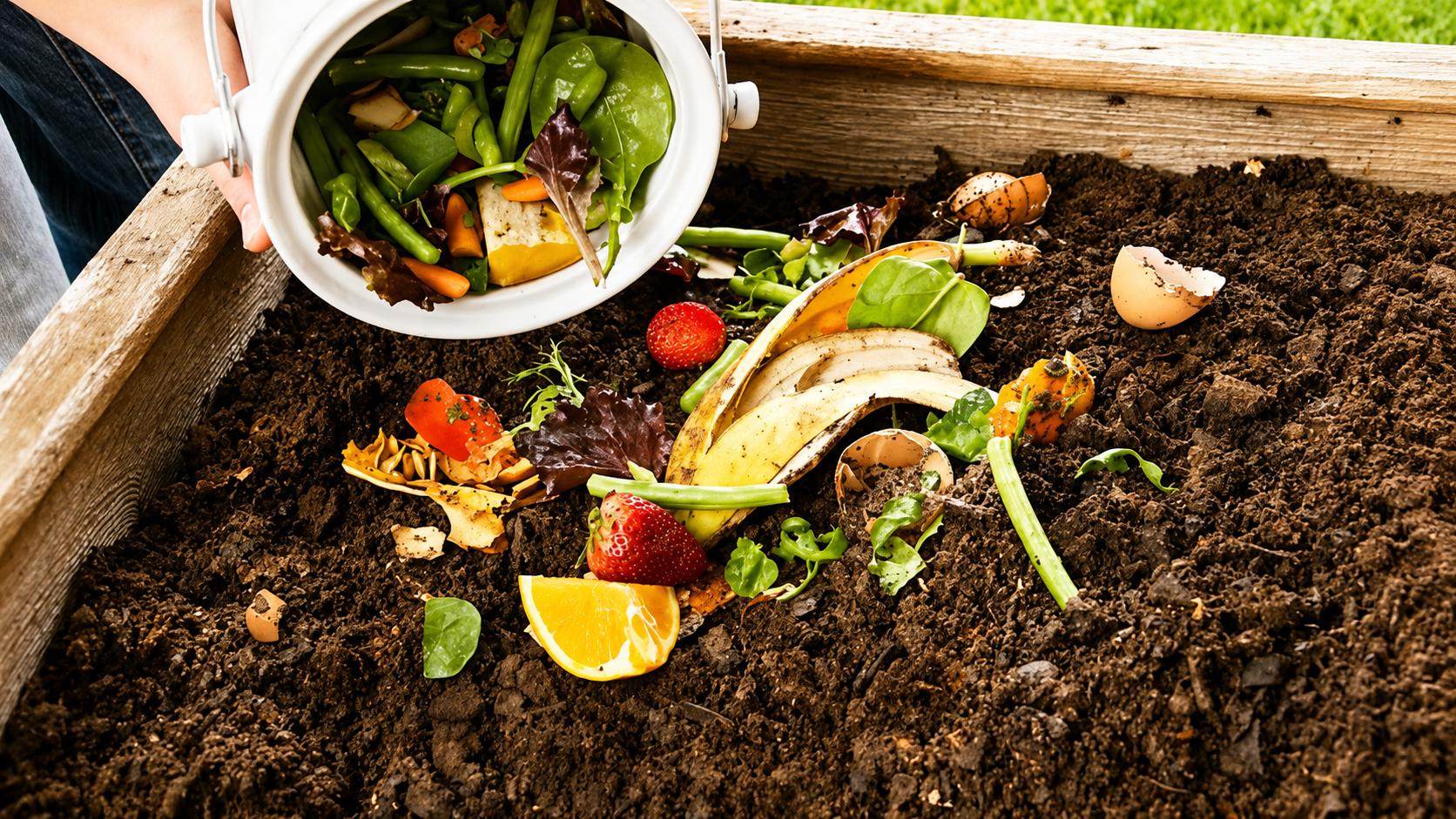
Balancing so-called green and brown materials remains one of the most important basic principles of successful composting, with green materials like vegetable peelings and grass cuttings providing nitrogen, and brown materials like cardboard, dry leaves and paper providing carbon, with a reasonable mix of both generally producing the best results.
Certain items should genuinely be avoided in a typical home compost bin, including meat, dairy, cooked food and diseased plants, all of which can attract pests or introduce problems into the finished compost, meaning it is worth learning this basic list before simply adding all kitchen waste indiscriminately.
Turning the compost heap periodically helps introduce air, which speeds up the natural breakdown process considerably compared with an undisturbed pile, and a simple garden fork used every few weeks is generally all that is needed to keep a home compost heap developing properly.
Patience remains a genuinely necessary part of composting, since the process typically takes several months to produce fully finished compost ready for use in the garden, meaning beginners should expect a reasonable wait rather than assuming something has gone wrong if results are not immediate.
Positioning a compost bin sensibly within the garden also makes a genuine practical difference, with a spot that is reasonably accessible year-round, including during wetter North East winters, considerably more likely to be used consistently than one tucked away somewhere inconvenient to reach.
Using finished compost properly rounds off the whole process, whether that means digging it into vegetable beds, working it into existing borders, or simply spreading a layer across a lawn, with homemade compost generally offering genuinely comparable results to shop-bought soil improver at effectively no ongoing cost.
Troubleshooting common early problems, a compost heap that is too wet, too dry or simply not breaking down, usually comes down to adjusting the balance of green and brown materials slightly, and most beginner issues are considerably easier to fix than newcomers initially expect.
Beyond the practical garden benefits, home composting offers a genuinely satisfying way to reduce the amount of waste sent to landfill from an average household, making it a habit that benefits both a garden and the wider environment simultaneously, once the basic routine becomes properly established.
Chopping larger scraps into smaller pieces before adding them to a compost bin can also speed up decomposition noticeably, since smaller pieces break down considerably faster than larger, whole items left to decompose entirely on their own timeline.
These small adjustments make the entire composting process feel considerably more predictable and genuinely rewarding for anyone trying it for the very first time. It is a small, genuinely satisfying skill that rewards a little patience early on. Sticking with it through the first few uncertain weeks tends to make the whole process feel considerably more intuitive.
For gardeners across the North East specifically, homemade compost offers a genuinely reliable, free alternative to shop-bought soil improver, making the initial small learning curve considerably worthwhile within just a single growing season. It is a satisfying, practical skill worth learning properly from the very start.
Have your say.
Would you consider starting to compost at home yourself?
Lifestyle News
The Basics of Home Composting for Beginners
Home composting turns everyday kitchen and garden waste into genuinely useful soil improver, and getting started is considerably simpler than many beginners assume.
Advertisement





Comments (0)
You must be logged in to post comments.
Don't have an account? Register here
No comments yet. Be the first to share your thoughts!