
Faith healing has existed for centuries, promising miraculous recoveries through prayer, the laying on of hands or divine intervention. While faith itself provides comfort to millions, another industry has quietly grown alongside it. One where self-proclaimed healers, travelling evangelists and online ministries promise extraordinary cures with little or no scientific evidence to support them.
For some people, faith healing is simply a personal belief. For others, it has become a lucrative business built on hope, desperation and vulnerable people searching for answers when conventional medicine cannot offer certainty.
Across Newcastle and the wider North East, healthcare professionals continue encouraging patients to combine spiritual support with evidence-based treatment. Experts warn the real danger begins when miracle cures are sold as an alternative to modern medicine.
A multi-million pound industry built on belief.
Faith healing is no longer confined to churches.
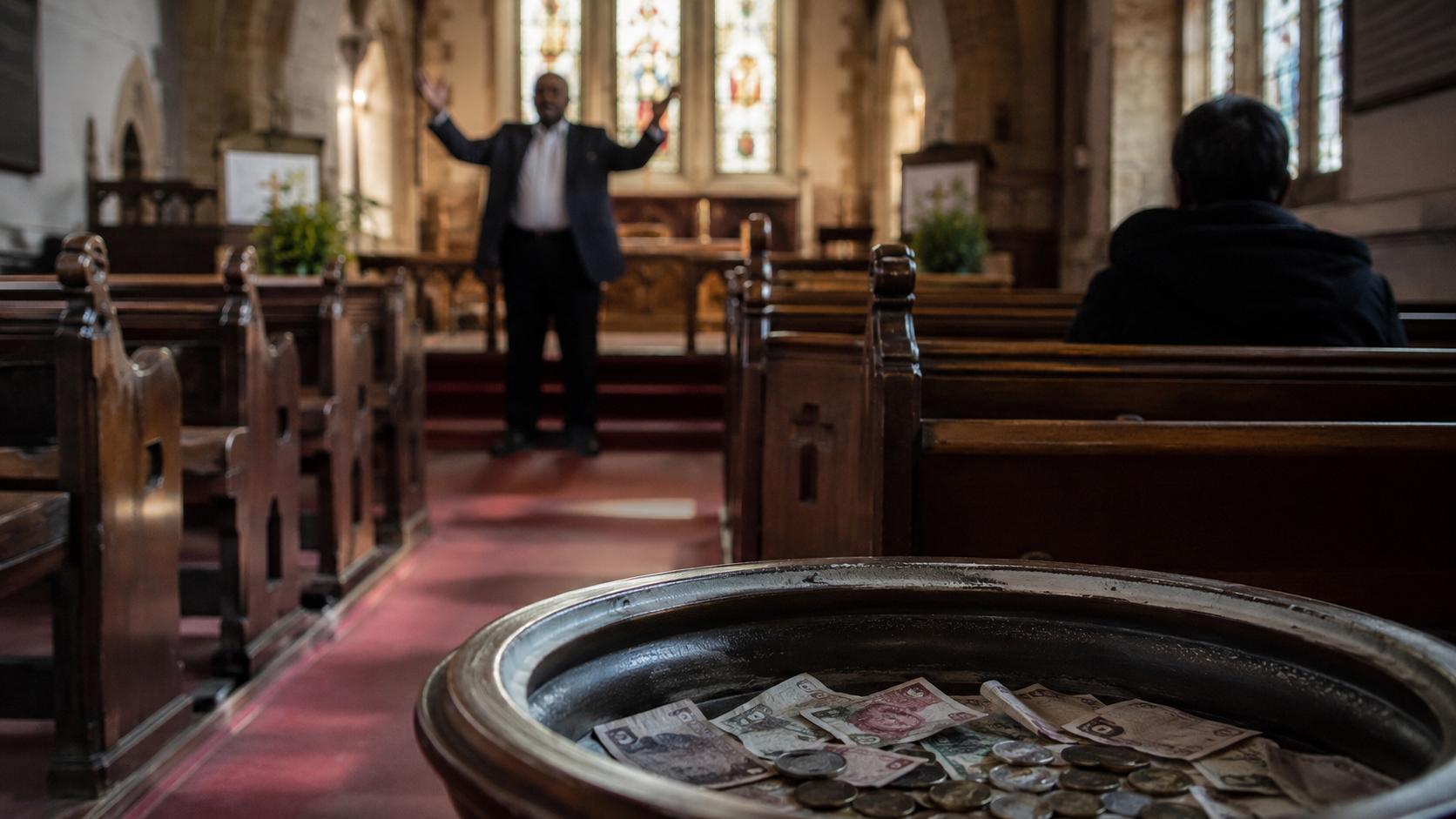
Social media has allowed self-described healers to reach global audiences, livestream healing services and request donations from viewers convinced they have witnessed miracles. Around the world, some ministries receive millions of pounds every year through donations, ticketed events and merchandise linked to miracle healing claims.
While many churches never ask for money in exchange for prayer and actively encourage people to seek medical care, others have faced criticism for encouraging followers to believe illness can be cured through faith alone.
The difference is significant. One offers hope alongside medicine. The other risks replacing medicine with promises that cannot be proven.
What does science actually say.
Despite decades of research, there remains no reliable scientific evidence that faith healing can consistently cure serious illnesses such as cancer, multiple sclerosis or paralysis.
Medical researchers have repeatedly investigated miracle healing claims. While individuals sometimes report feeling dramatically better after prayer services, scientists say there are several well-understood explanations.
The most common is the placebo effect.
When people strongly believe a treatment will work, the brain can reduce feelings of pain, anxiety and stress. Symptoms may temporarily improve, even though the underlying disease remains unchanged.
Doctors also point to natural recovery, misdiagnosis, emotional support and fluctuating symptoms as reasons why some experiences genuinely feel miraculous.
That does not make those experiences fake. It simply means feeling better is not the same as being medically cured.
Newcastle's hospitals take a very different approach.
Newcastle Hospitals NHS Foundation Trust recognises the importance of emotional wellbeing during illness, particularly for cancer patients.
Services including massage, relaxation therapy, mindfulness and reflexology are offered to help patients cope with treatment, reduce anxiety and improve quality of life. These therapies are designed to work alongside chemotherapy, radiotherapy and surgery, not replace them.
More than 24,000 patients have accessed complementary therapy services through Newcastle's cancer care teams over the years, reflecting growing recognition that emotional support matters during recovery.
The NHS is clear that complementary therapies should never replace proven medical treatment.
When hope becomes dangerous.
The greatest concern surrounding commercial faith healing is not prayer itself.
It is the growing number of individuals claiming supernatural abilities while encouraging seriously ill people to reject conventional healthcare.
Throughout history there have been documented cases where patients delayed treatment after being told they had already been healed. Some later died from conditions that might have been treatable had medical care continued.
Health charities, including Cancer Research UK, state there is no reliable evidence that faith healing cures cancer, while continuing to recognise the emotional benefits that faith and spirituality can bring during illness.
That distinction matters.
Offering comfort is very different from claiming to cure disease.
Why people continue believing.
Faith healing would not continue attracting millions of followers if nobody believed it worked.
Psychologists say people naturally remember extraordinary recoveries while overlooking the many cases where nothing changes. Confirmation bias, emotional experiences and powerful group settings can reinforce beliefs that miracles have taken place.
For families facing devastating diagnoses, hope is an incredibly powerful force.
Unfortunately, hope can also become a business opportunity for those willing to promise what they cannot prove.
Hope should never come with a price tag.
Most people who pray for loved ones do so out of compassion, kindness and genuine belief.
The real concern begins when individuals claim supernatural powers, ask for donations in exchange for healing, or persuade vulnerable people to abandon proven medical treatment.
Faith can offer strength, comfort and community during life's hardest moments. There is nothing wrong with that.
But extraordinary medical claims require extraordinary evidence. Until that evidence exists, miracle cures remain exactly that - claims, not facts.
If hope is being sold, questioned only behind a donation button, or presented as a replacement for evidence-based healthcare, it deserves scrutiny just like any other industry that profits from vulnerable people.
Share your views in the comments below.
Is faith healing hope or a scam?
Health News
The Dark Truth About Faith Healing
Advertisement



Comments (0)
You must be logged in to post comments.
Don't have an account? Register here
No comments yet. Be the first to share your thoughts!