
Just off the Northumberland coast, a scattering of rocky islands rises from the North Sea to form one of the most important wildlife havens in the British Isles. The Farne Islands are a paradise for seabirds and seals, a place where visitors can get astonishingly close to nature in a spectacular coastal setting. For lovers of wildlife and the great outdoors, a trip to the Farnes is an unforgettable North East adventure.
A Haven for Wildlife.
The Farne Islands are renowned as one of the finest places in the country to see seabirds and marine wildlife. Managed as a nature reserve, the islands provide a vital breeding ground for tens of thousands of birds, and the spectacle during the nesting season is simply extraordinary. The air fills with wheeling, calling birds, the cliffs and grassy slopes teem with life, and visitors find themselves in the midst of one of nature's great gatherings. This abundance of wildlife, set against the drama of the sea and sky, makes the islands a place of genuine wonder.
The Beloved Puffins.
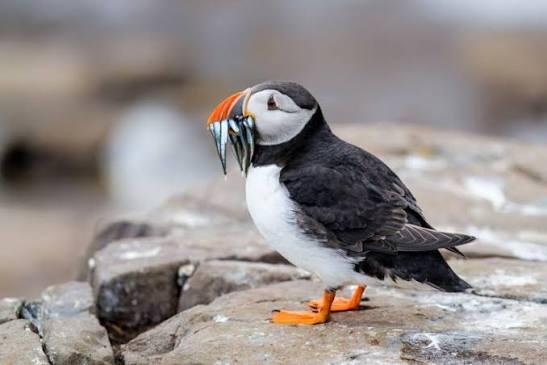
For many visitors, the highlight of a trip to the Farne Islands is the chance to see puffins up close. These charming, comical little seabirds, with their colourful beaks and characterful expressions, breed on the islands in large numbers, nesting in burrows in the grassy ground. During the breeding season, they can be seen bustling about, returning to their burrows with beakfuls of fish, often within just a few feet of delighted onlookers. There are few places where you can observe these enchanting birds so closely and so reliably, and the puffins have become the much-loved stars of the islands.
Seals and Other Wildlife.
The Farne Islands are also famous for their grey seals, which haul out on the rocks and bob curiously in the water around the boats. The islands are home to a substantial seal colony, and the autumn pupping season sees the birth of many fluffy white seal pups, a charming sight that draws wildlife watchers from far and wide. Alongside the puffins and seals, the islands host a great variety of other seabirds, including guillemots, razorbills, kittiwakes, shags and elegant terns, the last of which are known for dive-bombing visitors who stray too near their nests. The sheer diversity and density of wildlife is remarkable.
Boat Trips From Seahouses.
The gateway to the Farne Islands is the charming fishing village of Seahouses, from where boat trips depart to take visitors out to the islands. The boat journey itself is part of the experience, offering wonderful views of the coast and the chance to spot wildlife on the water along the way. Depending on the trip and the conditions, some boats allow visitors to land on certain islands to walk among the birds, while others cruise around the islands for those who prefer to stay aboard. Wrapping up warm and heading out across the waves to this wildlife wonderland is a quintessential Northumberland experience.
The Story of Grace Darling.
The Farne Islands are forever linked to one of the most celebrated tales of heroism in British history. In the nineteenth century, Grace Darling, the daughter of a lighthouse keeper, helped to rescue survivors from a shipwreck off the islands, rowing out through perilous seas with her father to reach the stricken vessel. Her bravery captured the imagination of the nation and made her a Victorian heroine, and her story is still remembered and celebrated today, with a museum in nearby Bamburgh dedicated to her. The lighthouse from which she set out still stands among the islands, a poignant reminder of her courage.
A Place of Ancient Holiness.
The Farne Islands also carry a deep spiritual history, for they were once home to the hermit Saint Cuthbert, who sought solitude here in the early medieval period. Cuthbert is said to have loved the islands and their wildlife, and he is sometimes credited with introducing early measures to protect the birds, making the Farnes one of the earliest places associated with the care of wild creatures. This long connection between the islands and the protection of nature feels particularly fitting given their status today as a treasured wildlife reserve.
An Essential North East Experience.
The Farne Islands offer something truly special: the chance to immerse yourself in the wild, teeming life of the sea in one of the most beautiful corners of the country. The combination of puffins and seals, dramatic scenery, fresh sea air and rich history makes a visit deeply rewarding, whether you are a dedicated birdwatcher or simply someone who loves the natural world.
For anyone exploring the Northumberland coast, a boat trip to the Farne Islands should be high on the list. It is nature at its most accessible and most magical, just a short voyage from the shore.
A Reserve Worth Protecting.
The Farne Islands are not only a wonderful place to visit but also a precious nature reserve that requires careful protection. The vast seabird colonies and the resident seals make the islands a site of national and international importance for wildlife, and they are looked after by dedicated rangers who monitor the populations and safeguard the habitats. Regular counts of the breeding birds and seals help to track the health of the colonies over time, providing valuable information about the wider state of the marine environment. Visitors are asked to respect the wildlife and follow guidance to minimise disturbance, ensuring that the islands can continue to thrive as a haven for nature. This careful balance between welcoming people and protecting wildlife is at the heart of the islands' management, and it reflects a long tradition of caring for this special place. By visiting responsibly, everyone can play a part in ensuring that the Farne Islands remain a wildlife wonderland for generations to come.
Have your say.
Let us know what you think in the comments, as we read every single one, and tell us about your own encounters with the Farne Islands wildlife.
Have you ever come face to face with a puffin out on the Farne Islands?
Travel News
The Farne Islands: Puffins, Seals and Sea Air
A guide to the Farne Islands off Northumberland, a wildlife haven famous for puffins and grey seals, boat trips and the story of Grace Darling.
Advertisement



Comments (0)
You must be logged in to post comments.
Don't have an account? Register here
No comments yet. Be the first to share your thoughts!