
For many families across Newcastle and the North East, a weekly supermarket shop has become noticeably more expensive over the past few years. Although food inflation has slowed from the record highs seen during the peak of the cost of living crisis, prices remain well above where they stood before 2022. That means many everyday essentials continue to take a bigger bite out of household budgets.
The Food and Drink Federation estimates that food and non-alcoholic drink prices increased by around 37 percent between January 2020 and July 2025, compared with 28 percent for overall inflation across the UK. The organisation says dairy products, eggs and cooking oils have experienced some of the steepest increases.
Here are five everyday foods that have seen some of the biggest price rises and why shoppers across Newcastle, Gateshead, Sunderland and the wider North East are still feeling the impact.
Olive oil remains one of the biggest price shock stories.
Few everyday products have attracted as much attention as olive oil. Successive poor harvests in Spain and other Mediterranean countries caused by drought and extreme weather dramatically reduced production, while transport and energy costs also added pressure.
Industry figures show olive oil prices have risen by around 118 percent since 2020, making it one of the fastest-rising food staples in UK supermarkets. Although wholesale prices have begun to ease, many shoppers are still paying significantly more than they were just a few years ago.
For North East households that regularly cook from scratch, switching to supermarket own brands or using smaller quantities has become an increasingly common way to manage spending.
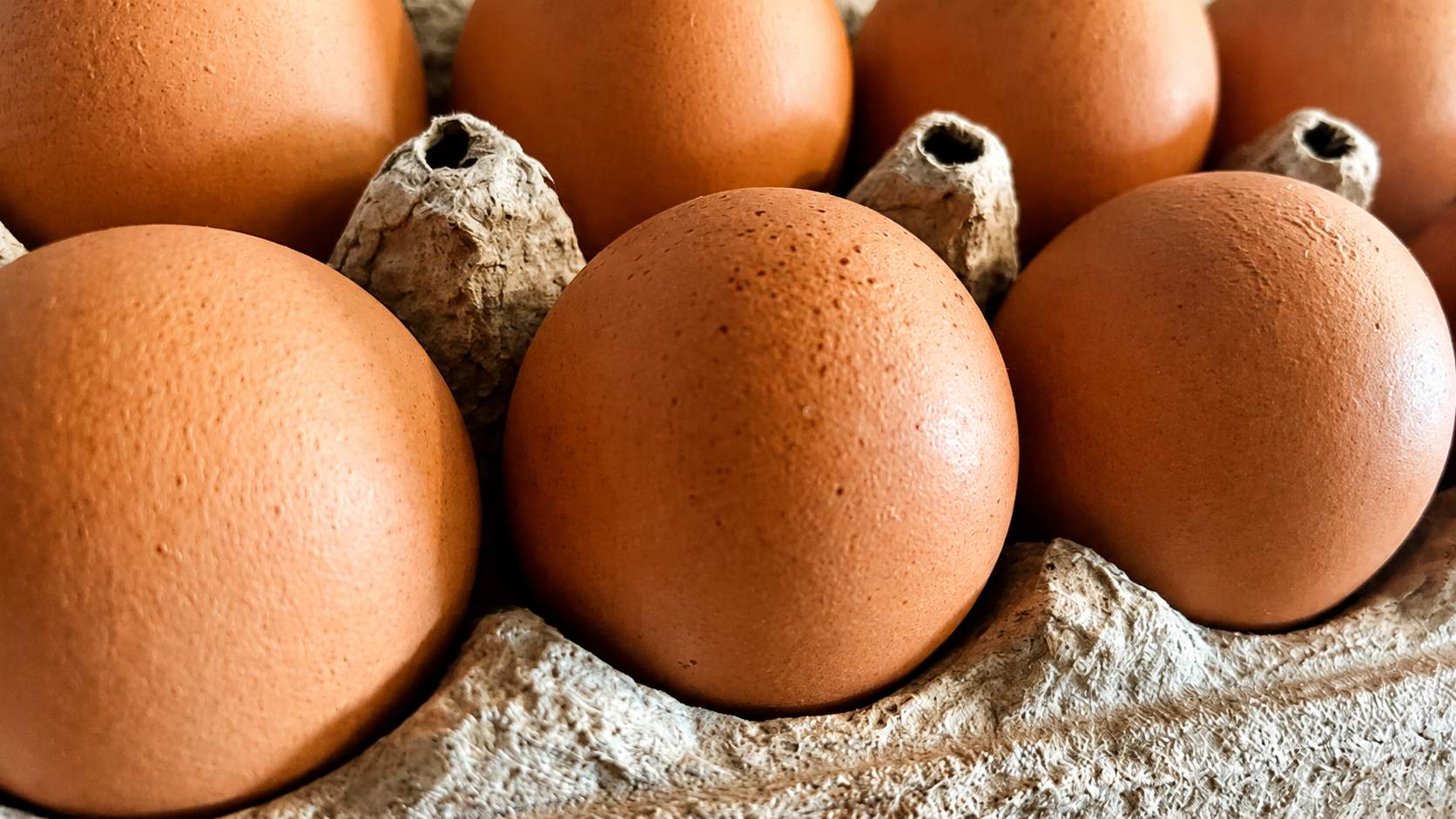
Eggs continue to cost more.
Eggs remain a kitchen staple, but they have also experienced substantial price increases. Rising feed costs, higher energy bills for poultry farmers and outbreaks of avian influenza all contributed to tighter supplies.
Research suggests egg prices have increased by approximately 57 percent since 2020, while more recent supermarket inflation figures show they continue to edge upwards.
Many Newcastle shoppers have noticed that multi-pack eggs rarely return to the promotional prices that were common before the cost of living crisis.
Butter has become a bigger household expense.
Butter has quietly become one of the fastest-rising dairy products on supermarket shelves. Increased milk production costs, higher farm input prices and global supply pressures have all played a role.
Food industry analysis estimates butter prices have climbed by around 53 percent since 2020. Recent retail data also shows butter remains one of the grocery categories experiencing continued price pressure.
For many households across the North East, this has encouraged shoppers to compare supermarket own brands or buy larger packs when promotions become available.
Chocolate is becoming an occasional treat.
Chocolate has also become noticeably more expensive, largely because cocoa prices reached record levels following poor harvests in West Africa, which produces much of the world's cocoa supply.
Consumer groups report chocolate remains among the fastest-rising supermarket products, with some popular items increasing dramatically over the past year alone.
Families across Newcastle are increasingly reserving chocolate for occasional treats rather than adding it to every weekly shop, particularly as household budgets remain stretched.
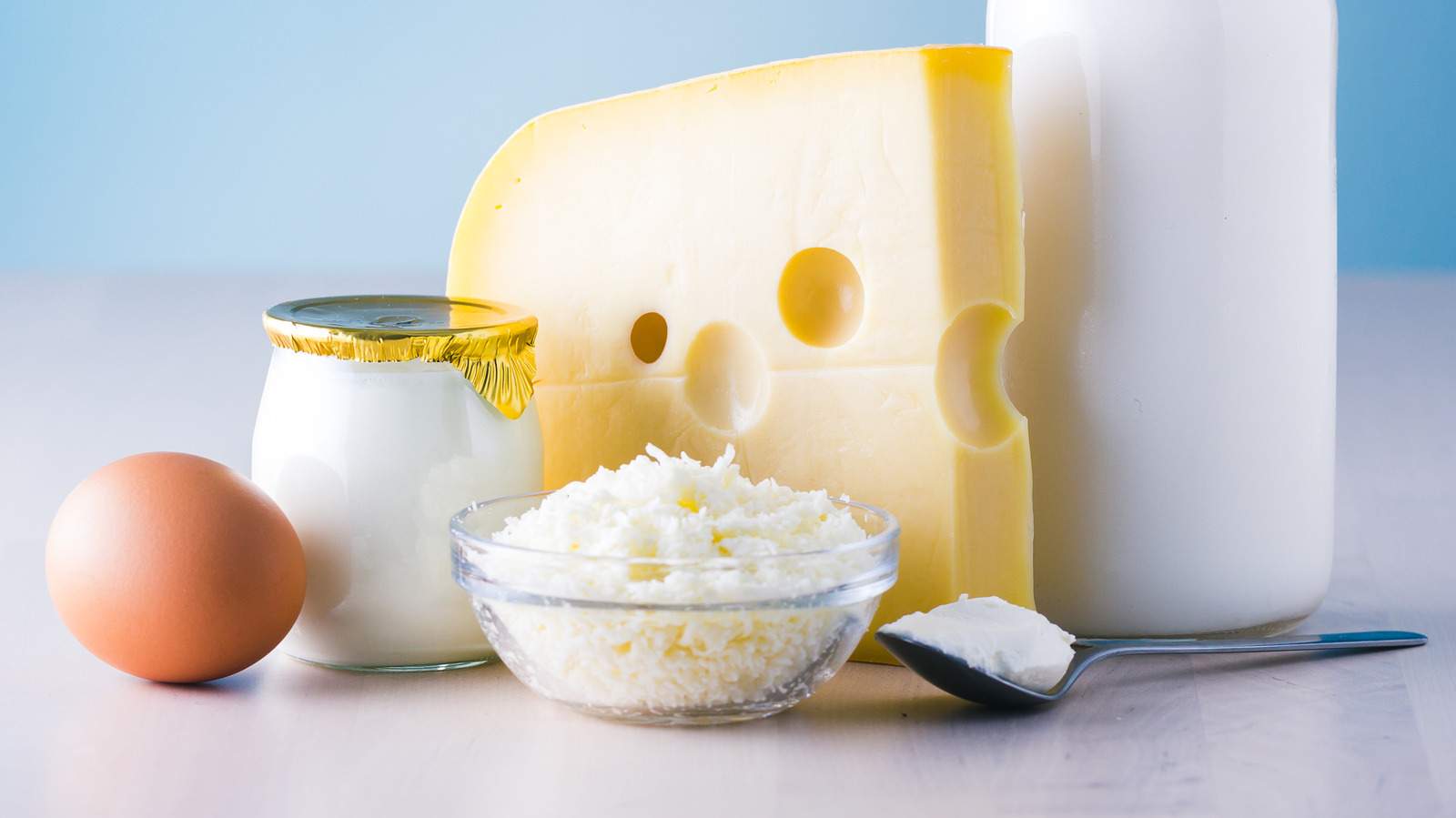
Milk and dairy products continue to cost more.
Milk remains one of the most frequently purchased supermarket items, making even relatively modest price rises noticeable over time. Higher production costs, increased feed prices and energy expenses have all contributed to higher dairy prices.
The Food and Drink Federation says milk, cheese and dairy products have been among the categories with the strongest cumulative price increases since 2020.
Although milk prices have stabilised compared with previous years, they remain considerably higher than before the cost of living crisis began.
Why North East shoppers are adapting.
Higher grocery prices have encouraged many households across Newcastle and the wider North East to rethink how they shop. Meal planning, buying own-brand products, freezing leftovers and comparing supermarket offers have become increasingly common.
Consumer experts also recommend shopping with a list, checking unit prices instead of headline promotions and making greater use of loyalty discounts to reduce weekly spending.
Live supermarket price trackers continue to show fluctuations across hundreds of everyday products, reminding shoppers that comparing prices can still make a meaningful difference over the course of a year.
Grocery budgets remain under pressure.
While inflation is no longer rising at the pace experienced during 2022 and 2023, most households have not seen supermarket prices return to previous levels. Everyday essentials such as olive oil, eggs, butter, chocolate and milk continue to cost substantially more than they did only a few years ago.
For families across Newcastle and the North East, careful budgeting, meal planning and smarter shopping have become permanent habits rather than temporary responses. With food prices expected to remain elevated throughout much of the year, finding value at the supermarket is likely to remain a priority for many households.
Join the discussion.
What money-saving shopping tips work best for your household?
Food & Drink News
The Five Foods Costing Families More Than Ever
Advertisement

Comments (0)
You must be logged in to post comments.
Don't have an account? Register here
No comments yet. Be the first to share your thoughts!