
Competitive gaming, commonly known as esports, has grown at a remarkable pace over the past decade, transforming from a relatively niche hobby followed by a dedicated but limited audience into a genuine global spectator sport, complete with professional teams, major tournaments and, increasingly, a visible local presence right across the North East.
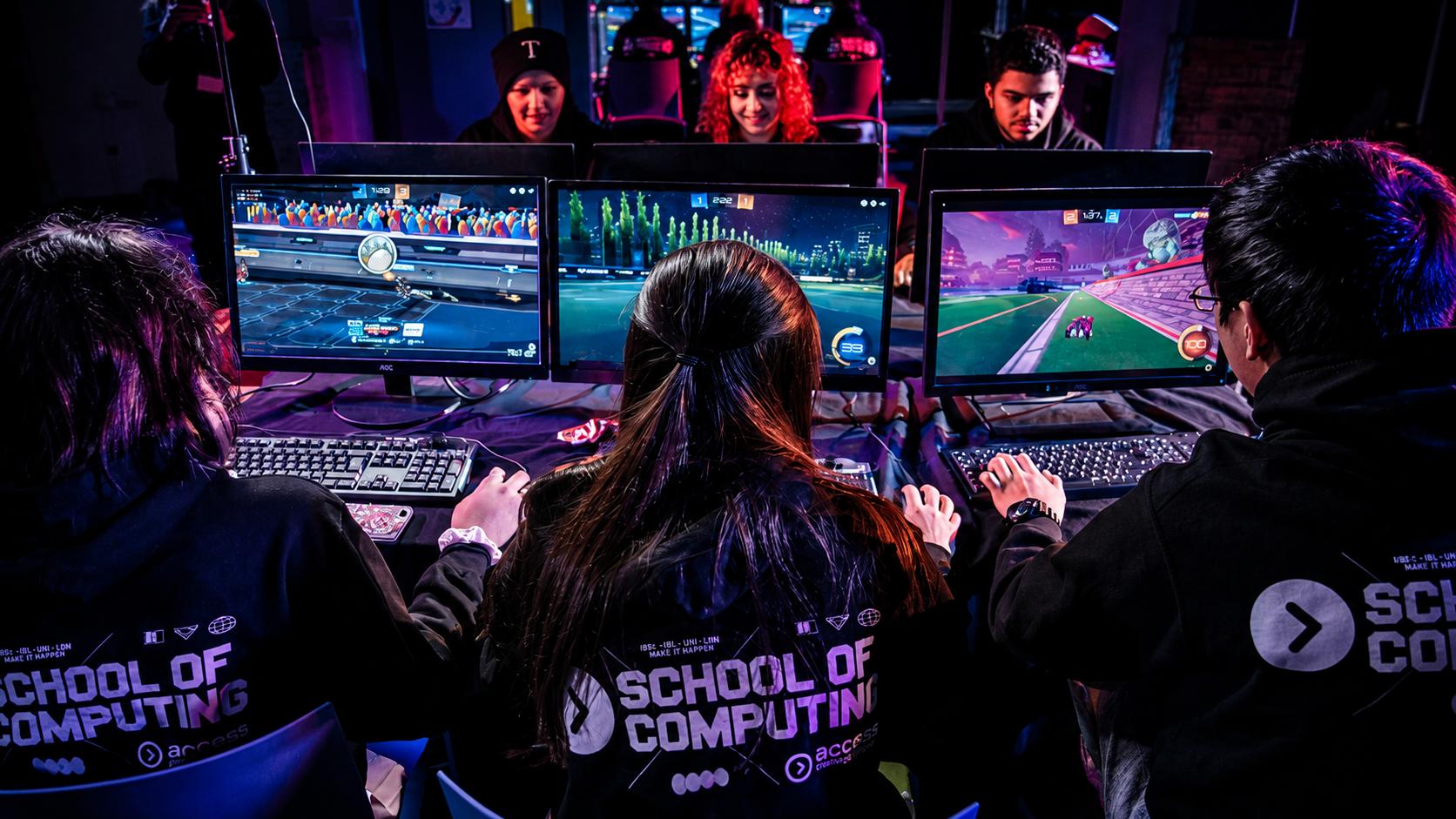
University esports societies have become an increasingly established fixture on campuses across the region, with Newcastle and Northumbria universities both fielding competitive teams that take part in organised student esports leagues, offering students a structured, genuinely competitive outlet for gaming alongside their studies in a way that simply did not exist a decade or so ago.
Dedicated gaming venues and esports cafes have opened across Newcastle in recent years, offering high-performance gaming setups, organised tournaments and a genuine social space for competitive gaming enthusiasts to play together in person, rather than exclusively online from separate individual homes across the region.
Local tournament organisers have built a genuine grassroots competitive scene across popular titles, offering players across the North East a realistic pathway from casual online play through to organised local competition, and in some cases onward toward genuinely professional or semi-professional esports opportunities beyond the region itself.
Streaming platforms have played a significant role in esports' wider growth too, allowing North East based players and casters to build an audience and, in some cases, a genuine income from broadcasting their gameplay and tournament commentary, an entirely new kind of career path that simply did not exist in any meaningful sense until relatively recently.
Schools and colleges across the region have started exploring esports as a legitimate extracurricular activity in its own right, recognising the teamwork, strategic thinking and communication skills competitive gaming genuinely demands, alongside its obvious appeal to a generation of students who have grown up playing games as a completely normal part of everyday life.
Employment opportunities connected to the wider esports industry have grown considerably too, spanning event organisation, marketing, coaching and broadcast production, offering career paths within the sector for people interested in esports without necessarily needing to be a top-level competitive player themselves.
Sponsorship and commercial interest in esports has grown considerably too, with brands increasingly keen to reach the young, highly engaged audiences competitive gaming attracts, bringing genuine commercial investment into local tournaments and events that previously operated almost entirely on the goodwill and volunteer effort of dedicated community organisers alone.
Parents and educators who may be less familiar with gaming culture have gradually become more receptive to esports as a legitimate pursuit too, particularly as clearer pathways into genuine further education, training and employment within the wider industry have become more visible and better established across the region.
International tournaments broadcast online have also helped raise the profile of esports among North East audiences who might never attend an event in person, watching major competitions unfold from home in much the same way they might follow a traditional televised sporting event, complete with commentary, analysis and a genuinely passionate following.
As esports continues to grow in scale and mainstream visibility both nationally and internationally, the North East's own local competitive gaming scene, from university teams through to dedicated venues and grassroots tournaments, looks well placed to keep growing alongside it rather than being left behind as a purely niche regional interest.
It is a scene that looks increasingly permanent rather than a passing trend confined to a single generation of players. That steady, sustained growth suggests competitive gaming has firmly established itself as a lasting fixture of North East sporting and cultural life. It is a genuinely encouraging sign for anyone hoping the scene continues to thrive locally for years to come.
Share your comments below.
Do you, or anyone in your family follow esports or competitive gaming?
Tech News
The Growth of Esports and Competitive Gaming Culture
Competitive gaming has grown from a niche hobby into a genuine spectator sport, with dedicated venues, university teams and events now appearing across the North East.
Advertisement





Comments (0)
You must be logged in to post comments.
Don't have an account? Register here
No comments yet. Be the first to share your thoughts!