
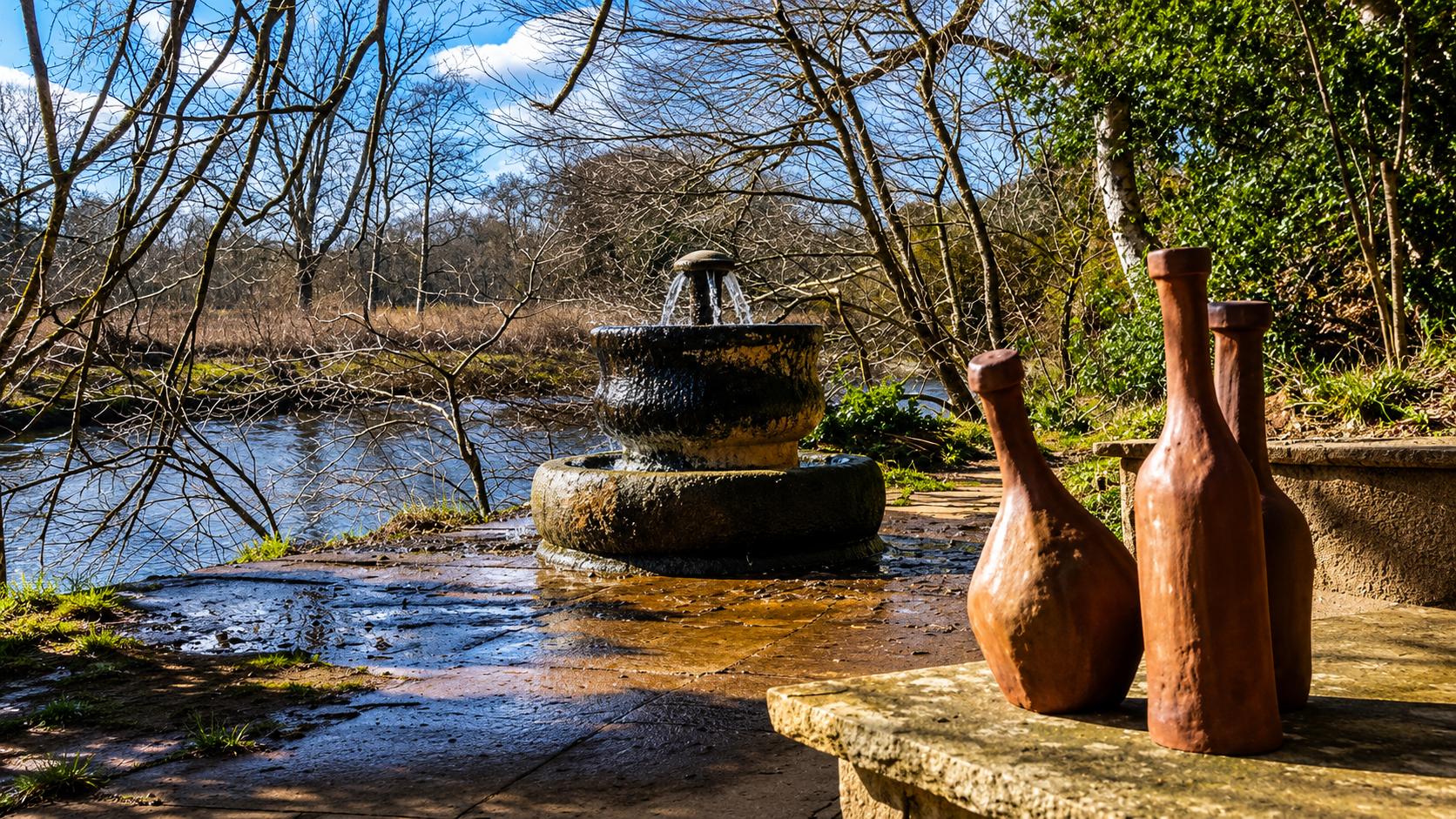
Long before hospitals, antibiotics and modern healthcare transformed everyday life, people across Britain turned to nature in search of relief from illness. Throughout the North East, mineral springs and ancient wells became places of hope, attracting visitors who believed the waters could ease pain, improve health and even cure chronic conditions.
From rural Northumberland to County Durham and communities close to Newcastle, stories of healing wells have survived through folklore, local history and generations of tradition. While science has long since replaced many of these beliefs, the region's spa heritage remains one of the most fascinating chapters in North East history.
Why people believed in healing springs.
For centuries, naturally emerging springs were regarded as special places. Water rich in minerals often tasted different from ordinary drinking water, leading many people to believe it possessed unique medicinal qualities. In medieval Britain, many wells were also linked to saints, making them important destinations for both religious pilgrimage and those seeking physical healing.
Before reliable medical treatments became widely available, people suffering from skin conditions, joint pain, digestive problems and other illnesses often travelled significant distances in the hope that drinking or bathing in these waters would improve their health.
Several communities within easy reach of Newcastle once had local springs that featured in folklore, while visitors also travelled further across Northumberland and County Durham to seek out wells that had earned a reputation for miraculous cures.
Spa towns became fashionable destinations.
By the Georgian and Victorian eras, the popularity of mineral waters helped create fashionable spa towns across Britain. The idea of "taking the waters" evolved from simple folk tradition into a sophisticated social activity enjoyed by wealthy visitors.
Historic spa resorts combined health with leisure. Elegant hotels, landscaped gardens, assembly rooms and promenades were built around mineral springs, encouraging visitors to spend weeks enjoying both the treatments and the lively social scene.
Although the North East never developed spa resorts on the same scale as Bath or Harrogate, the region embraced the same culture. Visitors travelling from Newcastle and surrounding towns often visited local mineral springs, while others journeyed further afield to experience Britain's most celebrated spa destinations.
Health and society went hand in hand.
A visit to a spa offered much more than the promise of improved health. It became a chance to meet influential people, attend concerts, enjoy fine dining and escape everyday routines.
Victorian society placed enormous importance on wellness, etiquette and recreation. Morning walks, carefully timed drinking sessions at the spring and leisurely afternoons became part of a carefully planned daily routine.
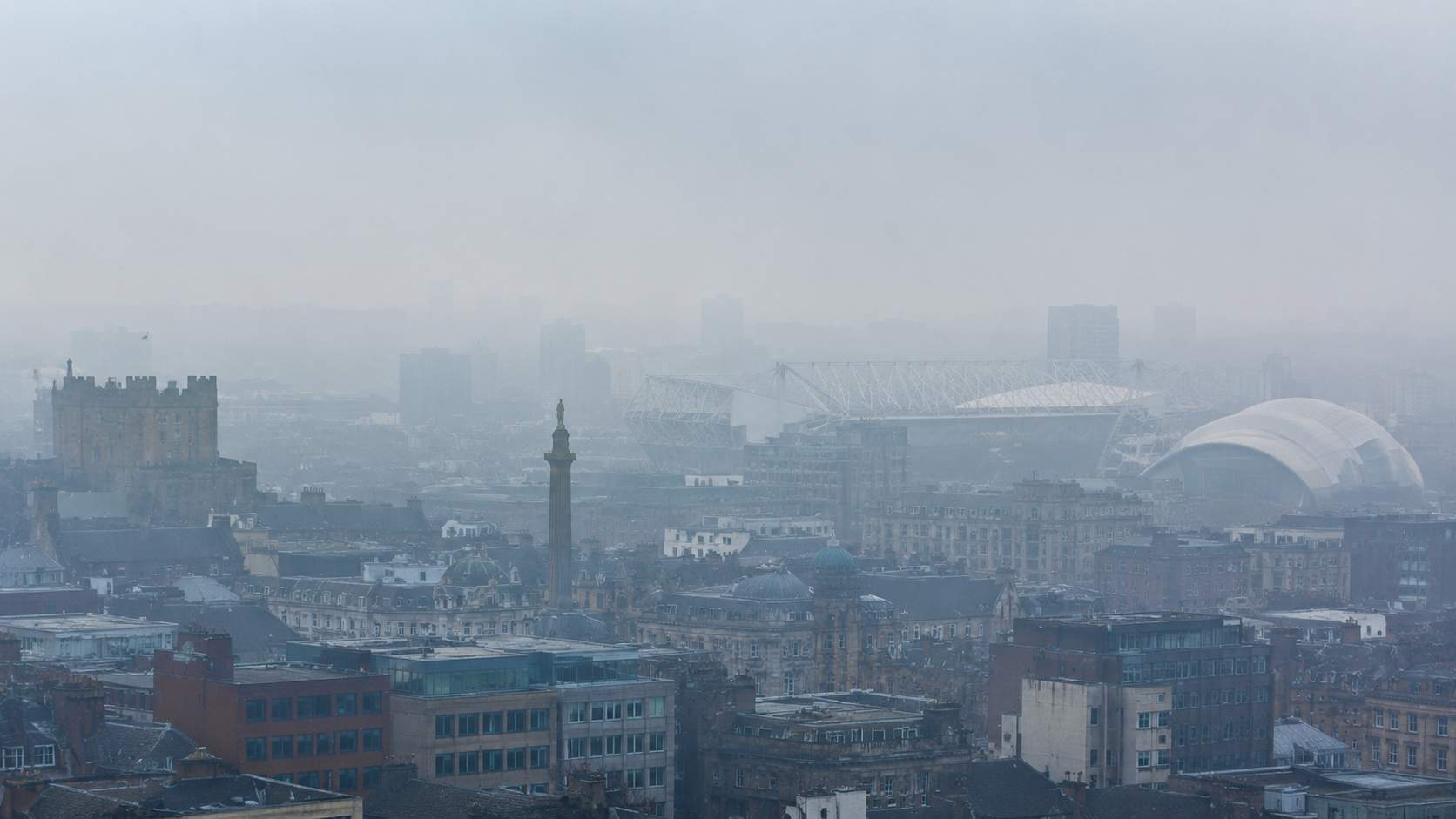
For many Newcastle residents with the means to travel, spa visits offered a welcome change from the smoke and heavy industry that increasingly defined urban life during the Industrial Revolution.
Ancient healing wells never disappeared.
Away from the elegant spa resorts, countless healing wells continued serving local communities.
Many remained simple springs hidden in woodland, beside country lanes or close to old churches. Some became associated with particular saints, while others were believed to cure specific ailments including eye complaints, arthritis or skin conditions.
Although many of these sites gradually fell out of everyday use during the twentieth century, local history groups continue documenting them, preserving stories that might otherwise have disappeared.
Exploring these forgotten locations offers an intriguing glimpse into the beliefs and customs that shaped communities across the North East for hundreds of years.
Modern medicine changed everything.
As medical science advanced throughout the nineteenth and twentieth centuries, confidence in miracle waters naturally declined.
Scientific understanding of disease, sanitation, vaccinations and improved healthcare reduced reliance on traditional remedies. Many spa towns reinvented themselves as leisure destinations, while numerous healing wells simply became historic landmarks.
Despite this transformation, today's wellness industry still reflects many of the same principles that attracted visitors centuries ago. Relaxation, hydrotherapy and natural surroundings remain central themes in modern spa experiences, even if the emphasis is now supported by evidence-based healthcare rather than folklore.
Interesting statistics show wellness remains popular.
Interest in wellness has certainly not disappeared. According to figures drawing on YouGov research, around 68 percent of UK adults have visited a spa at least once, highlighting how relaxation and wellbeing continue to appeal to modern consumers. Industry data also suggests the UK spa sector contributes billions of pounds annually to the economy while supporting thousands of jobs.
Although today's visitors are unlikely to expect miracle cures, many continue seeking the same sense of restoration that encouraged earlier generations to travel to mineral springs throughout Britain.
A fascinating part of Newcastle's wider heritage.
Newcastle is rightly celebrated for its industrial achievements, medieval history and iconic landmarks, yet the wider region also preserves a quieter story centred on water, faith and wellbeing.
Ancient healing wells, forgotten springs and historic spa traditions reveal how previous generations understood health long before modern medicine existed. These locations may no longer attract crowds seeking miraculous cures, but they remain valuable reminders of the customs, beliefs and resilience that shaped life across the North East.
For anyone interested in local history, these hidden places offer another compelling reason to explore the landscapes surrounding Newcastle and discover stories that continue flowing beneath the surface.
Get involved.
Have you ever visited an old healing well or forgotten spring near Newcastle or elsewhere in the North East?
Health News
The North East's Lost Spa Town Secrets
Advertisement



Comments (0)
You must be logged in to post comments.
Don't have an account? Register here
No comments yet. Be the first to share your thoughts!