
From Victorian hospitals to forgotten factories, the North East is home to some of Britain's most intriguing abandoned buildings. While many have fallen silent after decades of change, their stories continue to attract photographers, historians and heritage enthusiasts keen to learn more about the region's past.
Across Newcastle, County Durham and Northumberland, these empty landmarks serve as reminders of industries, communities and institutions that once played a vital role in everyday life. Many are visible from public roads, footpaths or heritage sites, while others have since been redeveloped or remain closed to protect public safety.
According to Historic England, there are more than 370,000 listed buildings across England, with thousands of historic structures considered at risk because of neglect, decay or changing land use. The organisation's annual Heritage at Risk programme continues to highlight the importance of preserving significant buildings before they are lost forever.
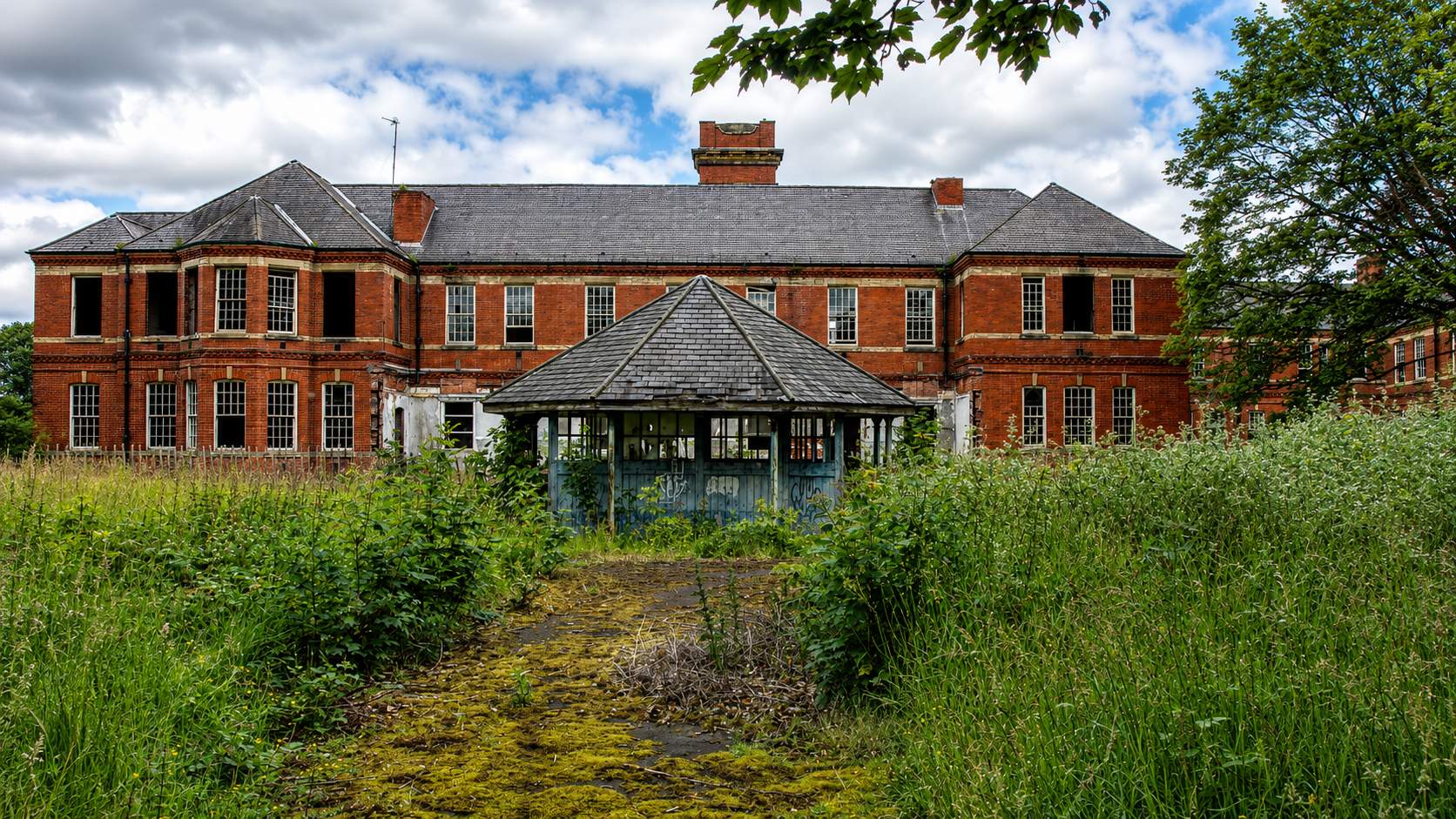
St Mary's Hospital, Stannington.
Once one of Britain's largest children's hospitals, St Mary's Hospital near Morpeth opened in 1910 to treat tuberculosis before later expanding into mental health services.
Large parts of the historic site have since closed, although redevelopment has transformed sections of the estate. Its distinctive Victorian architecture continues to attract interest from local historians who see it as an important chapter in Northumberland's medical history.
The site has become one of the region's most recognisable examples of changing healthcare infrastructure over the past century.
The Byker Swan House ruins.
Before regeneration reshaped parts of Newcastle's east end, several industrial buildings around Byker stood empty for years following the decline of manufacturing.
These structures became symbols of Newcastle's industrial transformation as traditional engineering and shipbuilding gave way to modern housing, creative industries and commercial development.
Many former industrial sites have now been repurposed, reflecting the city's wider regeneration success over recent decades.
The old Hartlepool Power Station buildings.
Parts of the industrial landscape surrounding Hartlepool have changed dramatically over the years, leaving behind disused facilities that remind visitors of the North East's energy-producing heritage.
Although many operational areas remain restricted, surrounding viewpoints reveal the scale of infrastructure that helped power homes and businesses across Britain.
Industrial heritage remains a significant draw for visitors interested in the region's engineering history.
Houghton-le-Spring's abandoned railway heritage.
Disused railway structures around Houghton-le-Spring and parts of County Durham offer a glimpse into the area's mining past.
As coal production declined during the late twentieth century, many stations, sidings and industrial buildings became redundant.
Today, several former railway corridors have been transformed into walking and cycling routes, allowing people to appreciate local history safely from public access points.
Dunston Staiths and the changing industrial landscape.
Although no longer abandoned, Dunston Staiths stands as one of Britain's most important surviving industrial structures and demonstrates how neglected landmarks can be successfully preserved.
Built in 1893, the Grade II listed timber staith was once used to load coal directly onto ships on the River Tyne.
Its restoration has become an example of how historic industrial sites can be protected while giving future generations an opportunity to understand the North East's rich coal mining heritage.
RAF Charlton and wartime reminders.
Scattered across Northumberland are the remains of former Second World War airfields, including RAF Charlton.
While much of the site has disappeared beneath farmland, surviving structures still tell the story of the region's contribution to Britain's wartime effort.
Across England, Historic England estimates that thousands of military sites from both World Wars survive in some form, many now recognised for their historic importance.
Why abandoned buildings continue to fascinate.
Interest in abandoned places has grown significantly over the past decade, fuelled by social media, local history groups and photography enthusiasts documenting Britain's changing landscapes.
Historic England's Heritage at Risk Register currently includes more than 4,800 heritage assets, ranging from churches and castles to industrial buildings and archaeological sites. The register highlights the ongoing challenge of protecting important structures before they deteriorate beyond repair.
For many people across Newcastle and the North East, abandoned buildings are not simply empty spaces. They are physical reminders of the industries, hospitals, railways and communities that helped shape the region's identity.
It is important to remember that many disused buildings remain privately owned, structurally unsafe or protected by law. Anyone interested in their history should admire them from public rights of way, join organised heritage events where available, or visit restored sites that are officially open to visitors.
As redevelopment continues across the North East, more forgotten landmarks are finding new life through restoration, housing and community projects. Their stories prove that even when buildings fall silent, the history they represent continues to inspire curiosity for generations to come.
Have your say.
Which historic building in Newcastle or the North East do you think deserves a second chance?
Newcastle History
The North Easts Abandoned Buildings With Incredible Pasts
Advertisement


Comments (0)
You must be logged in to post comments.
Don't have an account? Register here
No comments yet. Be the first to share your thoughts!