
Feeding, walking and vet visits are the parts of pet care everyone does. A handful of routine jobs are skipped by most owners, and they account for a substantial proportion of avoidable veterinary work.
None of them is difficult. They simply need doing regularly, and most benefit from being started when the animal is young.
Here is what they are and how to manage them.
Dental disease is the big one.
Periodontal disease is extremely common in dogs and cats, affecting a majority by middle age, and it is largely preventable.
It is not simply cosmetic. Bacteria under the gum line cause pain, tooth loss and infection, and the inflammatory burden is associated with effects elsewhere in the body.
Animals rarely show obvious pain from dental disease. They continue eating because they must, and owners usually notice only the smell.
Bad breath is not normal in a healthy animal. It is the most reliable early sign that something needs attention.
Brushing is the gold standard.
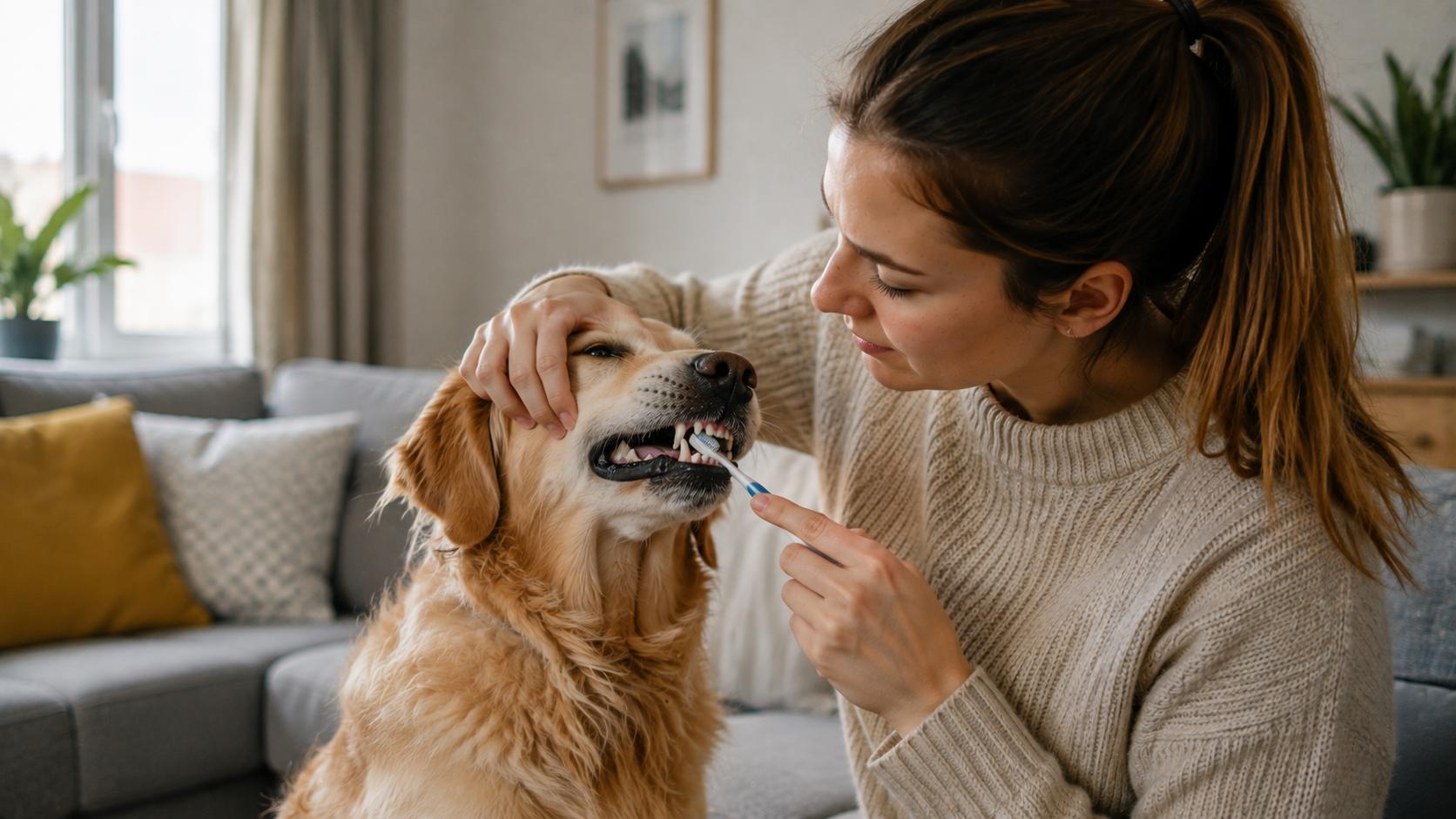
Daily brushing with a pet toothbrush and pet toothpaste is by some distance the most effective preventive measure.
Human toothpaste must not be used, since it contains fluoride and sometimes xylitol, both harmful if swallowed. Pet toothpastes are formulated to be swallowed and flavoured to be palatable.
Introduce it gradually. Let the animal lick the paste from your finger for a few days, then rub the outer surfaces of the teeth with a finger, then introduce a brush. The outer surfaces are where most tartar forms, so the inside surfaces matter less.
Starting with a puppy or kitten makes this straightforward. Starting with an adult takes patience but is usually achievable.
Dental chews and additives help but do not replace brushing. Look for products carrying independent veterinary dental accreditation rather than relying on packaging claims.
Professional cleaning requires anaesthesia.
Once tartar has formed, brushing will not remove it. A veterinary dental procedure involves scaling and polishing under general anaesthetic, with extractions where teeth are beyond saving.
Anaesthesia-free dental cleaning offered by non-veterinary providers cannot clean below the gum line, which is where disease occurs, and is generally advised against by veterinary bodies.
Nails need checking regularly.
Overgrown nails change how an animal stands and walks, causing discomfort and joint strain, and can curl round into the pad.
Dogs walked regularly on hard surfaces wear nails down naturally; those exercised mainly on grass may not. Dewclaws, higher up the leg, never touch the ground and always need attention.
The nail contains a blood vessel and nerve, the quick, which is visible as a pink area in pale nails and invisible in dark ones. Cutting into it causes bleeding and pain, which is why many owners are nervous.
Take small amounts frequently rather than large amounts occasionally. Keep styptic powder available. If you are unsure, veterinary nurses will clip nails, usually for a modest charge, and will show you how.
Indoor cats need scratching posts to shed nail sheaths, and elderly cats commonly develop thickened nails that need clipping.
Ears are worth a weekly look.
Check ears weekly for redness, discharge, odour or discomfort.
Dogs with drop ears, hairy ear canals or those that swim regularly are more prone to infections, as are dogs with allergies.
Do not use cotton buds inside the ear canal. If cleaning is needed, use a veterinary ear cleaner as directed.
Head shaking, scratching at the ear, tilting the head or a strong smell all warrant a vet visit rather than home treatment, since treating the wrong type of infection can make matters worse and a ruptured eardrum changes what can safely be used.
Grooming is not just for long coats.
Matted fur is painful. Mats tighten against the skin, restrict movement and trap moisture, causing sores underneath.
Long-coated and double-coated breeds need regular brushing, particularly behind the ears, in the armpits and around the rear. Moulting periods require more frequent attention.
Short-coated dogs still benefit from brushing, which removes dead hair and allows you to check the skin for lumps, ticks and injuries.
Cats generally groom themselves, but long-haired cats need help, and elderly or overweight cats frequently cannot reach areas they once could. A cat that stops grooming is often unwell, and matting in an older cat is worth mentioning to a vet.
Anal glands cause a familiar problem.
Scooting along the floor, excessive licking at the rear or a strong fishy smell usually indicate anal gland problems.
These small glands either side of the anus normally empty naturally. When they do not, they become uncomfortable and can become impacted or infected.
This is a job for a vet or veterinary nurse rather than a home attempt, and repeated problems are worth investigating since diet and other factors can contribute.
Litter trays need genuine attention.
Cats are fastidious, and many house-soiling problems trace back to tray hygiene or placement.
The usual guidance is one tray per cat plus one spare, placed away from food and water and away from busy thoroughfares.
Scoop daily and change fully and regularly. Avoid strongly scented litters and disinfectants, particularly anything containing phenols, which are toxic to cats.
A cat suddenly toileting outside the tray should be seen by a vet, since urinary problems are common and, in male cats, blockage is a life-threatening emergency.
Share your thoughts.
Which of these jobs do you keep meaning to start?
Lifestyle News
The Pet Care Jobs Owners Most Often Skip
Dental disease affects most dogs and cats by middle age, and it is largely preventable with a job that takes two minutes a day.
Advertisement




Comments (0)
You must be logged in to post comments.
Don't have an account? Register here
No comments yet. Be the first to share your thoughts!