
Remote working has moved from an occasional perk to a genuine, established part of everyday working life for a significant share of employees across Newcastle and the wider North East, a shift that has brought with it a whole new set of technology tools most people barely used only a few years earlier.
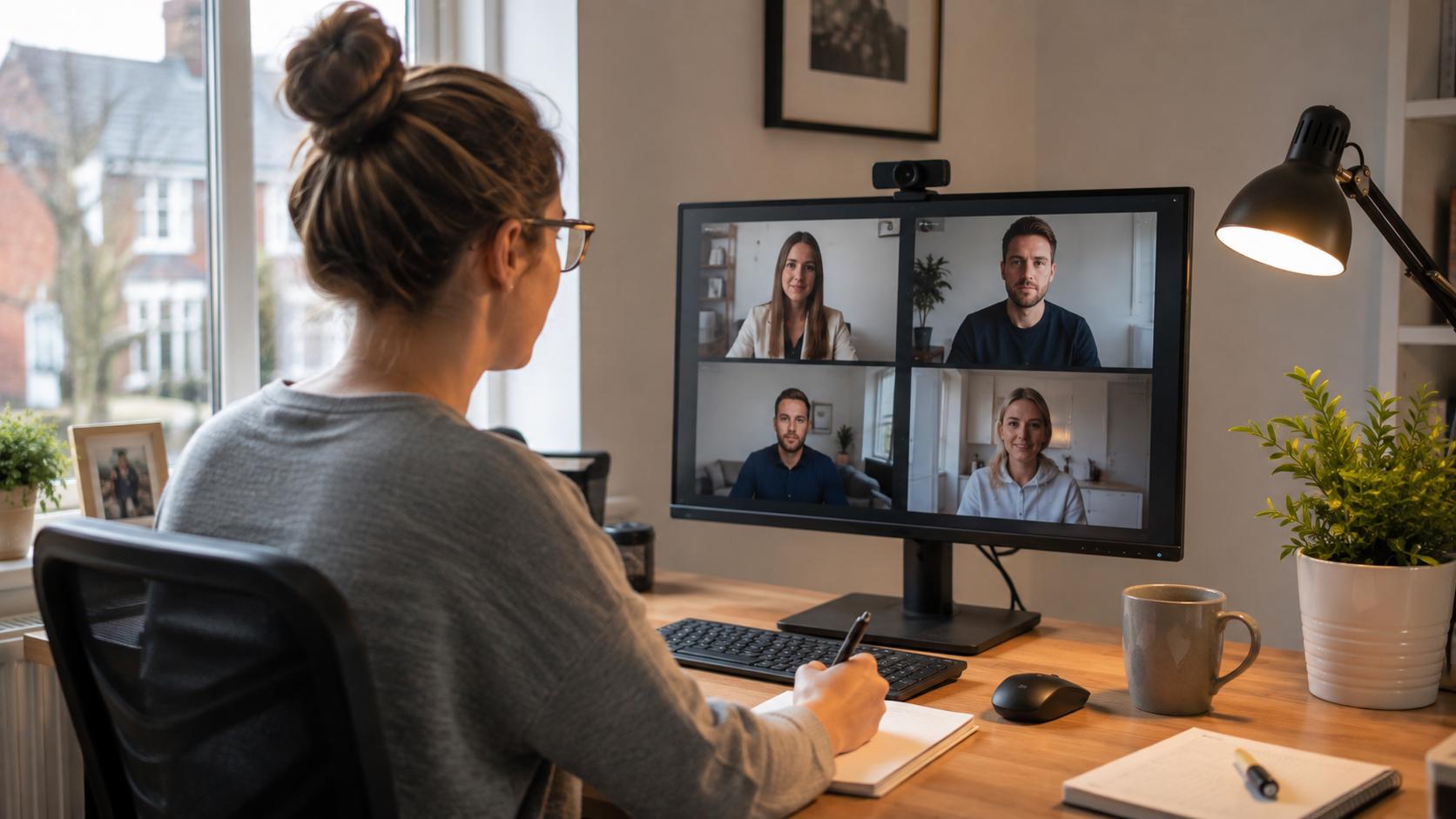
Video conferencing software sits at the centre of this shift, replacing what would once have been in-person meetings with virtual calls that can bring together colleagues, clients and teams spread across different offices, homes or even different countries, without anyone needing to travel. Reliable broadband and a decent webcam have quietly become essential home office equipment for a huge number of North East workers.
Cloud-based collaboration tools have proven similarly essential, allowing colleagues to work on shared documents, spreadsheets and project boards simultaneously regardless of physical location, replacing the older habit of emailing files back and forth and dealing with confusing, conflicting versions of the same document scattered across different inboxes.
Home broadband quality has become a genuinely significant factor in how effectively people can work remotely, with slower or less reliable connections in some rural parts of Northumberland and County Durham occasionally creating a noticeable gap between what is achievable for remote workers in well-connected urban areas compared with more rural parts of the wider region.
Cybersecurity considerations have grown substantially more important as a result of the shift toward remote work too, with employers increasingly needing to think carefully about how staff access company systems and data securely from home networks that are typically far less controlled than a traditional office IT environment.
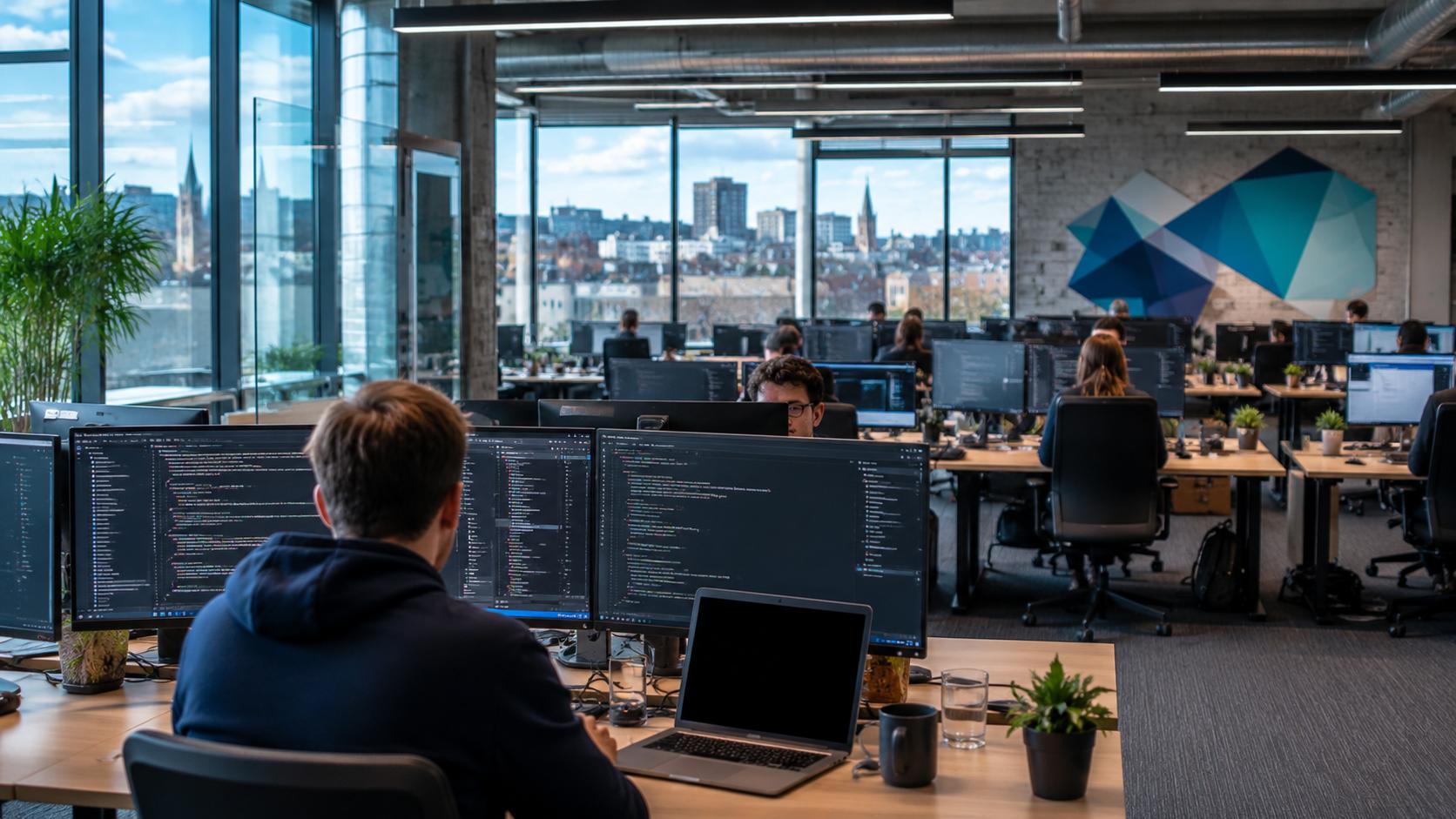
Co-working spaces have opened up across Newcastle and several surrounding towns in response to demand from remote workers seeking a more structured, professional environment outside the home, offering reliable internet, dedicated desk space and, for many, a valuable sense of separation between home life and working life that fully remote working can sometimes blur.
Employers across the region have had to adapt their own approach to management and communication considerably, moving away from purely in-person oversight toward tools that support asynchronous communication and clearer digital documentation of ongoing work, changes that many businesses now describe as a lasting improvement rather than simply a temporary pandemic-era adjustment.
Digital wellbeing has become a genuine talking point alongside these practical technology changes too, with many remote workers across the North East reporting that clearer boundaries around working hours, supported by simple tools like scheduled notifications and dedicated calendar blocking, have become just as important as any specific piece of collaboration software for maintaining a healthy, sustainable balance between work and home life.
Regional broadband investment has become increasingly tied to this wider remote working conversation too, with better connectivity across smaller North East towns and villages viewed by many local councils and business groups as a genuine economic opportunity, potentially allowing skilled workers to remain in the area rather than needing to relocate closer to a major office simply to access reliable working conditions.
Meeting fatigue has become a genuinely recognised downside of video-call-heavy remote work too, with many North East employers now actively encouraging shorter, more focused meetings and dedicated camera-off periods, a small but meaningful adjustment aimed at reducing the particular tiredness that comes from a working day spent almost entirely on screen rather than in person.
As hybrid and remote working continue to bed in as a long-term fixture of North East working life, the technology supporting it, video calls, cloud tools, secure remote access and reliable home broadband, looks set to remain just as essential to daily working life as a desk and a chair once were in a traditional office.
Share your views.
Do you prefer working remotely or from an office?
Tech News
The Rise of Remote Work Technology in the North East
Remote and hybrid working have reshaped how people across Newcastle and the North East use technology, from video calls to cloud collaboration tools.
Advertisement




Comments (0)
You must be logged in to post comments.
Don't have an account? Register here
No comments yet. Be the first to share your thoughts!